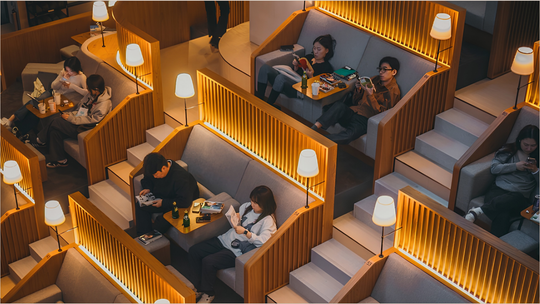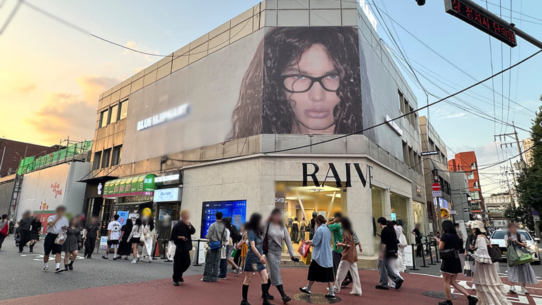





Korea offers global brands more than a source of emerging consumer trends. It is a market where product innovation, competitive pressure, cultural shifts, and retail developments can reveal how entire categories are evolving.
In beauty, fashion, wellness, and lifestyle, new ideas often extend beyond the categories where they first appear. A change in consumer expectations can influence product development, brand positioning, retail experiences, and the way businesses compete. For companies aiming to spot new opportunities or anticipate changes in their own markets, these cross-industry connections make Korea a critical market to analyze.
But following Korean trends is not the same as understanding the Korean market.
Effective market analysis looks beyond individual products or virality to examine the commercial conditions behind them. It considers which categories are developing, how brands are responding, what consumers value, where competition is intensifying, and which emerging behaviors may have wider relevance.
Korean market research can help turn these observations into actionable intelligence for product strategy, brand positioning, marketing, and business development for global businesses.
Why Global Brands Should Study the Korean Market
Korea is a competitive and fast-moving consumer market, particularly across beauty, fashion, wellness, and lifestyle. Brands operate in an environment where consumer expectations evolve quickly, product differentiation matters, and digital discovery and physical retail frequently interact.
This makes Korea a natural place to observe how products gain attention, how categories develop, and how brands respond to changing demand.
Studying Korea can help global businesses investigate several questions:
- Which consumer needs are gaining importance within a category?
- How are brands differentiating their products and positioning?
- Which emerging products, formats, and business models are attracting attention?
- How are retail platforms and shopping experiences changing?
- What developments could signal new opportunities in other markets?
Korea should not be treated as a direct substitute for research in a brand’s own target market. Consumer preferences, purchasing power, distribution, and cultural context all affect how opportunities develop. Its value lies in providing another perspective on market change and helping businesses identify developments worth investigating further.
How Korean Trends Cross Categories and Industries
One of the most valuable characteristics of the Korean market is the way trends can extend beyond the categories in which they first gain traction.
Beauty, fashion, wellness, lifestyle, and retail do not operate in isolation. They respond to overlapping consumer expectations, aesthetic preferences, cultural influences, and commercial developments. As a result, an emerging idea in one category can influence product concepts, brand positioning, or shopping experiences in another.
Consider the growing relationship between beauty and wellness. Interest in skin health can shape skincare product development while also influencing wellness routines, ingredient narratives, and consumer expectations around personal care. Aesthetic preferences that gain traction in beauty can influence fashion, accessories, packaging, and lifestyle products. Meanwhile, retail concepts that bring several categories together can change how consumers discover and evaluate brands.
These connections create opportunities that a narrow, category-specific analysis might overlook.
What those trends reveal about changing consumer expectations, how those expectations are appearing across industries, and whether they could create opportunities for products or services beyond the original category are variables to consider to understand what’s happening in the market.
Cross-category analysis can help businesses identify adjacent markets to investigate, explore new product directions, and understand the wider commercial implications of cultural and consumer shifts.
Korea as an Early-Signal Market for Global Trends
Korea can serve as a valuable early-signal market for global brands looking to identify emerging consumer behaviors, product concepts, and category developments.
Its competitive consumer industries, active digital culture, and evolving retail landscape offer several vantage points for observing change. A new product format might first gain traction within a particular consumer group, while a new retail concept can reveal shifting expectations around how people discover products. Likewise, a change in beauty preferences may ripple outward, influencing adjacent categories or prompting competing brands to respond.
Watching these developments over time can help businesses identify potential opportunities before their wider commercial significance becomes clear.
However, an early signal is no guarantee of mainstream or global adoption. Some trends stay local, and others fade once the initial curiosity wears off. Even those that do travel internationally often take on different forms, shaped by local consumer needs, cultural context, price expectations, and distribution.
What Korea offers is the chance to spot these signals early and judge how relevant they might become. Doing that well means looking beyond visibility alone: Is interest spreading across different consumer groups? Are multiple brands responding? Do product launches and retail activity support the trend? And does the underlying need exist in other markets?
Approached this way, Korea becomes a starting point for global businesses to identify trends worth monitoring, concepts worth testing, and market opportunities worth exploring further.
What to Examine When Analyzing the Korean Market
Understanding a market requires more than tracking popular products. The strongest insights come from combining several perspectives, which together reveal how a category is developing and where opportunities may lie.
1. Market and Category Developments
Every investigation starts with the category itself: its structure, key segments, emerging product areas, shifting business models, and the developments likely to shape future growth.
A category might be expanding into adjacent product types, drawing in new competitors, or splintering into more specialized consumer segments. Each of these shifts can open doors for businesses looking to refine an existing portfolio or explore a new product direction.
The aim is to pinpoint what is changing and which of those changes matter most to the business question at hand.
2. Competitive Landscape and Brand Positioning
How do brands compete, communicate value, and set their offerings apart? Answering that means looking closely at product portfolios, positioning, pricing, packaging, claims, distribution, retail presence, and new product activity.
This kind of review often shows where brands are converging around similar propositions, and where there is still room for meaningful differentiation. A clear view of the Korean competitive landscape can sharpen positioning decisions, guide product planning, and shed light on where a category may be heading.
3. Consumer Behavior and Changing Expectations
Behind every shift in demand are the needs, preferences, motivations, and purchasing habits of the people driving it.
Knowing which products are popular is only part of the picture. Research can also uncover why consumers choose certain offerings, what frustrates them, which benefits they value most, and how they discover and evaluate brands.
With this understanding, businesses are better placed to spot unmet needs, test product concepts, and recognize the expectations shaping a category. It can also explain why particular brands or formats are suddenly gaining attention.
4. Retail, Distribution, and Business Models
Where and how products reach consumers says a great deal about how businesses compete for attention.
Korea’s retail landscape is especially rich in this respect, spanning multi-brand platforms, specialist retailers, pop-ups, concept stores, department stores, and digital commerce. Key questions include how brands gain visibility, how assortments are curated, and how the shopping experience itself is changing.
Insights here can shape thinking on retail strategy, merchandising, distribution models, and fresh approaches to presenting products.
5. Product Innovation and Emerging Opportunities
New products are often the clearest signal of how businesses are responding to consumer needs and competitive pressure.
Areas of focus may include new formats, ingredients, technologies, packaging approaches, product benefits, or combinations of features that were once rare within a category.
Cataloguing new launches is not the goal. What matters is understanding what drives innovation, which needs remain underserved, and whether emerging approaches could inform future product development.
6. Cultural and Lifestyle Shifts
Some of the most far-reaching influences on demand come from outside any single industry.
Evolving aesthetics, routines, personal priorities, and social behavior can change how consumers define value, express identity, and engage with products. Because these shifts play out differently from one category to the next, it pays to examine exactly how they affect purchasing decisions and brand expectations.
Seen through this lens, emerging trends gain valuable context, and the links between consumer behavior and broader market developments become easier to see.
How to Assess Whether a Korean Trend Has Wider Commercial Potential
Not every popular product represents a lasting market opportunity. A trend may attract attention because it is new, visually distinctive, or amplified by social media, without generating sustained demand.
Before applying a Korean trend to a global business strategy, it is worth examining several factors.
Understand the underlying driver. What consumer need, cultural influence, or market condition is contributing to the trend? A recurring need may have wider relevance than interest driven primarily by novelty.
Look beyond a single signal. Is the trend visible only in online discussions, or is it also reflected in product launches, competitor activity, retail assortments, and consumer behavior? Multiple forms of evidence can provide a more complete picture.
Track how the market responds. Are other brands entering the category, adapting their offerings, or changing their positioning? The competitive response can help indicate whether a development is influencing broader market activity.
Examine cross-category influence. Is the behavior appearing in adjacent industries, or does it remain limited to one product type? Movement across categories can reveal broader shifts in consumer expectations, although it does not automatically establish future demand.
Consider international relevance. Does the underlying need exist in the markets the business serves? Differences in culture, pricing, product access, regulation, and consumer habits can affect whether a concept translates.
Connect the findings to a business decision. A trend may be commercially interesting without being relevant to every brand. Its value depends on the company’s audience, capabilities, category, positioning, and strategic priorities.
No single indicator can establish that a trend will become mainstream or global. Market research helps businesses evaluate the evidence, identify uncertainties, and decide which opportunities deserve further investigation.
How Global Brands Can Use Korean Market Research
Korean market research is most useful when it addresses a specific business question rather than simply producing a list of trends.
Depending on the objective, research can help global businesses:
- Identify market opportunities by examining category developments, emerging needs, competitive gaps, and adjacent markets.
- Inform product strategy by investigating product concepts, features, formats, and consumer expectations.
- Refine brand positioning by understanding how competitors communicate value and where differentiation may be possible.
- Strengthen marketing decisions by examining consumer motivations, discovery behavior, and the factors influencing brand consideration.
- Evaluate emerging trends by assessing their drivers, market traction, cross-category relevance, and potential application in other markets.
- Support business development by building a clearer picture of a market, category, or competitive landscape before committing resources.
The research approach should reflect the decision at hand. A focused investigation into a particular trend may be sufficient for one question, while evaluating a broader category opportunity may require a more extensive review of competitors, consumers, retail, and market developments.
Korean market findings should also be interpreted in the context of the business’s target markets. They can help identify hypotheses and opportunities, but further validation may be necessary before making significant product, marketing, or investment decisions.
Korean Market Research and Strategic Advisory by Siseon
Siseon is a Korea-based research and advisory consultancy helping global businesses understand developments across Korea’s beauty, fashion, wellness, and lifestyle markets.
Our work examines the market forces, consumer behaviors, competitive dynamics, cultural shifts, and emerging opportunities shaping these categories. We connect developments on the ground in Korea to the strategic questions facing businesses, helping teams assess what is changing, why it matters, and where further investigation may be valuable.
Research can focus on a specific trend, consumer question, category, competitive landscape, or broader market opportunity. The scope is tailored to the information a business needs and the decisions the findings are intended to support.
For businesses seeking a clearer understanding of Korea, Siseon provides research grounded in the local market and focused on practical commercial implications.
Explore our Korea Market Research services for broader market and consumer intelligence, or our Korean Beauty Market Research services for beauty-specific research.
Frequently Asked Questions
What is Korean market research?
Korean market research examines the market conditions, category developments, competitive landscape, consumer behavior, and emerging opportunities shaping South Korea. Depending on the objective, it may focus on a specific industry, consumer group, trend, or business question.
Why should global brands analyze the Korean market?
Developments across Korea’s consumer categories, including beauty, fashion, wellness, and lifestyle, often offer early signals of broader change. Research can help global brands understand changing market dynamics, identify emerging needs, evaluate competitors, and investigate opportunities that may be relevant to their own markets.
Can Korean trends predict global trends?
Korean trends can provide early signals of developments that may gain wider attention, but they cannot reliably predict global adoption on their own. Their potential depends on the underlying consumer need, competitive response, cultural context, and conditions in other markets. Research can help businesses assess which signals warrant further attention.
Why do Korean trends often influence multiple industries?
Categories such as beauty, fashion, wellness, and lifestyle respond to overlapping consumer expectations, aesthetics, and cultural influences. As a result, developments in one category can inspire new products, positioning, and retail concepts in another. The extent of that influence varies by trend and category.
What is the difference between market research and consumer research?
Market research examines the broader commercial environment, including categories, competitors, brands, retail, and market opportunities. Consumer research focuses more specifically on people’s needs, preferences, motivations, and purchasing behavior. The two complement each other: consumer insights help explain demand, while market analysis places that demand within its competitive and commercial context.
What industries does Siseon cover?
Siseon focuses on Korea’s beauty, fashion, wellness, and lifestyle markets. Research can examine individual categories or connections between them, depending on the business question and project scope.
How can a global brand work with Siseon?
Global businesses can contact Siseon with a specific research question, category of interest, or strategic challenge. We can discuss the objective and recommend a suitable research scope based on the information needed.
Looking to understand the Korean market and identify your next opportunity?
Explore Siseon’s Research & Advisory services or contact us to discuss your research needs.