

Beyond the Bare-Face Standard
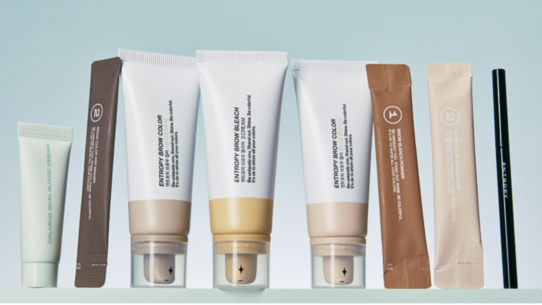
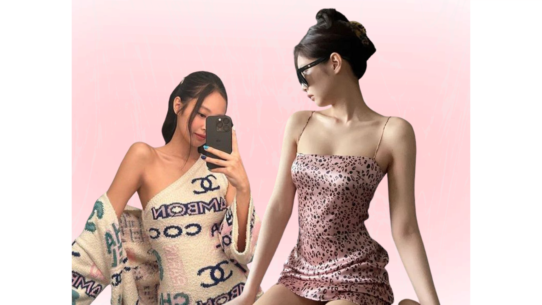
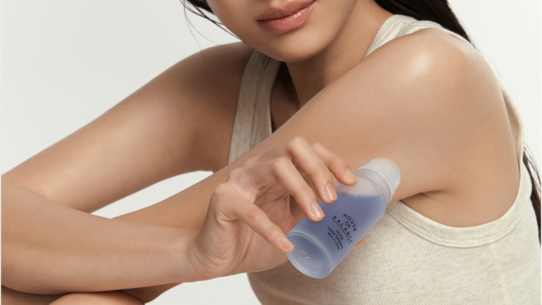
Korean indie makeup is experiencing a quiet but significant reorientation. A distinct cohort of newer Korean color cosmetics brands is developing an aesthetic identity that sits well outside mainstream K-beauty, built on a strong point of view, unusual packaging, and colors that don’t exist in most Korean brand catalogues.
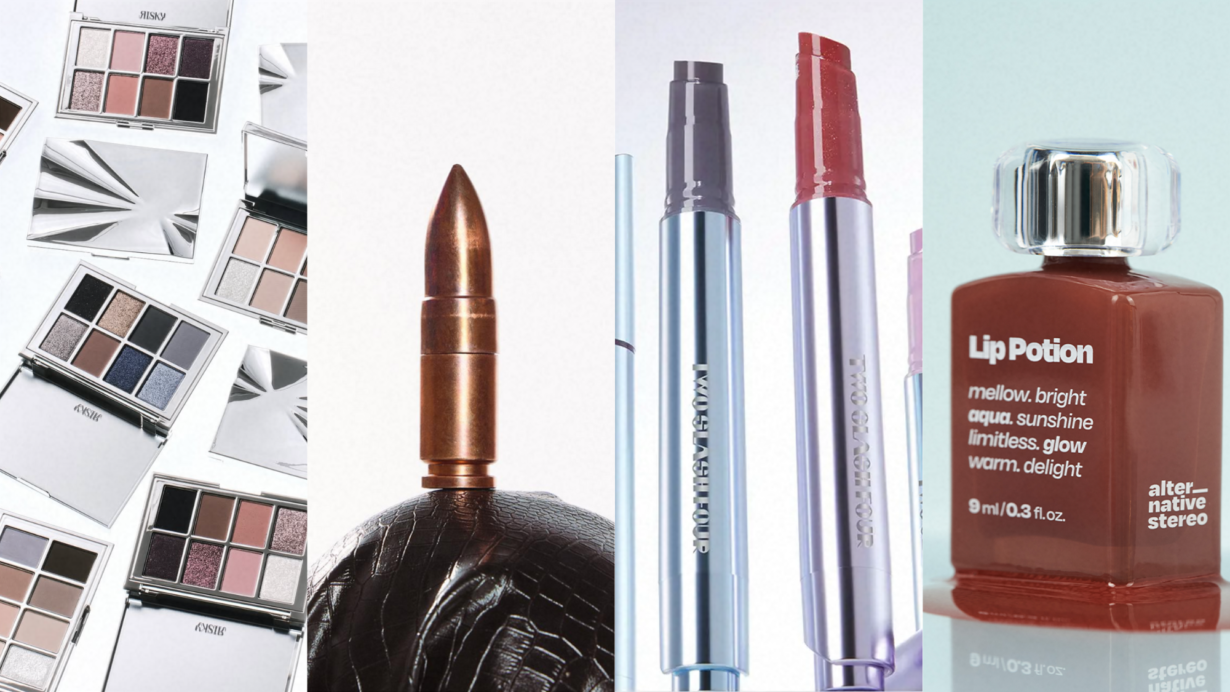
Risky Beauty, Cheriexx, Alternative Stereo, and Two Slash Four represent four different bets on where Korean makeup culture is heading. Their visual worlds each occupy a distinct lane, but beneath different aesthetics they share a common set of convictions. Each builds a strong brand narrative, targets a consumer who views makeup as self-expression rather than skin enhancement, and leverages distribution strategies designed specifically for the current Korean beauty infrastructure.
For brands, buyers, and investors watching the K-beauty space, these four labels are worth understanding now.
The Rejection of Effortless Beauty
Korea’s color makeup market has been growing sharply. According to Olive Young’s internal reporting, color cosmetics sales on its platform grew roughly 50% year-on-year in 2023, significantly outpacing the overall Korean beauty market growth rate of 11.4% that year. In its 2024 trend analysis, Olive Young named Vibe Curation as the defining color makeup trend, framing it around changing your makeup with your mood rather than committing to one look. That framing is telling, repositioning color cosmetics as an fluid, expressive, and deeply personal routine.
That shift in consumer framing has created room for a new kind of Korean makeup brand. Not the kind that competes with Romand on tint shade range. Not the kind that positions itself as accessible skincare’s natural companion. Something more editorial, more identity-driven, and in some cases more confrontational.
That last word matters. Korea’s indie beauty market is large and crowded. Olive Young currently lists hundreds of independent brands, and most compete on familiar terrain through better tint formulas, new cushion shade ranges, more accessible brow pencils. This wave is doing something different. Risky Beauty reaches for saturated pigments and desaturated, bruised-toned hues that sit well outside the warm-nude palette that dominates Korean color makeup. Cheriexx sells a lipstick shaped like a bullet. Alternative Stereo packages its products in formats that evoke analog cassette aesthetics. Two Slash Four builds its entire brand architecture around a single creator’s point of view. These aren’t incremental product improvements. They’re positions, and positions of a kind that are genuinely unusual in the Korean color cosmetics market.
Risky Beauty, Cheriexx, Alternative Stereo, and Two Slash Four each entered this opening from a different angle. Beneath different aesthetics, they all challenge the market to consider what Korean makeup looks like when it stops trying to disappear.
The Architecture Behind the New Wave
Three forces are worth examining separately, because they operate in different layers of the market.
The Exhaustion of the “No-Makeup Makeup” Standard
Korean beauty culture has long elevated the ideal of “꾸안꾸” (kku-an-kku): the studied effortlessness of looking naturally beautiful without appearing to have tried. Gradient lips, softly defined eyes, the understated. The aesthetic is genuinely appealing. It’s also become a fairly narrow lane.
Younger Korean consumers, particularly those in their early twenties who came of age watching global beauty subcultures collide on TikTok and Instagram, have started seeking what that classic aesthetic fails to deliver, namely the permission to look deliberate, dramatic, or strange. The international visibility of graphic liner, Y2K references, and maximalist looks created an appetite that conventional K-beauty brands were slow to address. When they did attempt to cater to it, their identities, built around natural enhancement and effortless beauty ideals, didn’t resonate with a consumer who actively wants to look like they tried. That gap is now being filled domestically, by brands that were built for this audience from the start.
The Infrastructure to Support Micro-Brands at Launch
One of the less-discussed advantages of building a beauty brand in Korea right now is how fast it’s become to get from concept to shelf. Korea’s ODM (original design manufacturing) infrastructure, led by companies like Kolmar Korea and Cosmax, means that a well-funded small team can produce high-quality formulations without building production in-house. The Olive Young ecosystem functions as both a retail partner and a brand incubator, actively seeking to surface new labels. W Concept and Musinsa provide additional discovery channels for brands with strong aesthetics and younger target audiences.
Risky Beauty launched in September 2024 and reported reaching 1 billion won in cumulative revenue within its first year, a trajectory that would have required a very different set of capital and distribution relationships even five years ago. Two Slash Four reached its breakeven point within twelve months of founding, with 78% of its 2023 revenue flowing through its own direct website rather than wholesale channels.
The Creator Economy as a Brand Engine
Two Slash Four represents the most explicit example of a trend running quietly through the others, namely building a brand on the credibility of a known face rather than a traditional product promise.
Risabae, the founder and CEO of Two Slash Four, has over 2.68 million YouTube subscribers and more than 1.3 million on Instagram. Before her creator career, she worked as a professional makeup artist for celebrities at major Korean broadcast networks and as head stylist at a Cheongdam-dong makeup studio, credentials that give her product opinions a different weight than the average beauty influencer. Her brand was incubated through Amorepacific’s internal LeanStartup program before spinning off as an independent company around a very clear commercial logic. Because Risabae had already cultivated deep audience trust in her technical expertise, Two Slash Four offered a direct path to monetize that authority at retail.
The brand name itself encodes the founder relationship, leaning on numerical wordplay that spells out Risabae in Korean. That direct connection translated instantly into sales, driving over 100 million won in single-day revenue for the Glaze Lip Changer on Naver Shopping Live and taking the number one beauty spot on 29CM during the launch week of the All Over Face Blush.
Not all four brands use creator DNA as loudly as Two Slash Four. But all of them understand that the initial awareness problem in today’s Korean indie beauty landscape is solved through content and community, not advertising in the traditional sense.
Four Manifestos for a Changed Market
Each brand tells a different part of the story, and it’s worth mapping them.
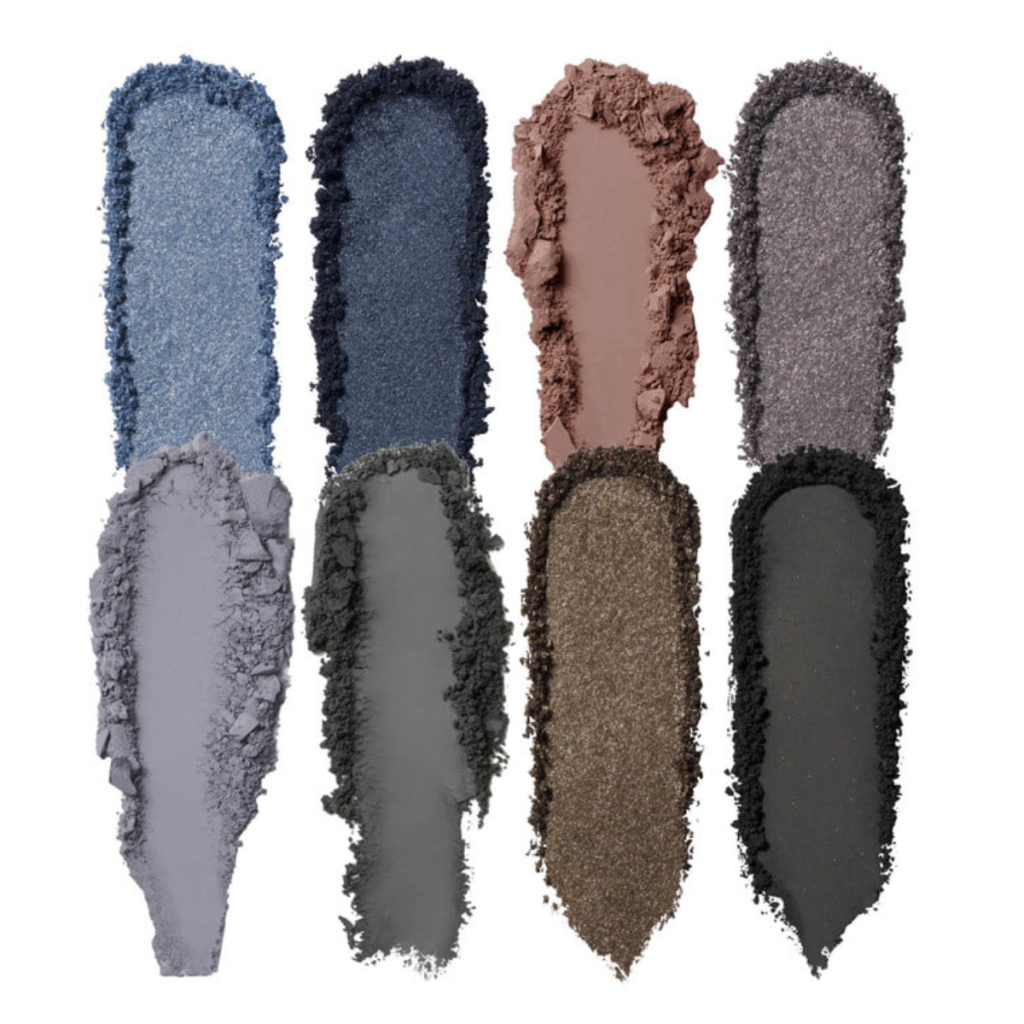
Risky Beauty is the most explicitly counter-cultural of the four. Its tagline, “Risk the Rules, Revamp the Boldness,” positions makeup as an act of defiance rather than enhancement. Its Pigment Eyeshadow Palettes lean into saturated, high-payoff color in ranges from soft smoky to deep dusty blue. Its Be Bold Lip Glosses come in shades with deliberately odd, personality-forward names: Grumpy, Hissy Fit, Mumbly, Floyd. The brand launched in September 2024 and is already stocked on Olive Young and running an English-language international store, with global ambitions telegraphed from the very beginning.
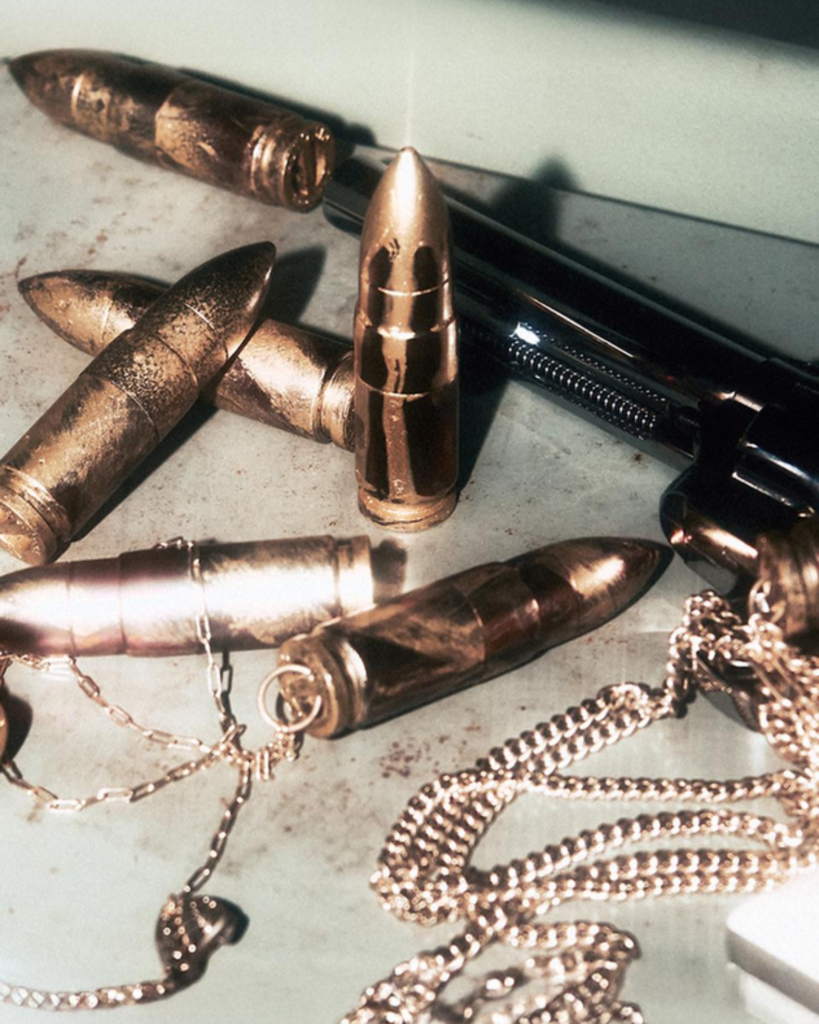
Cheriexx is the most conceptually ambitious. The brand describes itself as exploring “a unique elegance found within the cracks,” and positions its products not just as cosmetics but as “highly refined, sensorial objects.” Its signature item, The Bullet Sheer Rouge, is a lipstick with packaging designed to evoke a literal bullet. The aesthetic is dark, literary, and deliberately uncomfortable in the way that serious conceptual fashion brands often are. Its “Fever Dream” collection found significant organic traction on international TikTok. The brand has 26,000 Instagram followers, smaller than its peers but with the kind of engaged, aesthetically specific community that tends to drive genuine brand loyalty rather than one-time purchases.
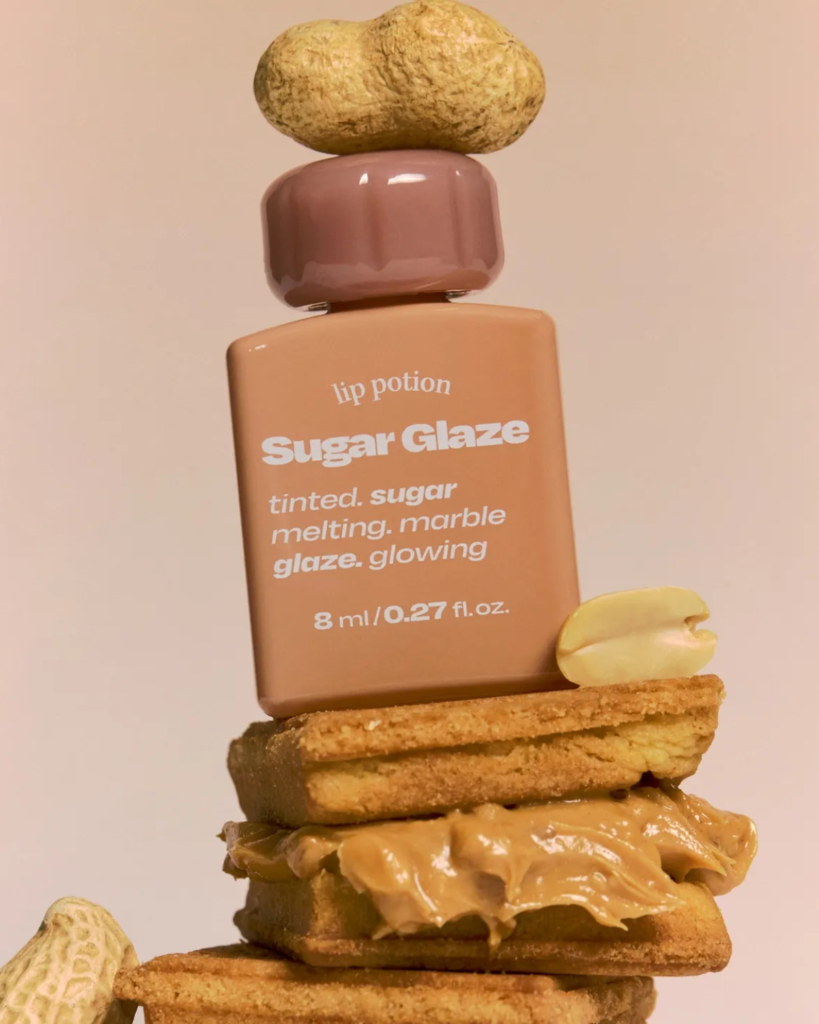
Alternative Stereo occupies a different register entirely, building a world around analog nostalgia through vintage cassette textures, warm color tones, and the aesthetic sensibility of early-2000s indie music. Its Lip Potion line and Acoustic Matte Balm draw on music-themed naming in a way that feels considered rather than decorative. With 57,000 Instagram followers and listings across Olive Young, Musinsa, and W Concept, it has wider distribution than its peers and arguably broader consumer accessibility.
What makes its traction notable is how organically it spreads. Korean beauty influencers frequently feature the brand’s lip line in tutorial staples like full-range swatch videos, shade comparisons across the entire Lip Potion collection, and routine content where the products show up as genuine go-to picks rather than sponsored posts. That kind of earned presence in creator content is harder to manufacture than a paid campaign and tends to be more durable. It signals a brand that has earned real loyalty rather than bought it.
Two Slash Four is the most commercially mature, by some distance. Its 2025 revenue reached approximately 5.8 billion won, more than doubling its 2024 figure following expansion into 440 Olive Young stores. It has secured Pre-Series A investment from Korea Investment Partners, Amorepacific Group, We Ventures, and TBT Partners. The brand calls itself a “Co-Creative Beauty Brand,” with a philosophy built around accessibility and tutorials, and QR codes on packaging linking directly to Risabae’s how-to videos. The commercial results are real; the profitability challenge is also real. Its 2025 operating loss widened to approximately 1.56 billion won as aggressive channel expansion and significant advertising spend outpaced revenue growth. It’s the classic indie-to-scale dilemma playing out publicly.
Why World-Building Rewrites the Playbook
For international brands and buyers, these four labels collectively illuminate a structural shift in what Korean consumers are willing to try.
The previous generation of Korean indie makeup brands succeeded largely by mastering conventional K-beauty formats like better tints, softer cushion foundations, and more flattering brow products. Where earlier brands let the formulas do all the talking, this new wave is building entire worlds rather than standalone products. Each brand offers a distinct aesthetic identity, a philosophy, and sometimes a subculture, giving consumers something to identify with rather than just something to apply.
The distinction matters commercially. Consumers who buy into a brand’s world don’t just repurchase; they recruit. They explain the brand to their friends. They produce organic content without being asked. While these four brands are still early enough that their long-term scale remains untested, indicators like Cheriexx’s organic international TikTok traction, Alternative Stereo’s unsolicited swatch coverage, and Risky Beauty’s day-one international store launch all suggest that identity-led Korean makeup brands travel across borders in ways product-led brands rarely manage.
Community-first brands that attract consumers with high aesthetic investment also tend to be more defensible over time. They are harder to out-price and harder to copy, because the identity they sell isn’t replicable the way a formula is.
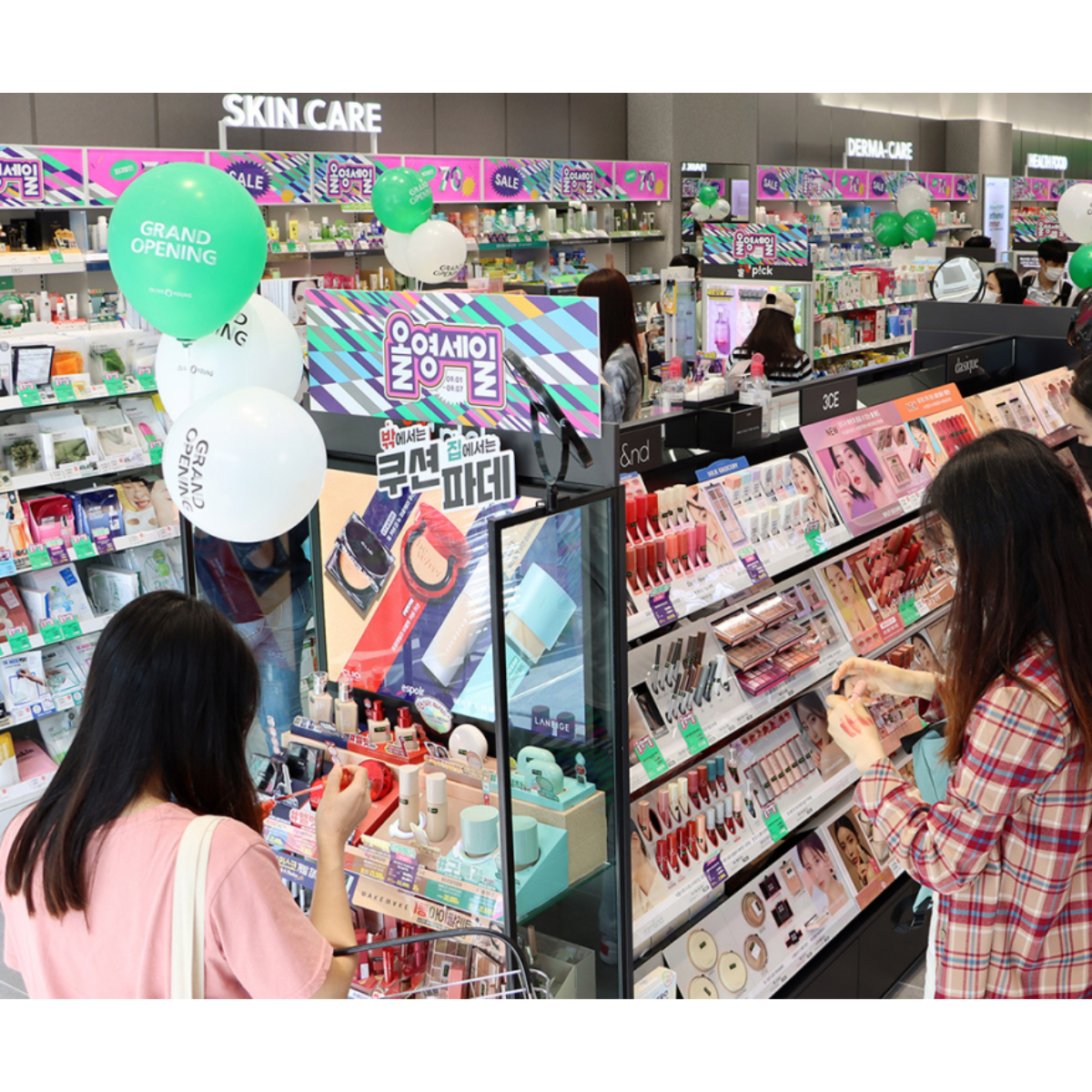
For Olive Young, the K-beauty platform with arguably the most influence over which indie brands reach commercial scale, the 2025 awards showed that 75% of category winners across 40 divisions were indie brands. That’s not charity toward small players. It’s the market reflecting genuine consumer preference. The platform is powerful partly because it accurately mirrors what Korean consumers are actually buying.
The caution for brands investing in this space lies in the Two Slash Four scenario, where rapid top-line growth funded by heavy ad spend delays the moment a creator-led brand proves it can sustain loyalty without paid media. The fundamental question for all four brands is whether the world they’ve built is sticky enough to survive the transition from discovery to habit.
The Test of Longevity
The next twelve months will be revealing for all four brands in different ways.
Risky Beauty’s early revenue milestone suggests genuine product traction, but the brand is early enough that its path to meaningful scale is still being written. Watch for its international distribution strategy and whether it builds an off-Korea community through platforms like TikTok Shop.
Cheriexx has the strongest international aesthetic pull of the four but the most work to do on distribution accessibility. Its products are available through DODOSKIN and W Concept globally, but the brand’s narrative-first approach requires the right retail context. If it finds the right multi-brand partner internationally, think a Cos Bar, a Space NK, or an SSENSE beauty expansion, the concept could land powerfully.
Alternative Stereo has the most comfortable domestic position. Its vintage analog aesthetic is durable in a way that trend-dependent brands aren’t. The question is whether it builds a strong enough content identity to travel.
Two Slash Four’s 2025 financial data offers the clearest signal for the entire category, demonstrating that creator-to-brand models work rapidly in Korea, even as their cost structures demand close scrutiny. Whether the brand reaches sustainable profitability in 2026 will heavily influence investor appetite for similar creator-led ventures across color cosmetics.
Taken together, these four brands suggest that the next significant wave of K-beauty exports won’t look like the last one. Less skincare minimalism, more makeup with a point of view.
Looking at Your Brand Strategy
Uncovering the hidden signals in Korean consumer culture requires looking past surface-level trends. If you are exploring how Korean market shifts, consumer behavior, and category movements can open new opportunities for your business, Siseon works with global teams to turn these observations into strategic advantage.
To discuss custom research, field intelligence, or strategic advisory for your team, connect with us directly at hello@siseonhq.com or fill out the contact form.
Sources
- 코공고 (Cogonggo) — RISKY 채용 페이지 (company background, revenue milestone): https://www.cogonggo.co/company/risky
- RISKY Beauty official store: https://en.riskybeauty.com/
- W Concept — Cheriexx brand description: https://www.wconcept.com/brand/cheriexx/12216.html
- Alternative Stereo official store: https://alternativestereo.com/
- Alternative Stereo on Musinsa: https://www.musinsa.com/brand/alternativestereo
- 아주경제 — “이사배 투슬래시포 대표” (founder interview, brand origin story, Amorepacific LeanStartup): https://www.ajunews.com/view/20230221075138510
- 뉴스와이어 — “투슬래시포 프리시리즈A 투자 유치” (Pre-Series A investment details): https://www.newswire.co.kr/newsRead.php?no=994167
- News Epoch — “투슬래시포 2025년 외형 성장에도 짙어진 적자” (2025 revenue and loss data): https://newsepoch.co.kr/news/2026040800004
- CJ Olive Young — “2024 Olive Young Impact Report” (indie brand ecosystem, color makeup market): https://contents.cj.net/esg/report/KR/2024%20OLIVE%20YOUNG%20IMPACT%20REPORT_Web.pdf
- Olive Young — “2025 올리브영 어워즈” (2025 awards, indie brand dominance): https://corp.oliveyoung.com/ko/news/88
- The K Beauty Science — “2024 올리브영 색조 트렌드 바이브 큐레이션” (Vibe Curation trend, 50% color makeup growth): https://www.thekbs.co.kr/news/curationView.html?idxno=11993
- Tenant News — “2025년 뷰티시장 인디브랜드 성장 지속” (indie brand market analysis): https://tnnews.co.kr/archives/221816