


Traditional Korean medicine is undergoing a contemporary design transformation. From acupuncture socks trending across social media to clinics pairing needle treatments with sound baths and meditation, herbal remedies are being rebranded in sleek, minimal packaging designed to fit seamlessly in modern Korean lifestyles.
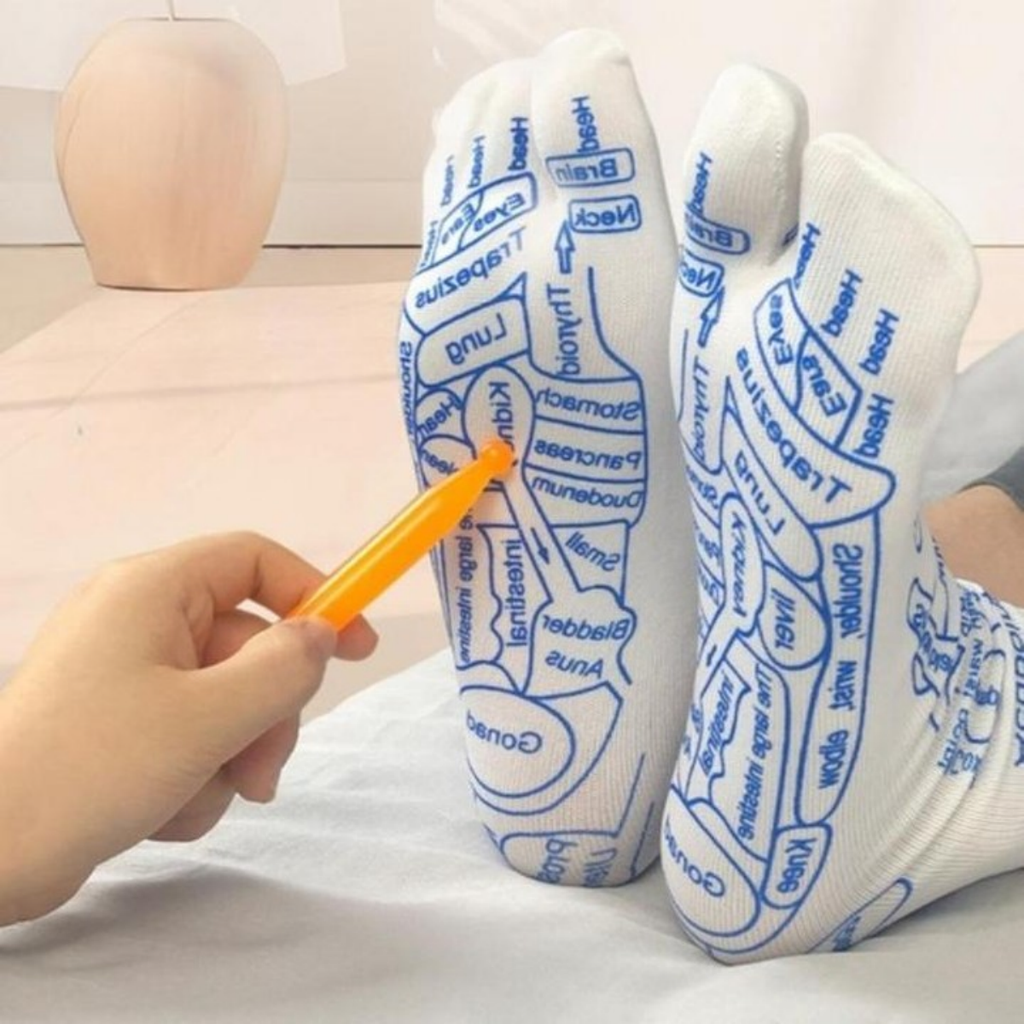
Image: CJ Onstyle
It is tempting to call this a revival, but hanbang, traditional Korean medicine, never left Korean life. Younger consumers are encountering acupuncture, herbal medicine, moxibustion, and Korean medicine clinics alongside the wellness categories they already spend money on, from head spas and saunas to pilates, yoga, recovery treatments, and meditation.
For any brand sitting on heritage of its own, the way Korea is handling this deserves a close look.
When Hanbang Becomes Wellness
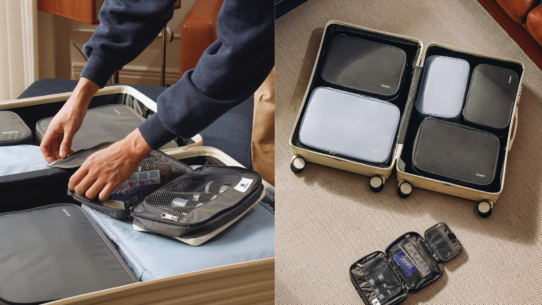
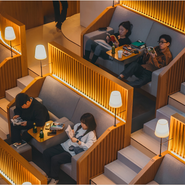
The integration of hanbang into the Korean wellness market marks a shift in how younger demographics approach historical health practices. Across Korea’s most aesthetic wellness sanctuaries, ancient hanbang rituals like moxibustion and acupuncture are becoming the ultimate status symbols for a new generation of self-care enthusiasts. Young consumers seeking respite from burnout are bringing these centuries-old practices directly into their weekly routines, sitting alongside cold plunges, sound baths, and medspa appointments.

Image: Sunway TCM Centre
Wellness has now become an entry point for practices that once felt medical, old-fashioned, or tied to older age groups. Framed as self-care, acupuncture or a moxibustion session no longer needs justification to feel relevant.
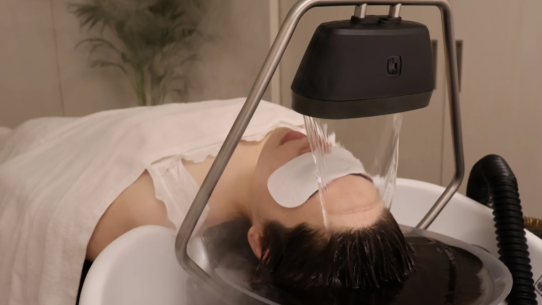
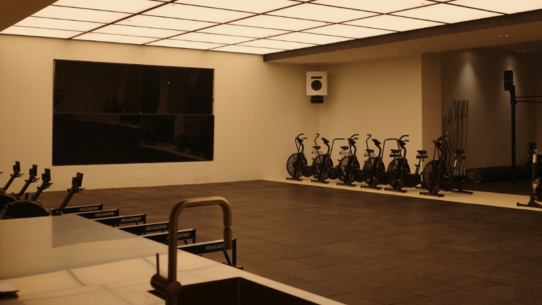
But don’t think that younger consumers have completely traded conventional healthcare for tradition. Hanbang is joining a routine that includes the gym, the sauna, and the dermatologist, and it earns its place by being one more way to feel better. This pattern is seen through head spas which turned scalp care into a holistic treatment session and cold plunges and recovery studios that made discomfort part of a deliberate ritual.
By curating sophisticated, modern spaces around treatment, traditional Korean medicine seamlessly aligns with the expectations of the lifestyle consumer.
The Modernized Hanuiwon
Tucked away in Bukchon’s historic hanok village, a new wave of Korean medical clinics is turning traditional doctor visits into luxurious, mind-body escapes.
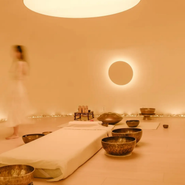
At Woojooyon Clinic, patients enter into a restored hanok that blends traditional healing techniques with modern sensory relaxation. The clinic offers acupuncture and individually prescribed herbal medicine, while its broader wellness programs include lymphatic care, meditation, and singing bowl sound baths.
At Woojooyon Clinic, traditional Korean medicine is combined with contemporary wellness experiences, creating a more lifestyle-oriented setting for treatments such as acupuncture and herbal medicine.
The strategic integration of globally recognized treatments expands the clinic’s reach. Sound baths sits outside classical hanbang, but incorporating this widely acknowledged ritual opens a gateway to traditional Korean medicine, bridging a gap between new age and old traditions.
The traditional hanok architecture also adds to the historic healing journey. The architecture reinforces the Korean identity of the experience, while the wellness programming makes the space feel relevant to a consumer looking for rest, recovery, or personal care.
Herbal Medicine Becomes a Daily Product
Modern wellness brands are moving traditional Korean medicine out of doctor clinics and onto retail shelves. Instead of bitter drinks in medical pouches, brands like VYNEHERB package age-old formulas into convenient and portable packaging to use on-the-go.
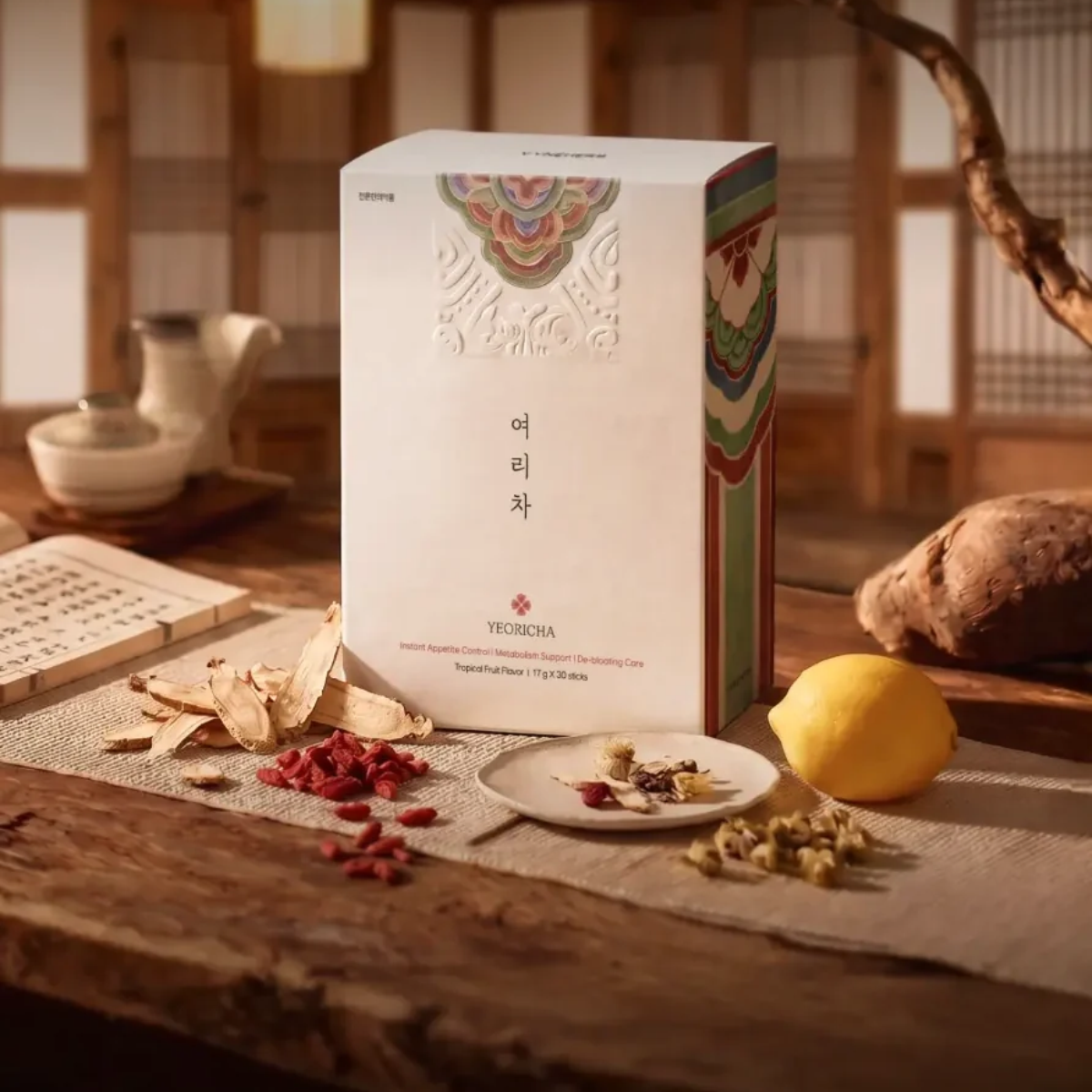
Image: VYNEHERB
This change opens big opportunities in crowded markets like Sleep, stress, digestion, recovery, women’s wellness, and beauty. Korean herbal formulas offer unique plant ingredients, practices, and cultural associations that competitors cannot easily replicate.
However, faster adoption requires making traditional knowledge easier to encounter in formats that suit modern routines. Even inside medical clinics, patients prefer convenience. A 2024 study of 318 international patients in Seoul showed that over half got herbal prescriptions, with easy-to-swallow pills beating traditional liquid broths two to one.
Reclaiming Heritage Through Modern Culture
Korea’s embrace of traditional medicine fits into a broader shift in how the country views its own past. Contemporary dessert shops now serve traditional confections, modern fashion incorporates hanbok details, and interior designers use traditional Korean materials and motifs. Jade jewelry, temple visits, fortune-telling, and heritage goods are finding enthusiastic new audiences with the younger generation.
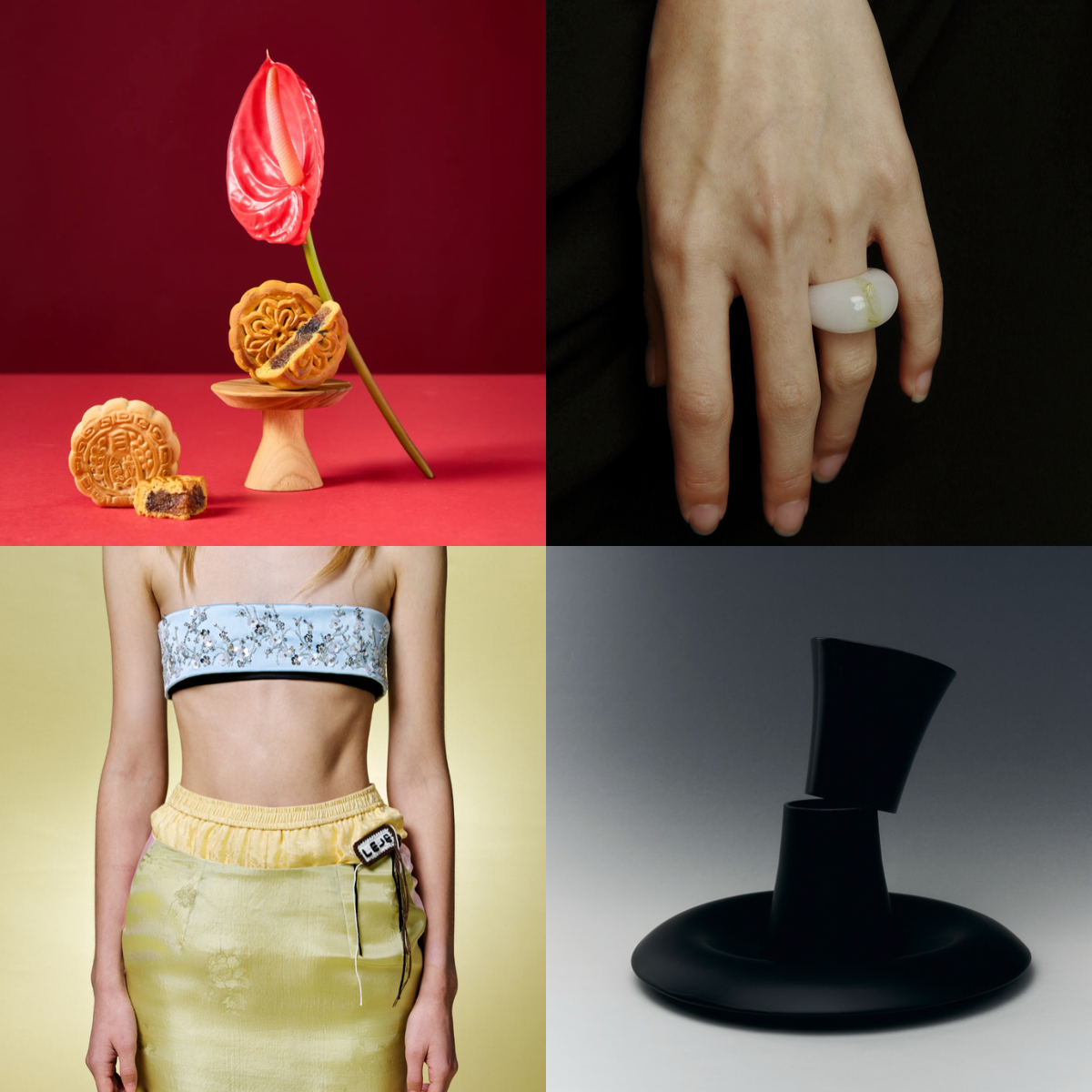
Image: Hwakwabang, Yuwa, LEJE, GOTAE
Global visibility drove much of this change. As K-pop, food, beauty, and entertainment gained international success, younger Koreans developed a pride in their cultural roots. Traditions that once felt old-fashioned or routine are gaining new life through a modern lens.
This trend—often called “hip tradition”—shows that heritage assets can be modernized without losing their core appeal. Brands can adapt tradition into wearable products, foods, interior design, and immersive retail experiences. Hanbang holds a distinct advantage within this market because it offers a direct bodily experience rather than just surface styling.
Beauty as a Gateway to Traditional Medicine
Korean beauty creates a secondary entry point for traditional health practices. Aesthetic treatments like facial acupuncture and herbal skin care sit directly at the intersection of cosmetics and healthcare, offering consumers a familiar path into Korean medicine.
Facial acupuncture sits at the intersection of Korean beauty and traditional medicine, creating another entry point for consumers already familiar with Korea’s increasingly sophisticated beauty and wellness culture.
Younger consumers accustomed to multi-step skincare routines and clinic procedures draw little distinction between beauty and medical wellness. This crossover lets professionals adopt the language of skin health and self-care without sacrificing their clinical foundations. Not only does this appeal to Korean consumers, it also makes traditional treatments attractive to international visitors who want modern results alongside authentic cultural experiences.
Expanding the Foreign Patient Profile
Korea’s medical tourism industry is no longer defined only by cosmetic procedures. The country welcomed roughly 2.01 million foreign patients from 201 nations in 2025, more than double the volume from 2024. While traditional Korean medicine represents a smaller market share, international visitors increasingly seek out acupuncture, herbal prescriptions, and musculoskeletal therapies.
The 2024 Seoul clinic study details this shifting consumer demographic. Among 318 foreign outpatients from 51 nations, individuals aged 20 to 39 formed the largest patient segment. More than half received herbal medicine, and acupuncture and moxibustion accounted for most treatment departments. This demographic contrasts sharply with historical patterns of traditional medicine serving predominantly older domestic patients.
This signals a major cross-industry opportunity. International consumers aren’t necessarily traveling to Korea for traditional healthcare—they are encountering hanbang through K-beauty, wellness retreats, and tourism, drawn to unique sensory and cultural practices they can’t access at home.
A Global Wellness Category in the Making
The international scaling of hanbang highlights a strategic blueprint for commercializing traditional health in Western markets. In major cities like New York and Los Angeles, Korean acupuncture, targeted herbal remedies, and facial rejuvenation procedures are moving past community-specific clinics to capture a broad integrative wellness audience.
The core opportunity extends far beyond exporting traditional medicine as a rigid clinical system. Instead, hanbang travels seamlessly across accessible consumer touchpoints—ranging from facial acupuncture and packaged botanical supplements to aesthetic skincare, medical tourism, and design-forward wellness sanctuaries.
This transition connects hanbang directly to the broader momentum of contemporary Korean lifestyle culture. Across food, fashion, and beauty, Korea excels at reinterpreting heritage elements for modern daily life. Traditional Korean medicine follows this exact path. It does not need to dilute its core principles to feel modern, but simply requires contemporary spaces where today’s consumers can naturally recognize its value.
Looking at Your Brand Strategy
Uncovering the hidden signals in Korean consumer culture requires looking past surface-level trends. If you are exploring how Korean market shifts, consumer behavior, and category movements can open new opportunities for your business, Siseon works with global teams to turn these observations into strategic advantage.
To discuss custom research, field intelligence, or strategic advisory for your team, connect with us directly at hello@siseonhq.com or fill out the contact form.
Sources
- Korean Medicine Utilization Survey 2024 — National Institute for Korean Medicine Development 2024 Korean Medicine Utilization Survey
- Research on ways to attract foreign patients to a Korean medicine clinic — Frontiers in Medicine Foreign Patients at a Korean Medicine Clinic in Seoul
- Medical Korea — Foreign Patient Statistics Medical Korea Global Statistics
- Ministry of Health and Welfare — Foreign Patients Surpass 2 Million in 2025 Korea.net Press Release
- Woojooyon Clinic Woojooyon Clinic
- VYNEHERB — Yeoricha VYNEHERB Yeoricha
- Medical Korea — “Beyond Botox: S. Korea’s traditional medicine gains ground among tourists” Medical Korea Latest News
- One Ounce Herbology — New York One Ounce Herbology
- The Chaum — New York The Chaum Acupuncture & Herbal Medicine
- Raah Acupuncture — Los Angeles Raah Acupuncture
- YUNTHERAPY — Los Angeles YUNTHERAPY
- Kyung Hee Acupuncture & Herbs — Los Angeles Kyung Hee Acupuncture & Herbs