



A New Take on Fortune
Fortune-telling in Korea is officially stepping out of dark back alleyways and straight into the pop-culture spotlight. Tarot sessions are turning into viral celebrity YouTube videos, modern mudang shamans are starring on hit TV shows, and past-life regressions share feed space with beauty tutorials and café vlogs. At the same time, young trendsetters are swapping outdated lucky talismans for sleek, redesigned accessories that double as wearable, collectible and giftable lifestyle items.
In a country where flawless skincare, sleek fitness routines, and cutting-edge beauty treatments are second nature, looking good is no longer enough. Young Koreans are now looking inward, using saju chart readings and tarot cards as stylish tools for self-discovery and personal identity. Packed with striking visual codes and deep cultural roots, these ancient traditions are proving remarkably easy to turn into viral social content and covetable lifestyle products.
Fortune As Entertainment
Korean entertainment’s fixation with the supernatural isn’t new, but its recent cultural saturation is exceptional. What was once confined to niche folklore or late-night horror has expanded into a dominant mainstream narrative spanning both blockbuster studios and creator platforms.
Films such as Exhuma helped bring shamanism to a huge audience, while SBS’s Possessed Love placed fortune tellers and mudangs inside a dating-show format. Disney+’s Battle of Fates exported Korean divination concepts to global streaming audiences.
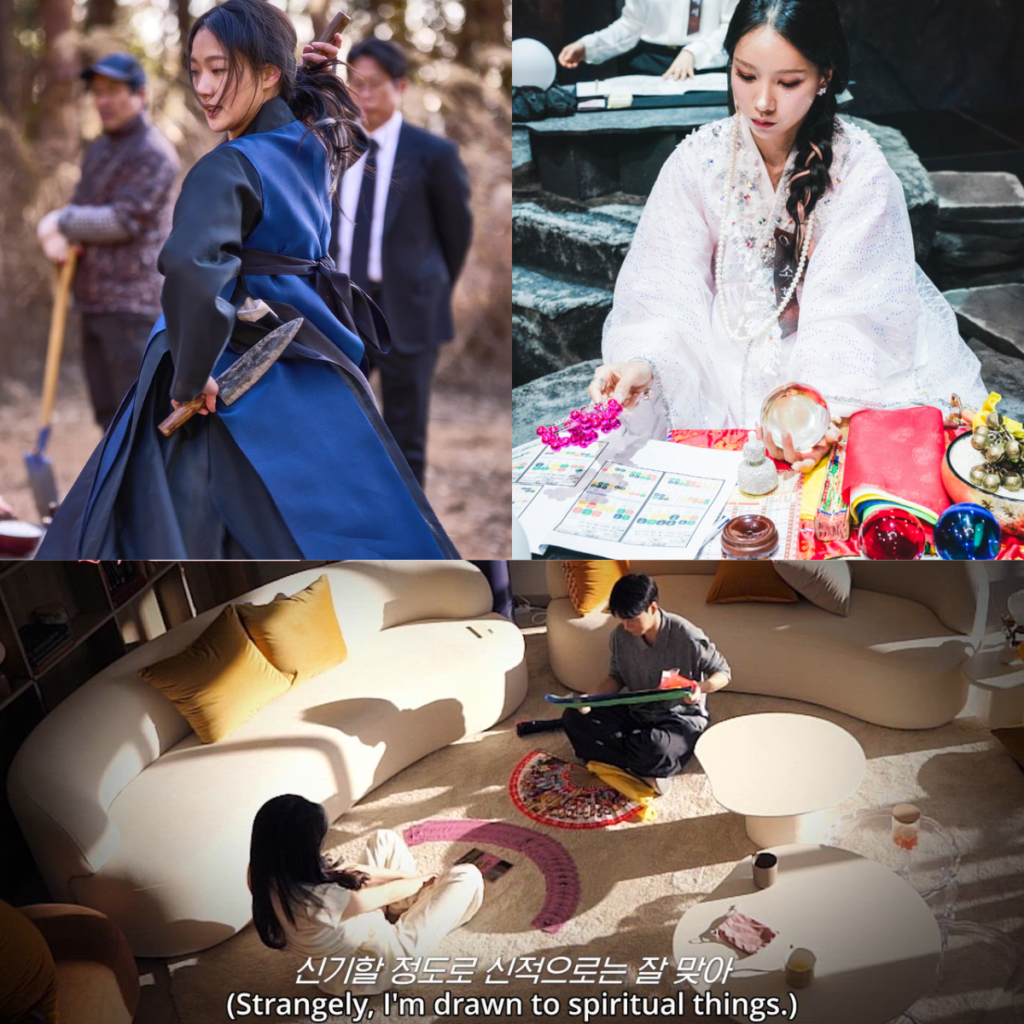
Image: Exhuma, Disney, SBS
Simultaneously, the trend is appearing in smaller formats. Creators and celebrities regularly feature visits to saju readers, tarot sessions, and past-life hypnosis on YouTube, while talk shows frame shamanic storytelling as casual social banter. Divination no longer requires a standalone premise—it now functions as a way to learn more about the creators.
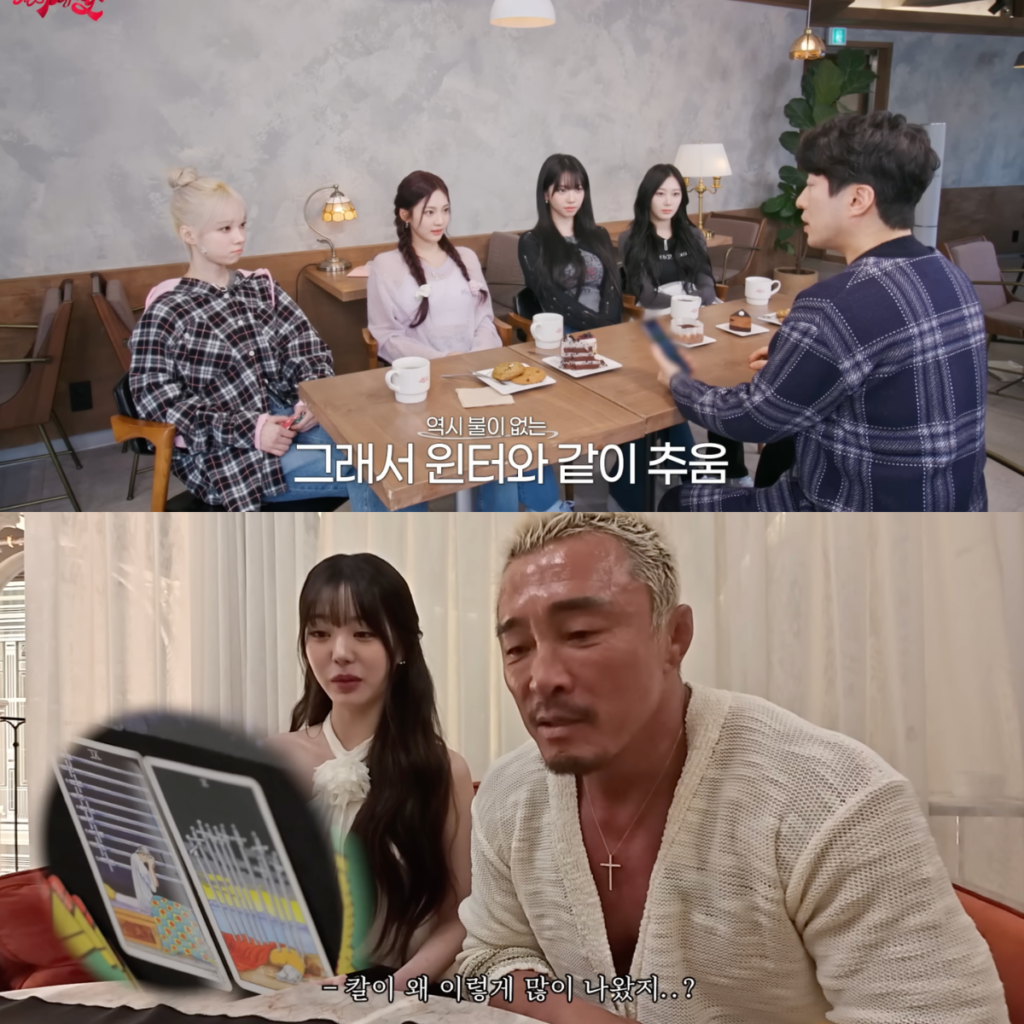
Image: aespa, 추성훈 ChooSungHoon YouTube Channel
On the street level, the phenomenon is impossible to ignore. On the street level, the boom is hard to miss. Young consumers in Hongdae, Seongsu, and Mapo routinely pair coffee dates with saju readings. With certified tarot institutions expanding from 65 in 2022 to 475 in 2025, divination has evolved into Korea’s ultimate experiential consumer trend.
Beyond Looking Good
Korean consumers have unusually easy access to products and services that support appearance and wellness. For Gen Z navigating early career milestones and establishing independent lives, personal distinction demands something far deeper than superficial grooming.
Fortune culture supplies a remarkably modern tool for highly personalized self-discovery. Practices like saju astrological mapping and tarot consultation supply structured frameworks for evaluating career moves, dating drama, and future goals.
Consumers switch fluidly between taking these readings seriously and treating them as lighthearted advice. While a skincare routine offers a satisfying physical checklist, a tarot reading weaves a personal story that people keep coming back to read.
By blending emotional self-discovery with entertainment and authentic cultural roots, fortune culture has become the defining lifestyle trend for Korea’s youngest consumers.
The New Look of Luck
The commercial opportunity expands dramatically as fortune culture leaves the reading room and enters mainstream retail channels.
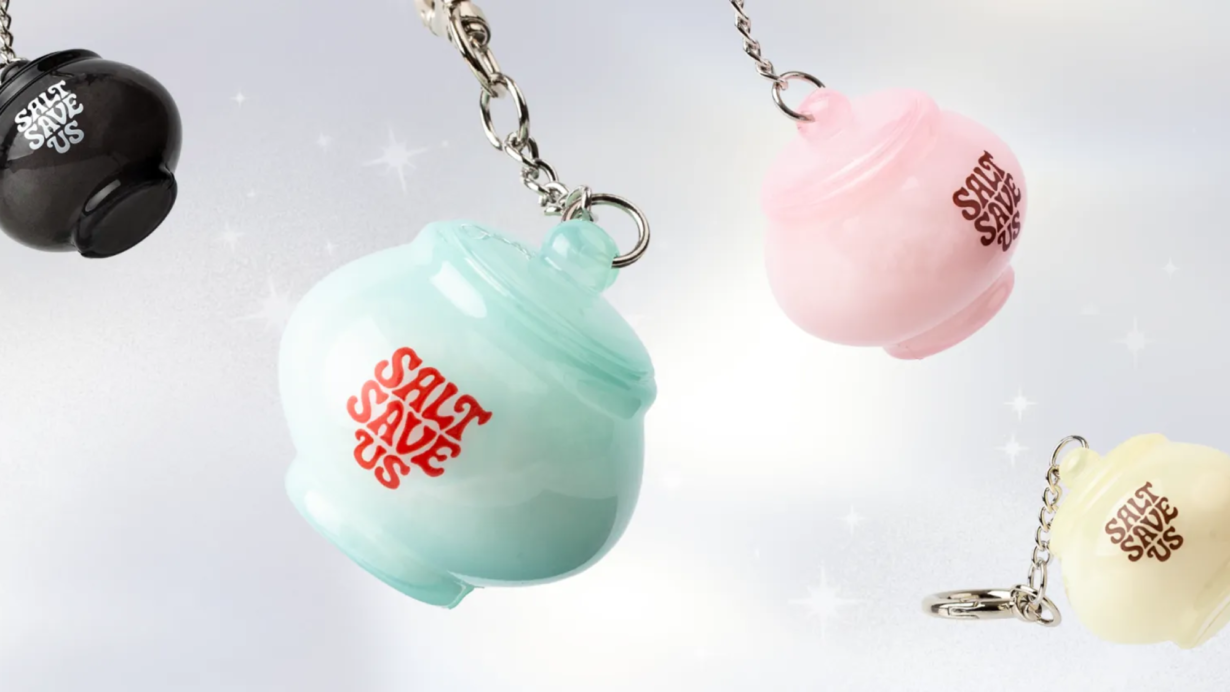
TENTSEOUL, a Hongdae lifestyle brand that began in 2016, has brought traditional lucky objects into a contemporary visual world. Its salt jars and Five Elements lucky salt keyrings reinterpret familiar protective symbolism as home objects, accessories, and gifts. GETÁSENS takes a similar approach with its Luck Fish, inspired by the Korean practice of hanging dried pollock, and its Blessed Salt Jar.
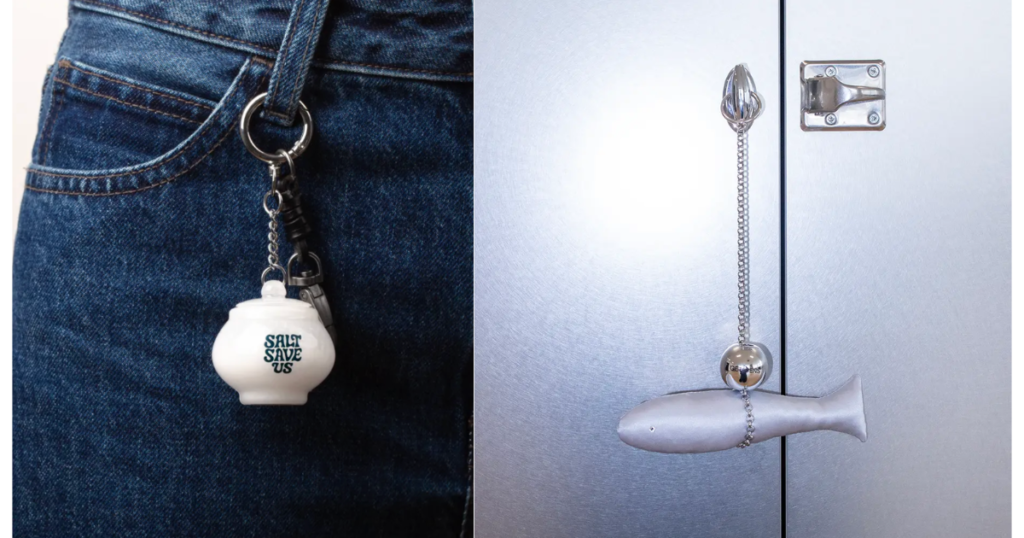
Image: TENTSEOUL, GETÁSENS
The viral popularity of the haengun geobugi, or lucky turtle charm, illustrates this behavior shift. The charm has been appearing on phones and personal accessories, including among celebrities, giving an object associated with luck a new role in personal style.
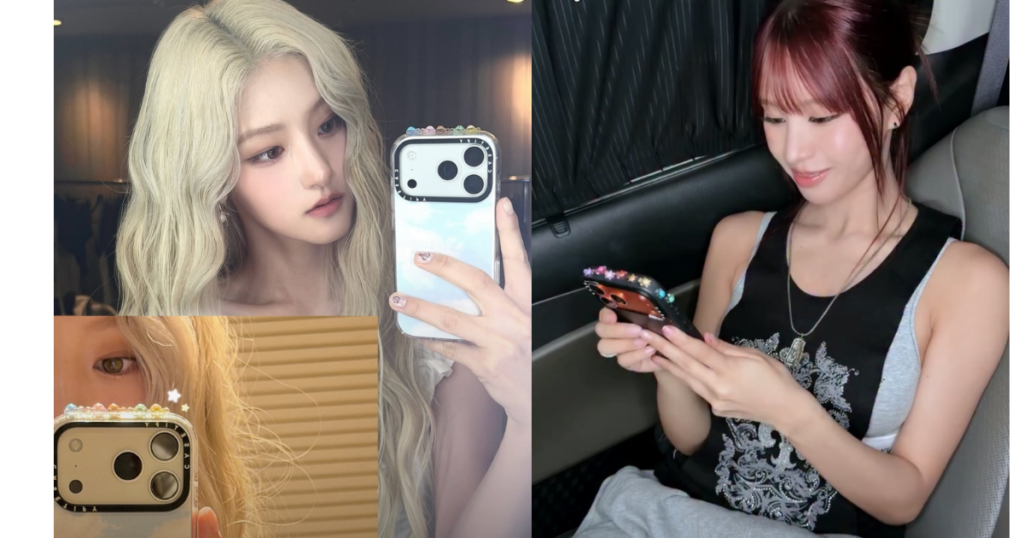
Image: Kiss of Life Instagram
Major retail giants are cashing in on the hype as well. Daiso’s feng shui home exhibition saw more than 70% of its sales come from buyers in their twenties and thirties, while lucky pollock gifts jumped 39% on Kakao’s gift platform between 2024 and 2025. Traditional symbolism has successfully evolved into the ultimate housewarming gift, personal accessory, and home decor flex.
Making Tradition Desirable
Fortune culture sits inside a broader change in how younger Koreans engage with traditional references. Gen Z shoppers in Jongno are making jade rings the newest style statement, K-beauty brand CLIO teamed up with the Korea Heritage Service to turn Joseon royal objects into viral makeup packaging, and Korean retailers are increasingly using traditional markets and its visual references as part of the consumer experience.
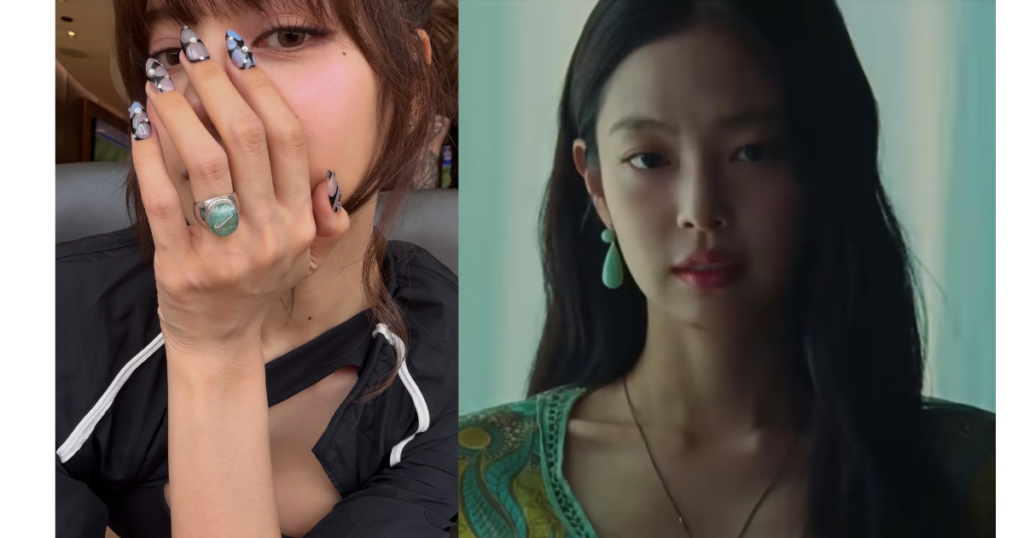
Image: @lalalalisa_m, JENNIE YouTube Channel
The structural shift hinges on making historical references genuinely desirable for modern consumers. Brands are turning lucky salt jars into chic interior objects, reimagining traditional jade as must-have jewelry, and dropping historic royal motifs onto vanity tables.
This dynamic resonates globally. Consumers who have spent years with Korean entertainment, K-pop, beauty, food, and fashion already have more cultural context than audiences did during the earlier stages of the Korean Wave. Specific Korean references can now travel with less explanation, especially when they arrive through products and experiences that already make sense in everyday life.
That gives Korean brands room to become more specific about their cultural identity, while giving global brands more Korean references to discover beyond the familiar K-pop and K-beauty vocabulary.
The Brand Opportunity
For brands, fortune culture offers a flexible source of product language rather than a single category. The same reference can move from belief to entertainment, fashion, gifting, interiors, wellness, or beauty depending on how it is designed and where consumers encounter it.
A fashion platform can introduce a traditional lucky object to shoppers who would never visit a fortune-telling shop. A beauty brand can turn a symbol into a collectible, while lifestyle, hospitality, and wellness brands can explore ideas of protection, ritual, balance, and luck.
This is where the trend becomes commercially useful beyond Gen Z fortune-telling. Korean consumers are showing that traditional references can remain meaningful while changing format, function, and audience. That process could produce the next globally relevant Korean product.
This shift presents a clear signal for global brands—the next major Korean cultural movement may just come from something familiar, slightly old-fashioned that gets reimagined for modern life.
What Comes Next
Fortune-telling has never disappeared from Korean life. What has changed is how many places it can now appear, from celebrity YouTube and entertainment programs to cafés, phone charms, interiors, and gifts.
This flexibility reveals a fundamental shift in consumer behavior. Younger Koreans feel fully entitled to redefine heritage on their own terms, transforming ancient divination into casual entertainment, protective symbols into modern home decor, and historical motifs into everyday lifestyle products.
For Korean brands, that creative freedom gives them room to dig far deeper into Korean history. Meanwhile, global brand strategists receive an early look at how traditional Korean design elements travel across industries through functional objects, physical spaces, and daily rituals.
As traditional references gets adopted into daily life, brand strategists must identify which piece of Korean history gets its product innovation next.
Looking at Your Brand Strategy
Uncovering the hidden signals in Korean consumer culture requires looking past surface-level trends. If you are exploring how Korean market shifts, consumer behavior, and category movements can open new opportunities for your business, Siseon works with global teams to turn these observations into strategic advantage.
To discuss custom research, field intelligence, or strategic advisory for your team, connect with us directly at hello@siseonhq.com or fill out the contact form.
Sources
- TENT SEOUL — About page (brand description, 액막이 소금단지 flagship, Hypebeast Seoul City Guide Top 9 2019, hip-hop venue origins 2016): https://tentseoul.com/about
- Insight Korea — “럭키맥싱 열풍” (Daiso feng shui exhibition 70%+ 2030 buyers sold out, Kakao Gift 액막이 명태 +39%, May 2026): https://www.insight.co.kr/news/554725
- Asia Economic Daily — “MZ들 줄 서는 사주카페” (Hongdae fortune shop concentration, saju café expansion, October 2024): https://view.asiae.co.kr/article/2024100416312538845
- Daily Good News — “타로·사주 배우는 MZ세대 실상” (tarot certification organizations 475 in 2025 vs 65 in 2022): https://www.goodnews1.com/news/articleView.html?idxno=452102
- Daily Good News — “운세에서 희망 찾는 청년들” (Hongdae 19 shops in 500m, YouTube 25,309 tarot channels): https://www.goodnews1.com/news/articleView.html?idxno=430575
- Weekly Kyunghyang — “K무속” (74% of 19-39 year olds enjoy fortune/saju, KPop Demon Hunters, 파묘 11M viewers, March 2026): https://weekly.khan.co.kr/article/202603020600041
- Munhwa Ilbo — “MZ 샤머니즘” (AI saju café in Jongno-gu, 7,000 won session, QR code talisman): https://www.munhwa.com/article/11587576
- Kyunghyang Shinmun — “사주·타로에 묻는다 나는 누구인가요?” (self-knowledge framing, consumer voices, October 2024): https://www.khan.co.kr/article/202410050600011
- Hankyung Business — “사주풀이로 세컨드잡” (saju user annual growth 25%, Naver Expert #1 fortune, 2024): https://magazine.hankyung.com/business/article/202405226315b
- Get A Sens — Luck Fish and Blessed Salt Jar products: https://www.getasens.com/

[…] with prosperity have moved beyond fortune-telling spaces and into everyday lifestyle culture. Lucky turtle charms, salt keyrings, and Luck Fish convert traditional concepts of good fortune into tangible objects that consumers carry, collect, […]