



When Brands Need More Than Online
Korean consumers are deeply accustomed to shopping online. Fashion, beauty, lifestyle, and food can all be discovered and purchased through highly developed platforms built around convenience and speed. But brands struggle to build deep consumer loyalty.
To break through digital fatigue, fashion and beauty brands are opening immersive flagships across trend-setting districts like Seongsu and Dosan. Rather than another place to sell products, brands are focusing on designing spaces around local characteristics and brand identity.
To understand why brands are building stores again, it helps to look at what happens to a brand when the platform becomes the place where everything gets bought.
The Hidden Cost of Platform Traffic
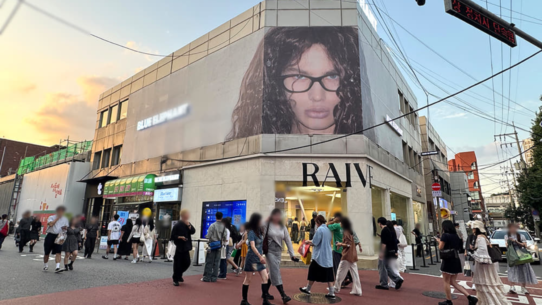
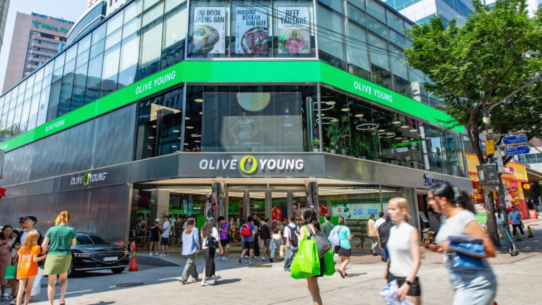
Most Korean fashion lovers start their online shopping inside major platforms rather than individual brand websites. Musinsa leads this market, recording over 425 million internal searches in 2025 and serving more than 10 million active monthly users. Apps like Zigzag similarly bring thousands of independent shops together under one digital roof.
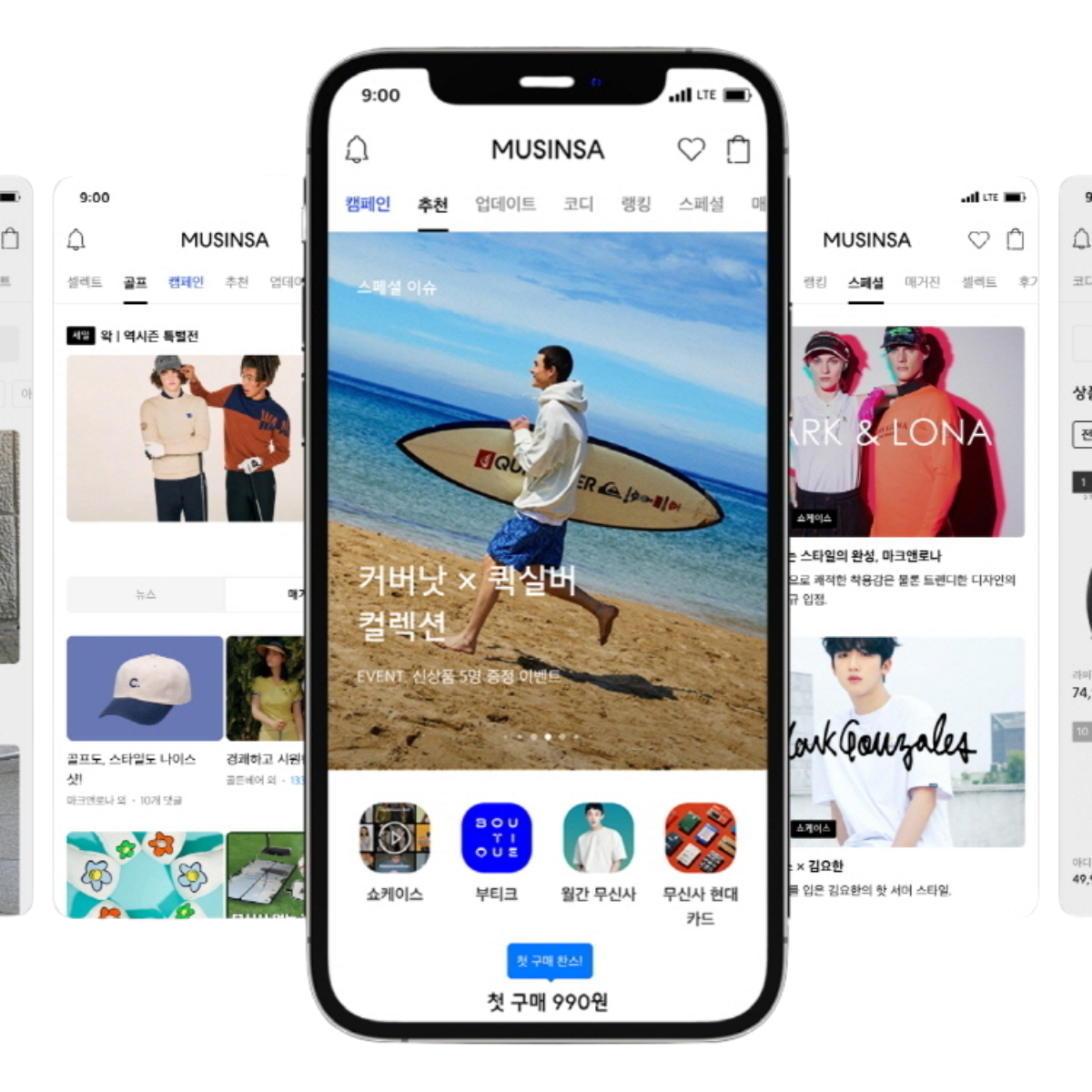
Image: Musinsa
For young labels, joining these platforms delivers instant exposure alongside built-in payment systems, logistics support, and marketing tools. Yet this convenience carries a steep cost.
Products sit inside standardized grid layouts right next to rival brands. Platform algorithms dictate who gets seen, while rankings, star reviews, and flash discounts drive sales. The platform owns the customer relationship, leaving the brand itself in the shadows. Shoppers end up remembering the platform, the low price, or the general item, but forget the label behind it. Physical storefronts break this pattern by reclaiming total control over the brand narrative.
Making the Brand Visible
Rising beauty label Knock proves that offline retail creates instant brand buzz. The Korean beauty label launched in 2025 and immediately opened Knock Archive Seongsu, turning a product release into a real life sensory experience. The store features offline-exclusive lifestyle items, giving shoppers a tangible reason to visit instead of scrolling online.
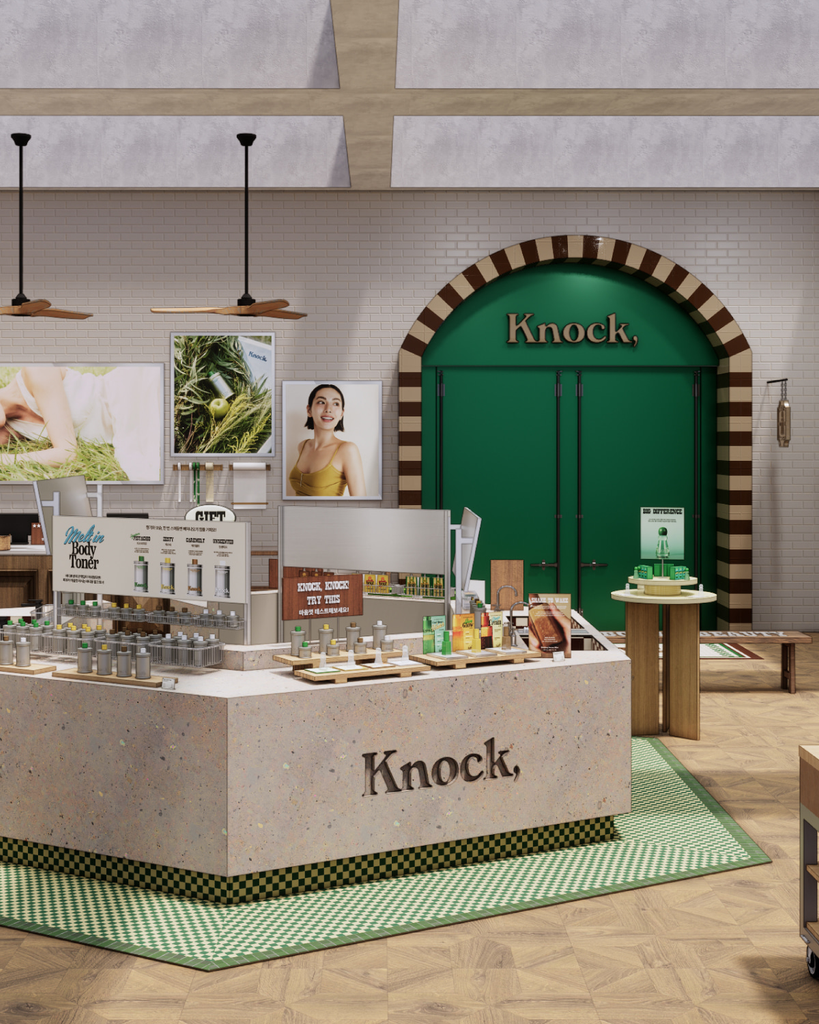
Image: Knock
Verish uses physical retail to expand its category boundaries. After launching in 2021 as an underwear label, the brand grew into broader comfort-wear and lifestyle lines. Its Feel Lab retail concept offers custom fitting and personal consultations that no digital product page can match.
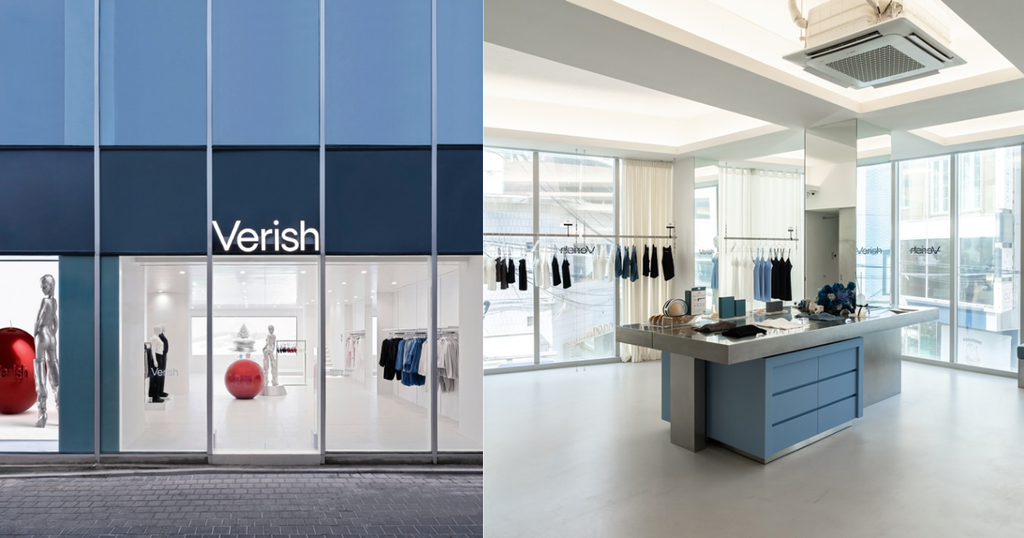
Image: Verish, Fashionbiz
Physical stores also generate powerful organic media. Striking interiors, art installations, custom packaging, and shareable photo spots turn visitors into active content creators. Instead of fighting for space in an app algorithm, the brand builds a real-world destination that people visit, photograph, remember, and share.
Seongsu As A Discovery Platform
Seongsu, a former industrial district in eastern Seoul, now operates as a massive fashion, beauty, and cultural hub where independent boutiques, cafés, pop-ups, and flagships line the same streets.
The density of this shopping neighborhood creates massive foot traffic. Commercial data shows average daily foot traffic around Seongsu Station reached 47,246 in late 2025, up 10.7 percent from earlier in the year. Foreign visitor counts surged as well, nearly tripling from 330,000 in early 2024 to 910,000 in early 2025.
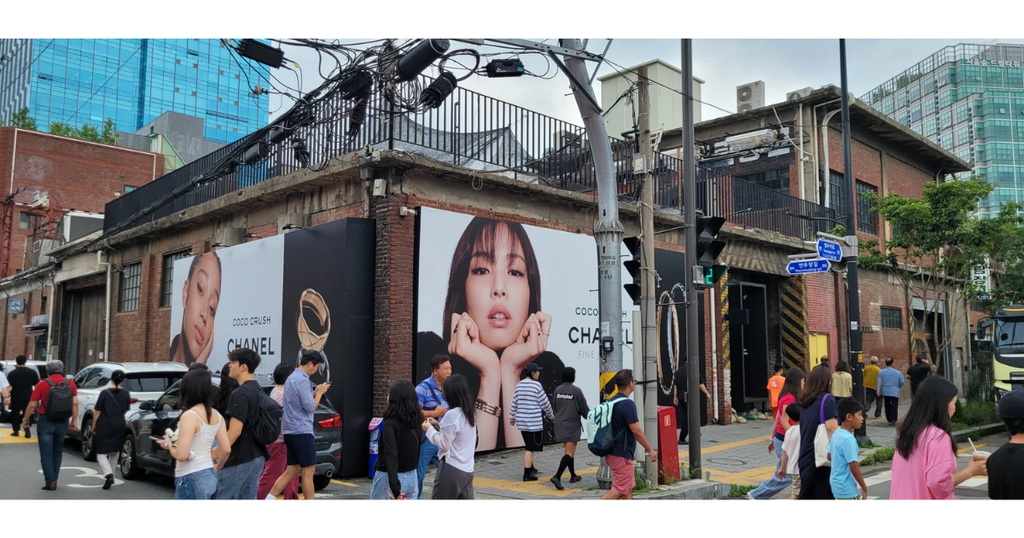
Image: dkl & Company
This physical concentration delivers real consumer intelligence. Staff can watch who enters, what stops them, what they touch, what they ignore, what they try on, and what they photograph. They observe how domestic and international shoppers react to events without an algorithm getting in the way.
Online platforms provide mountains of transactional data, but the browsing journey stays hidden inside app databases. Physical stores put brands directly in front of real consumer behavior.
When Online Retailers Build Offline
Korea’s largest e-commerce platforms encounter a different structural limit. Expanding digital product catalogs beyond millions of listings fails to create genuine novelty, forcing these e-commerce leaders to build physical stores to escape digital sameness.
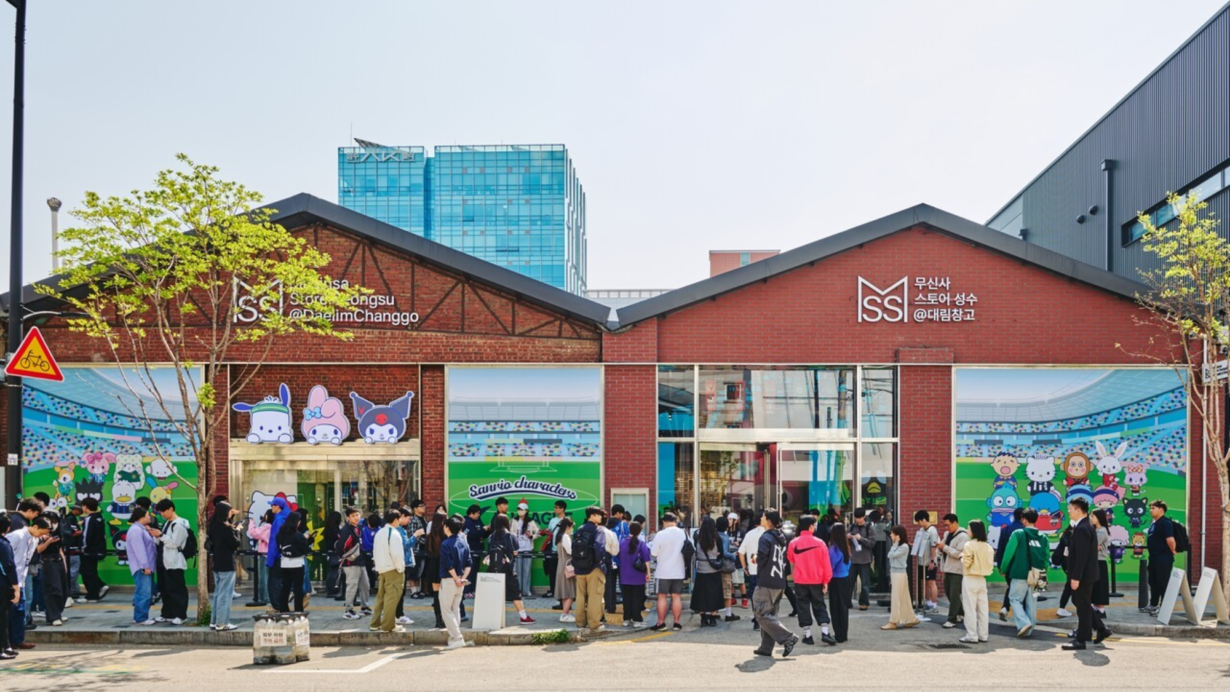
Musinsa demonstrates this through its physical store network. Rather than copying its app layout, Musinsa builds distinct offline destinations for different audiences. Musinsa Standard delivers accessible everyday wardrobe basics, EMPTY curates high-concept designer fashion, 29CM SEONGSU operates as an editorial lifestyle venue, and SQUARE hosts temporary brand pop-ups. Each store translates the app’s massive catalog into a focused offline experience.
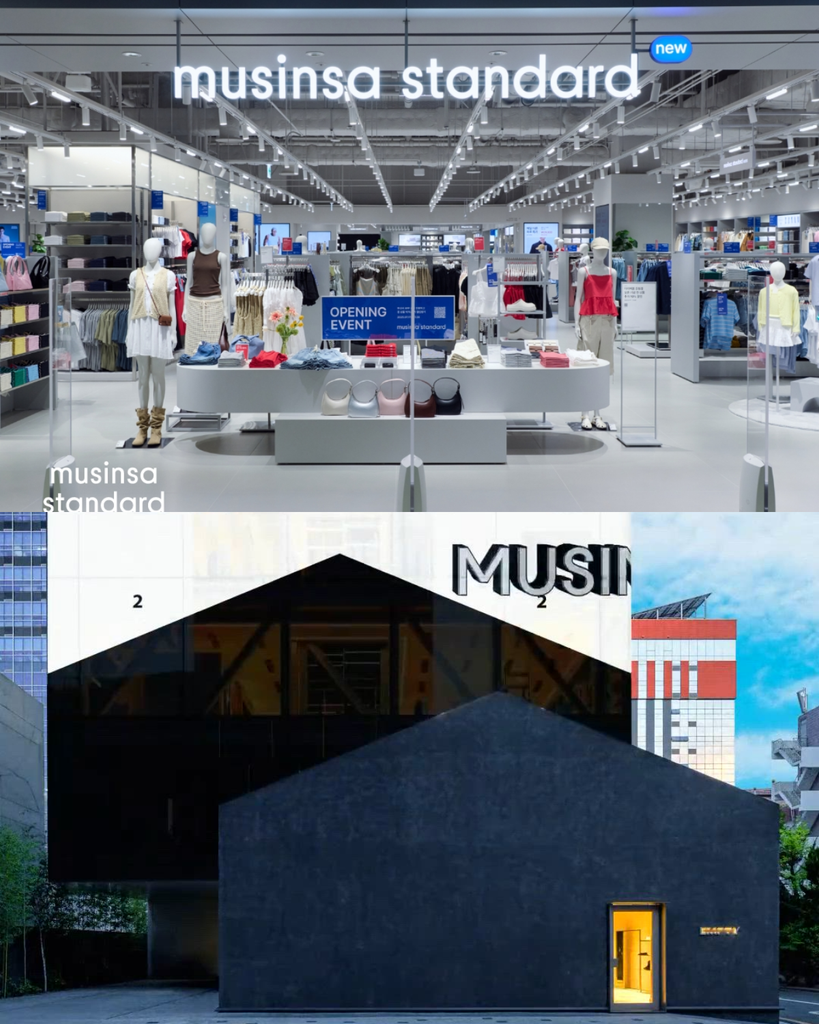
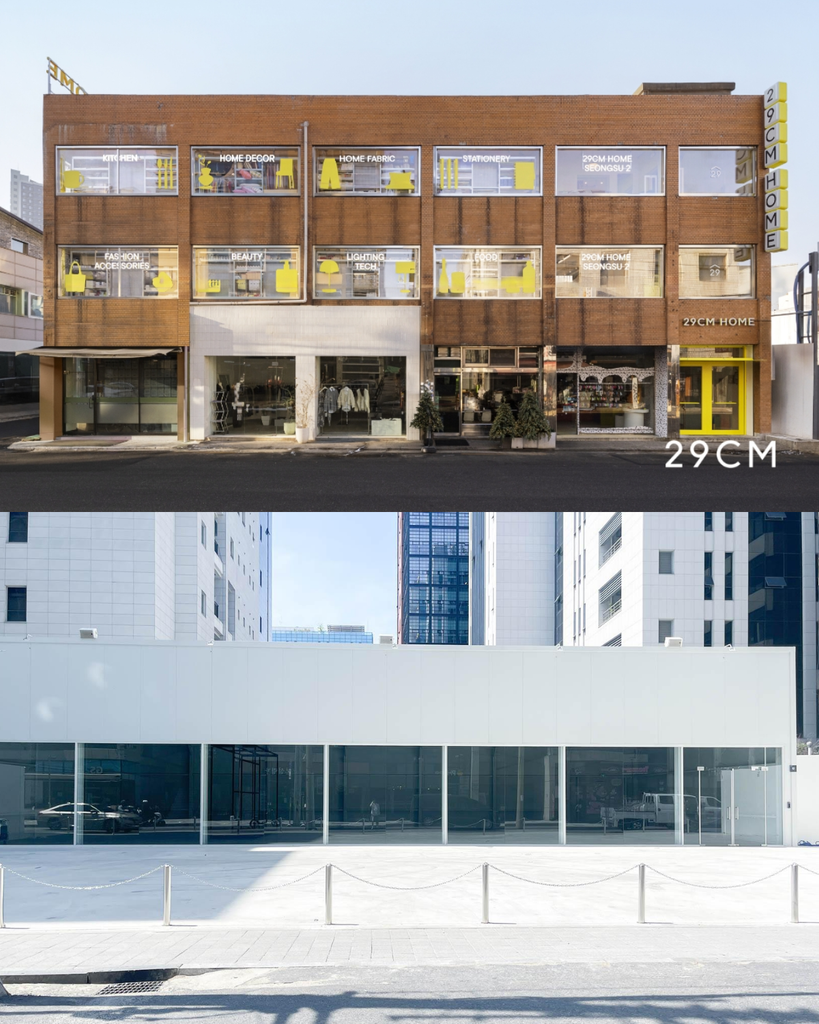
Image: Musinsa
Market Kurly adopts a similar model with its upcoming Gangnam flagship. The platform will be creating a physical space where visitors sample gourmet foods and test luxury cosmetics before ordering online.
Physical storefronts help e-commerce apps connect with inactive users and attract new shoppers who prefer real-world discovery over mobile scrolling. Moving offline gives a digital brand a human identity that customers can touch, explore, and remember.
What Offline Adds
The most successful offline strategies give consumers a compelling reason to step away from their phones.
Brands achieve this through exclusive drops, early product launches, limited-edition collaborations, custom fittings, workshops, or architectural installations worth seeing in person.
Korean consumers already embrace pop-up culture, drop models, and time-sensitive releases. Physical storefronts build directly on this behavior by reserving specific experiences for in-person visitors.
This approach builds a continuous feedback loop between digital and physical channels. Online platforms generate broad audience awareness while physical stores convert that awareness into memory and shareable social content, which subsequently drives traffic back to digital feeds.
In a retail culture driven by social sharing and instant trends, physical storefronts provide the immersive backdrops that turn casual shoppers into fans. Online platforms keep carts full, but physical destinations build the cultural momentum that keeps brands relevant over time.
Looking at Your Brand Strategy
Uncovering the hidden signals in Korean consumer culture requires looking past surface-level trends. If you are exploring how Korean market shifts, consumer behavior, and category movements can open new opportunities for your business, Siseon works with global teams to turn these observations into strategic advantage.
To discuss custom research, field intelligence, or strategic advisory for your team, connect with us directly at hello@siseonhq.com or fill out the contact form.
Sources
- Fashion Biz Korea (June 2025) — Verish Seongsu flagship ₩500M opening month, ₩600M May 2025; Feel Lab 1:1 personalized consultation; Dosan renovation with 2 Feel Lab spaces and 7 fitting rooms: https://fashionbiz.co.kr/article/216909
- The Fair News (June 2025) — Verish Seongsu store as “case where the power of offline worked properly”; consumers responding to being able to feel fabric and fit directly: https://www.thefairnews.co.kr/news/articleView.html?idxno=48999
- Marie Claire Korea (October 2024) — Verish Dosan Q2 revenue +133% vs Q1; visitors +84.5%; international Asian market interest and visitors increasing: https://www.marieclairekorea.com
- Musinsa locations official page — Musinsa Mega Store Seongsu, Terrace, SQUARE Seongsu, 29CM Seongsu: https://locations.musinsa.com/
- Knock Archive official — Seongsu flagship: https://knockofficial.com/archive.html