




Korea Is Turning Tradition Into Lifestyle
Traditional Korean culture is showing up in places it once rarely occupied. Hanok courtyards are becoming the hottest new café backdrops, traditional snacks are turning up as viral luxury desserts, and subtle hanbok details are showing up in everyday fashion.
As K-pop, film, food, beauty, and fashion have made Korean aesthetics increasingly familiar overseas, younger Koreans have also been looking more closely at the culture behind them. References that once felt old or overly familiar can look different when they are given a new setting, shape, or purpose.
The Korean Culture and Information Service has documented this growing interest in “hip traditional culture,” particularly among younger consumers. Across design, food, fashion, and lifestyle, traditional references are finding new roles in contemporary life.
Tradition in Modern Spaces
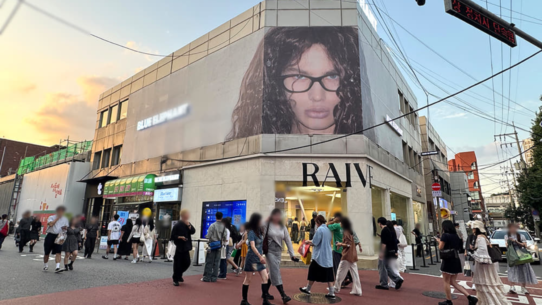
Walk through Seoul’s newer retail and café spaces and traditional Korean architecture is hard to miss.
Zara’s Gangnam flagship incorporates Korean architectural elements into a global retail environment. Le Labo has brought its own interpretation of Korean space to Bukchon, while in Ikseon-dong, cafés such as OTC Coffee and Coffee Hanyakbang have made hanok surroundings part of the experience itself.
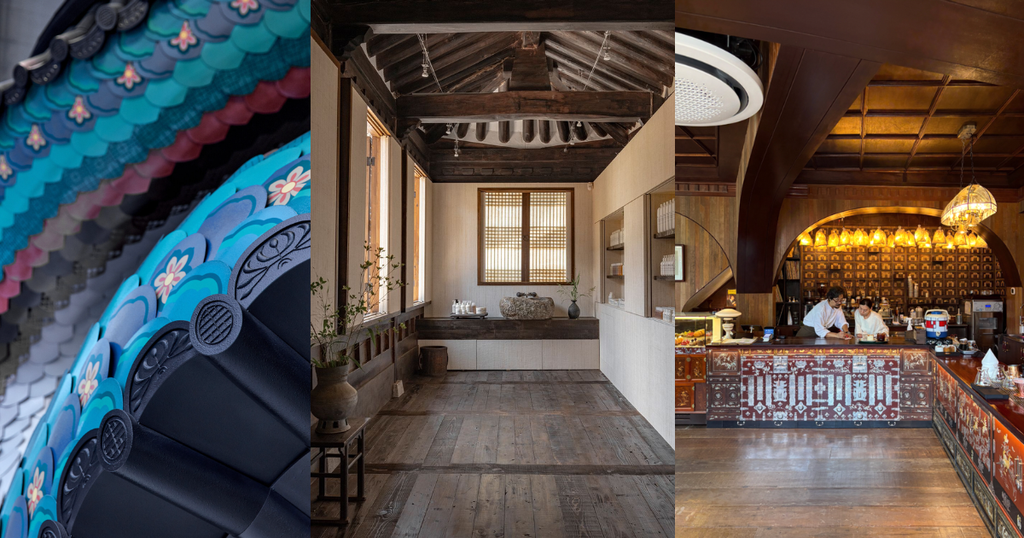
Image: Design Plus, Harper’s Bazaar Korea, @_oo.hs
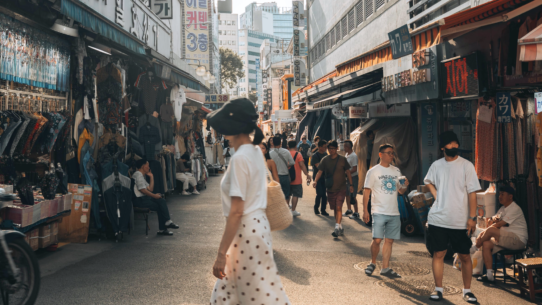
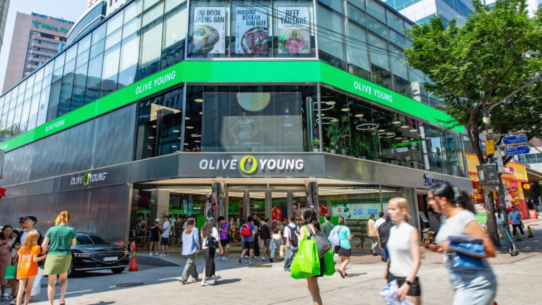
Meanwhile, retail innovators like Olive Young with its Gwangjang Market branch and upcoming retro dabang concept in Sincheon show how familiar Korean spaces can be translated into contemporary shopping environments.
Wood, latticework, stone, muted colors, courtyards, and traditional spatial layouts already are complementary to modern design. A traditional hanok can now be a café, hotel, flagship store, or reason to visit a particular neighborhood.
For global brands, localized design delivers immediate commercial value by converting global flagship stores into location-specific cultural destinations for domestic and international shoppers alike.
Halmaenial Desserts
Halmaenial (a combination of the Korean word for grandma and millenial) snacks like tteok, yakgwa, and sulppang have moved well beyond their association with holidays and older generations. These classic confections are shedding their old-fashioned image and taking over trendy dessert cafes across the country.
Tteok, or rice cakes, are leading the charge in a huge way. Korea’s tteok market increased from $414 million in 2018 to nearly $683 million in 2024, powered by Gen Z and millennial foodies hunting down unique flavors through Instagram, TikTok, and YouTube mukbangs.

Image: 할명수 YouTube Channel, 캐릭캐릭 채연이 LEECHAEYEON YouTube Channel
In response, modern bakers are redesigning tteok into luxury gift boxes, aesthetic cafe treats, and viral food-tour destinations. By fusing centuries-old rice-cake recipes with unexpected fillings, bold colors, and sleek branding, traditional sweets are captivating a whole new generation. Famous celebrities are even jumping on the trend with dedicated YouTube reviews.
A snack once reserved for Korean holidays like Chuseok or Lunar New Year now serves as a weekend discovery, a social media post, or an impulse purchase driven by visual appeal.
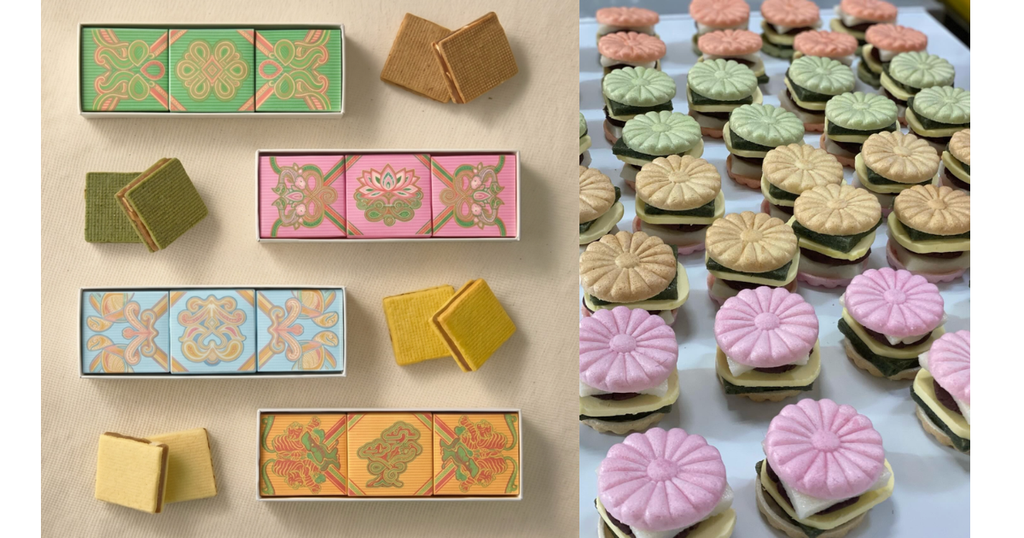
Image: Chomchom, @5bok__
The Modern Hanbok
Contemporary designers are borrowing fluid silhouettes, intricate embroidery, muted earth tones, and traditional construction—and interpreting them into everyday clothing. Ongo, for example, brings elements of Korean traditional clothing and aesthetics into contemporary accessories and everyday fashion.
OUWR takes a similar approach, converting centuries-old Korean motifs into bold modern prints that adorn wrap skirts, jackets, and accessories. Contemporary hanbok designers are also reworking traditional lines and structures for modern wardrobes.
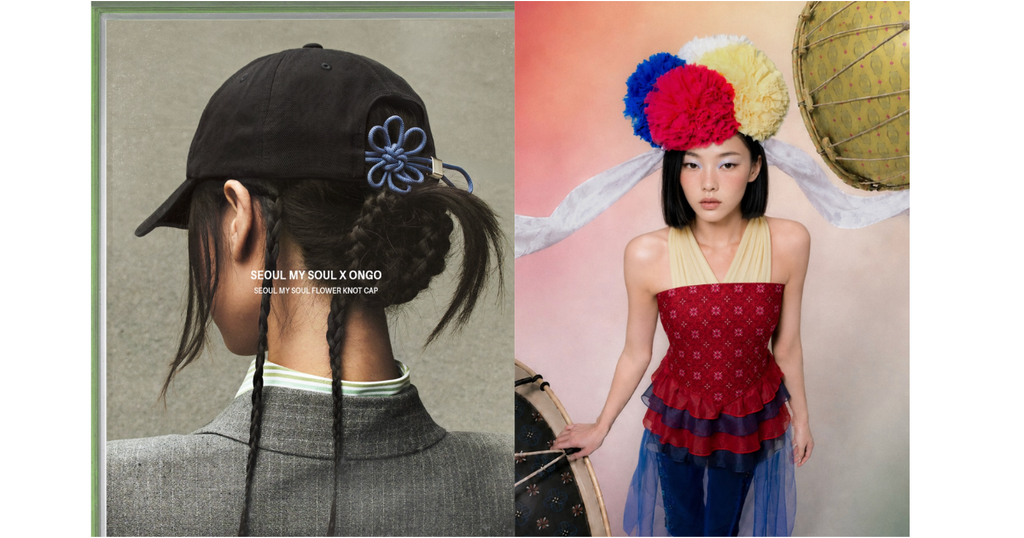
Image: Ongo, OUWR
This creative revival extends across the entire fashion ecosystem. Brands like Leesle and Danha prove that traditional Korean clothing no longer belongs solely in historical dramas or holiday family photos. By fusing centuries of craftsmanship with sleek modern cuts, these designers are turning traditional cultural references into the ultimate global fashion statement.
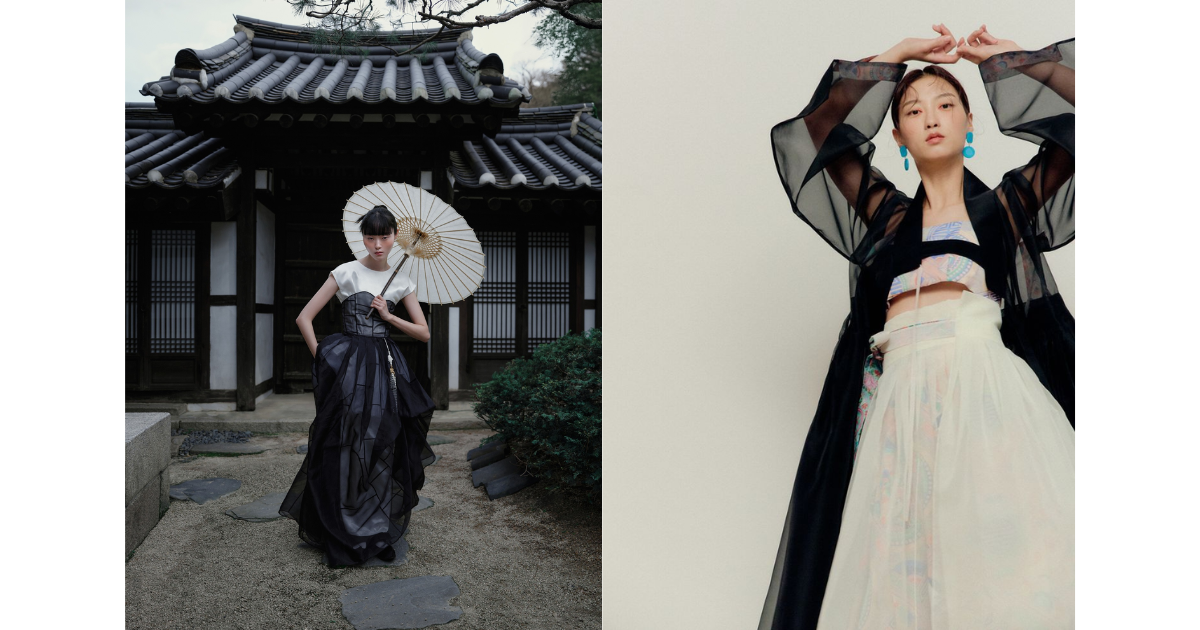
Image: Leesle, Danha
From Luck to Identity
Saju, lucky talismans, and objects associated with prosperity have moved beyond fortune-telling spaces and into everyday lifestyle culture. Lucky turtle charms, salt keyrings, and Luck Fish convert traditional concepts of good fortune into tangible objects that consumers carry, collect, gift, and wear.
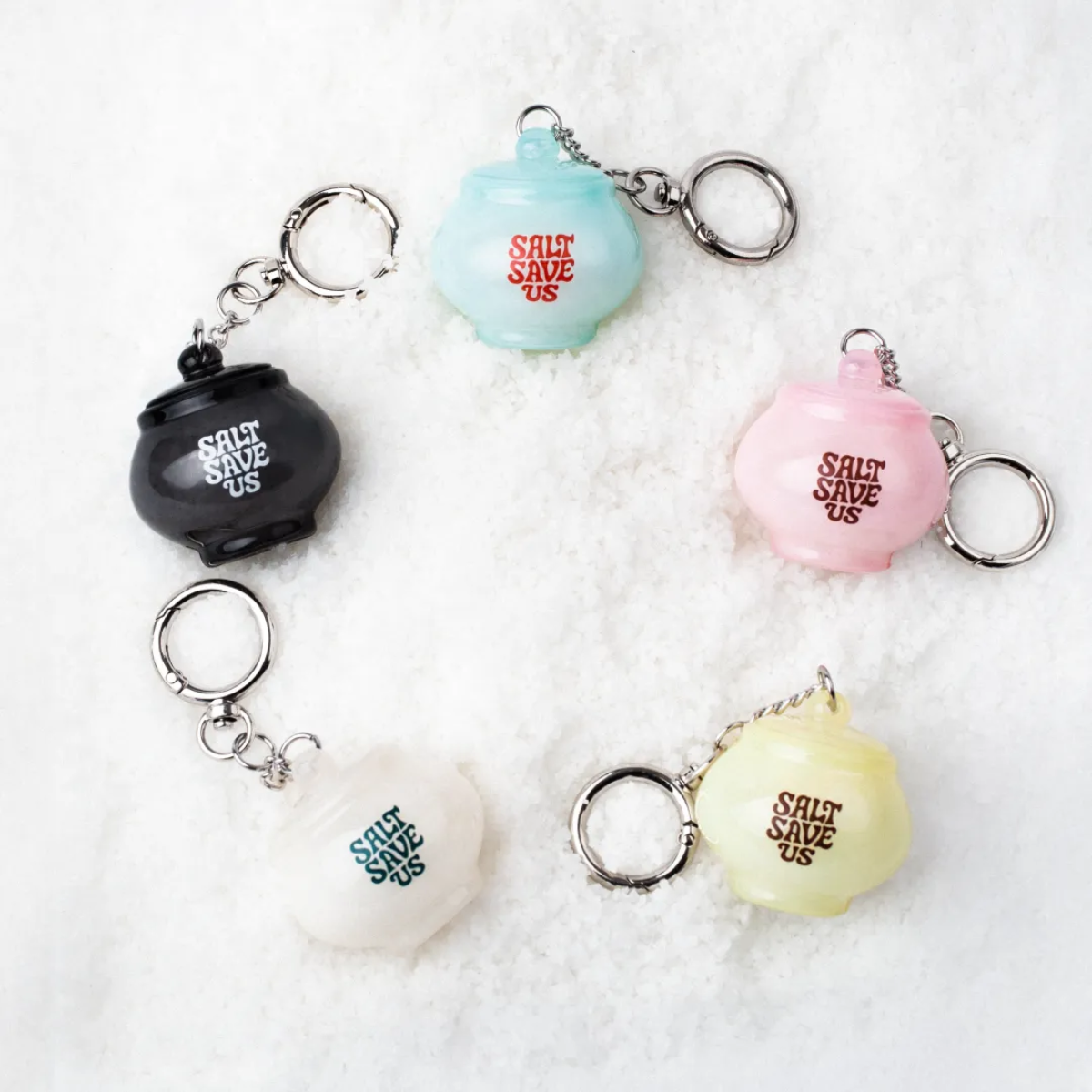
Image: Tentseoul
These objects do not require literal spiritual belief to carry value. A lucky charm functions effortlessly as a phone accessory, a bag charm, or a thoughtful gift, allowing individuals to signal cultural connection while customizing their personal space.
While the original protective symbolism remains intact, its practical role becomes intensely personal and design-forward. This versatility allows brands to integrate fortune culture directly into modern retail categories, transforming ancient divination codes into home decor, keyrings, collectibles, and jewelry.
From Religion to Lifestyle
Buddhism is also getting a stylish, youth-driven revival across urban Korea. Young Koreans are embracing temple aesthetics through trendy pop-ups, viral social media memes, and accessories that blend seamlessly into modern street style.
The 2026 Seoul International Buddhism Expo proved just how cool spiritual culture has become, drawing massive Gen Z crowds with tongue-in-cheek merchandise and a fresh, upbeat approach to ancient mindfulness.
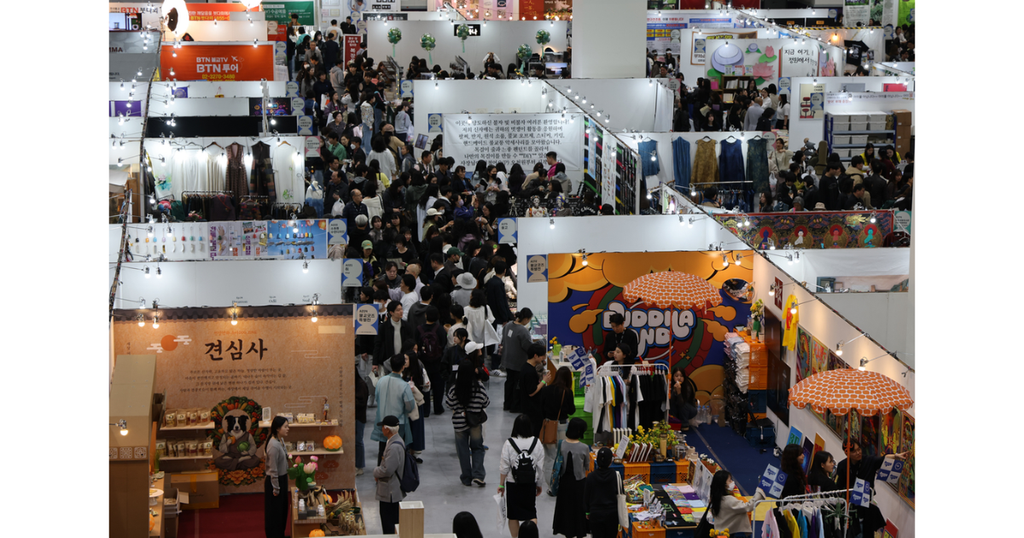
Image: Seoul Economic Daily
Trendsetting lifestyle brands like Buddhz are driving this movement, reimagining classic temple iconography and Buddha figures as modern consumer goods. Consumers do not need to practice formal meditation or frequent temples to love the aesthetic. Prayer beads, lotus motifs, and zen symbols now function as expressive style statements, giving young consumers a seamless way to weave mindfulness, humor, and cultural connection into their daily lives.
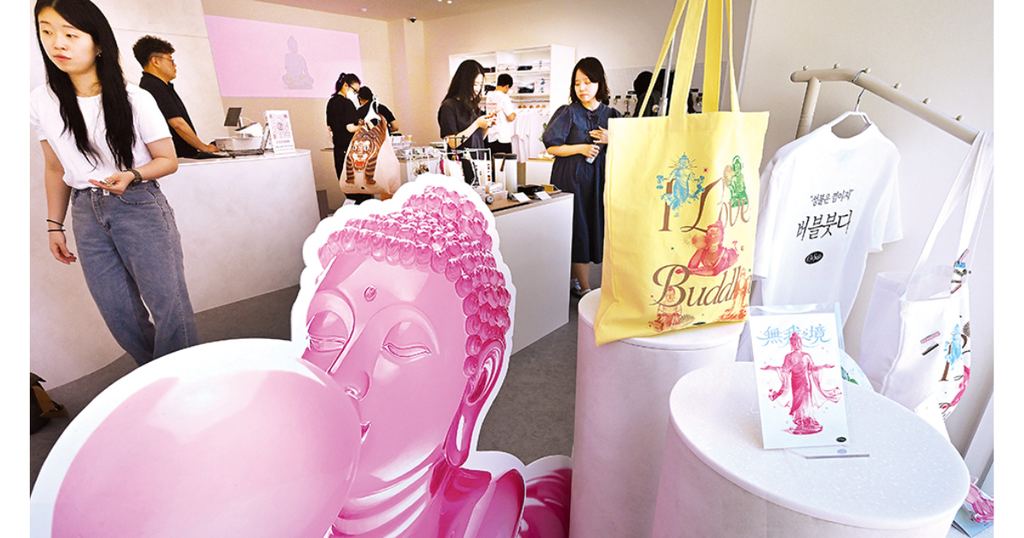
Image: 불교신문
Tradition You Can Take Home
Korean museum shops have become another unexpected place where traditional culture is finding a new audience. Heritage-inspired museum merchandise reached $15.6 million in sales in 2024, up 42% from the previous year and more than five times the 2020 figure.
The popularity extends beyond Korean consumers. Museum goods have become sought-after purchases among international visitors as well, giving tourists a way to take home something connected to Korean history and design rather than a conventional souvenir.
That cross-audience appeal is reflected in the products themselves. Traditional patterns, royal motifs, historical figures, and craft techniques are being translated into ceramics, stationery, accessories, textiles, and other everyday goods that fit comfortably alongside contemporary lifestyle products.
For Korean consumers, these objects offer a familiar cultural reference in a form that feels current. For visitors, the same products can turn something encountered in a museum or cultural site into a physical connection to the experience of being in Korea.
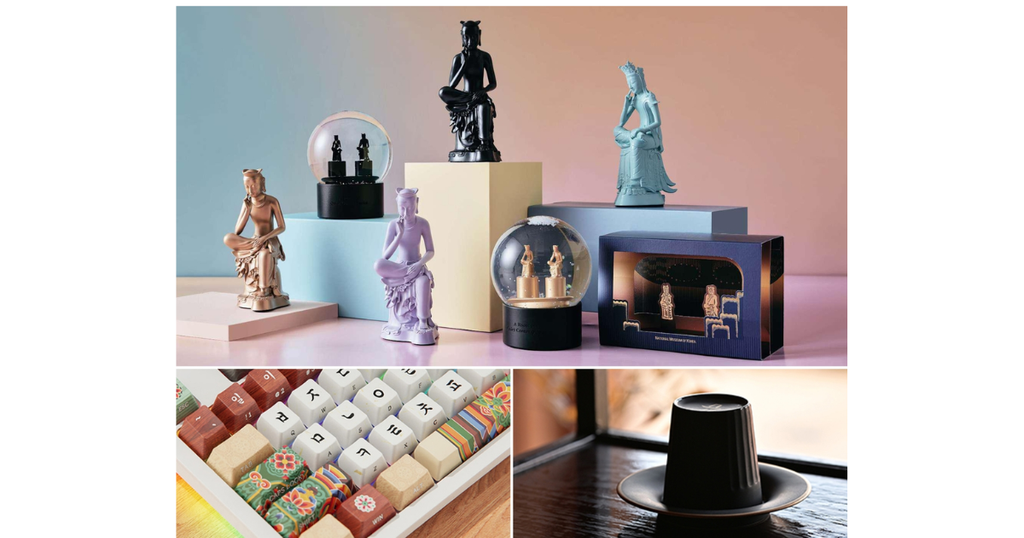
Image: The Korea Herald
What This Means Beyond Korea
The next evolution of Korean design influence will unfold across international markets. Global audiences already recognize K-pop, K-beauty, K-food, and K-fashion, creating a receptive audience for traditional design motifs. Hanbok silhouettes, historic textiles, hanok architectural proportions, Buddhist iconography, regional culinary profiles, and traditional fortune symbols now form a rich, versatile design vocabulary ready for international adaptation.
Some products will proudly wear their Korean roots, while others will blend effortlessly into modern urban apartments and global fashion feeds. The real breakthrough is that as familiarity with Korean culture grows, these references become easier for global consumers to recognize and reinterpret. Korean tradition is becoming part of the broader visual and cultural vocabulary surrounding Korean influence.
The next stage of Korean influence may be less about exporting Korean products and more about exporting the design language behind them.
Looking at Your Brand Strategy
Uncovering the hidden signals in Korean consumer culture requires looking past surface-level trends. If you are exploring how Korean market shifts, consumer behavior, and category movements can open new opportunities for your business, Siseon works with global teams to turn these observations into strategic advantage.
To discuss custom research, field intelligence, or strategic advisory for your team, connect with us directly at hello@siseonhq.com or fill out the contact form.
Sources
- Korean Culture and Information Service. “Hip Traditional Culture.” 2025. https://www.korean-culture.org/eng/webzine/202507/sub06.html
- The Korea Times. “K-Traditional Design Finds New Life in Fashion, Goods, Store Interiors.” October 9, 2025. https://www.koreatimes.co.kr/lifestyle/koreanheritage/20251009/k-traditional-design-finds-new-life-in-fashion-goods-store-interiors
- Seoul Economic Daily. “Chewy Dessert Trend Lifts Traditional Rice Cake Sales in Korea.”
- Seoul Economic Daily. “Pizza Rice Cake Draws Lines Across Korea’s Traditional Markets.” September 10, 2026.
- Korea.net. “5 Top Museum Souvenirs Reflect Cultural Heritage in Daily Life.” March 18, 2025.
- Korea.net. “Museum Merchandise Brand MU:DS Breaks KRW 40B in Annual Sales.” May 7, 2026.
- Korea.net. “MU:DS, K-Culture Unboxed in Los Angeles.” 2026.
- The Korea Times. “Hip Buddhism Takes Over Seoul: Gen Z Flocks to Buy Temple Merch.” April 5, 2026.
- Korea.net. “Contemporary Hanbok.”
https://www.korea.net/K-InfoHub/SubMainDetail/view?articleId=4070&headwordCd=66&headwordGroupCd=26&pageIndex=1 - OUWR. About OUWR.
https://www.ouwr.kr/about - Korea.net. “Korean Museum Goods and Cultural Heritage in Daily Life.”