



Introduction
There is a subtle but meaningful change happening in how Korean consumers buy glasses.
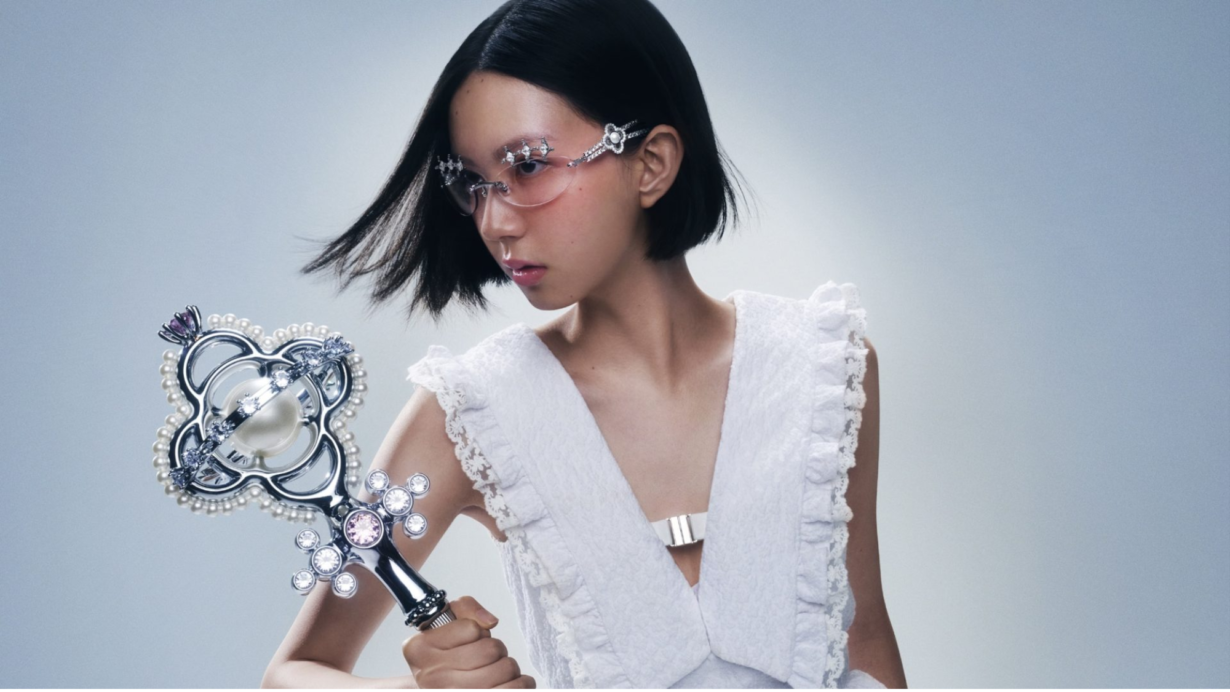
Gentle Monster’s carefully designed PR packages have become an extension of the brand experience, generating organic visibility across Instagram, TikTok, and YouTube.
For most of the 2010s, if you wanted fashionable eyewear in Korea, your choices were fairly polarized: functional optical frames from chain opticians, or a significant investment in a designer pair. Gentle Monster occupied the space it had helped create, offering bold, art-adjacent design at prices that were expensive but not inaccessible. The brand became a cultural landmark.
What has changed recently is that the market has extended downward. A generation of Korean eyewear brands, many launched in the past five or six years, is offering design-forward frames at prices that make the category feel genuinely everyday. Brands like Muut, Blue Elephant, Rieti, Double Lovers, Neoteria, and Carin have different aesthetics and different target customers, but they share a common positioning built around good design, accessible pricing, and a clear understanding of what contemporary Korean consumers want to wear.
The result is that eyewear in Korea is increasingly behaving like any other fashion accessory. Consumers are buying more pairs. They are choosing frames to match outfits, moods, and seasons. The market for stylish glasses has grown considerably larger than it was when Gentle Monster was the primary reference point.
What Gentle Monster Actually Changed
Before Gentle Monster’s cultural moment, fashionable eyewear in Korea was largely the domain of international luxury brands. Glasses were bought when needed. The frame was a practical decision with some aesthetic consideration, not a lifestyle choice.
Gentle Monster shifted that. It launched with a gallery-meets-retail model that made visiting the store an experience, and it released frames that people wanted specifically because of how they looked. The price point was significant, but it was justifiable for a product positioned with the cultural weight of a fashion brand. More importantly, it proved that Korean consumers would prioritize design when the design was compelling enough.
That proof of concept had lasting consequences. Once consumers understood that glasses could be something you bought because they expressed who you were, rather than simply corrected your vision or protected your eyes, the category’s rules changed. The question was only who else would enter the market, and at what price.
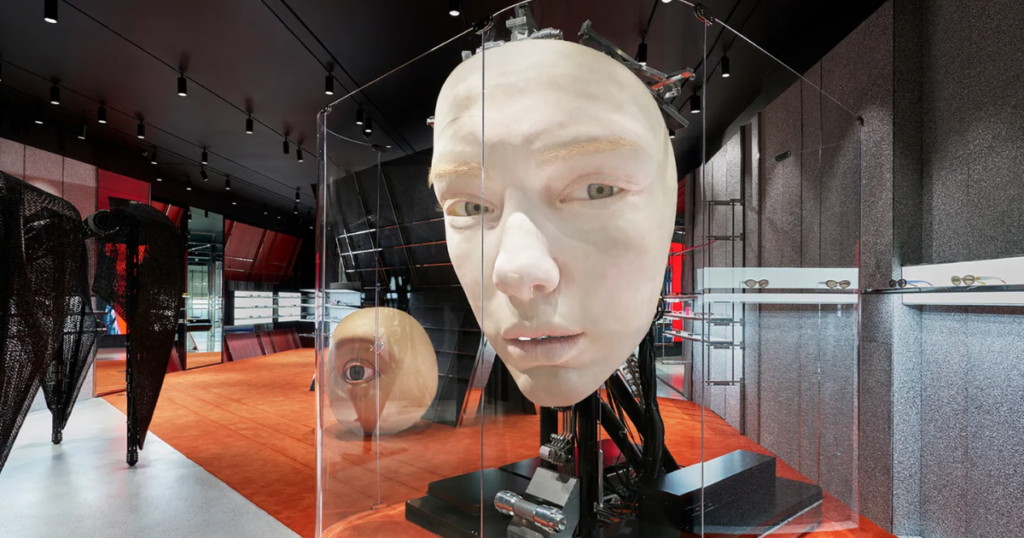
Image: Flaunt Magazine
The New Accessible Generation
The brands that have emerged in recent years occupy a clear position relative to Gentle Monster. They are significantly more accessible, remain highly style-focused, and appeal to consumers who want to look considered without a considerable expenditure. Most frames retail between approximately $35 and $150, making it realistic for consumers to own multiple pairs rather than treating eyewear as a once-every-few-years purchase.
Blue Elephant, where most frames retail for approximately $35–60, launched as an online brand in 2019 and has since grown to 25 locations across South Korea, Japan, the Philippines, and the United States, with more openings planned. Its brand philosophy is built around eyewear as personal expression rather than pure function. The EDIE frame, a rounded nude-tone acetate design, became one of its most recognized styles after Suzy, the Korean actress and singer, wore it publicly. It illustrates the brand’s range: contemporary shapes, flattering proportions, colors that sit within the current Korean fashion palette without being trend-dependent.
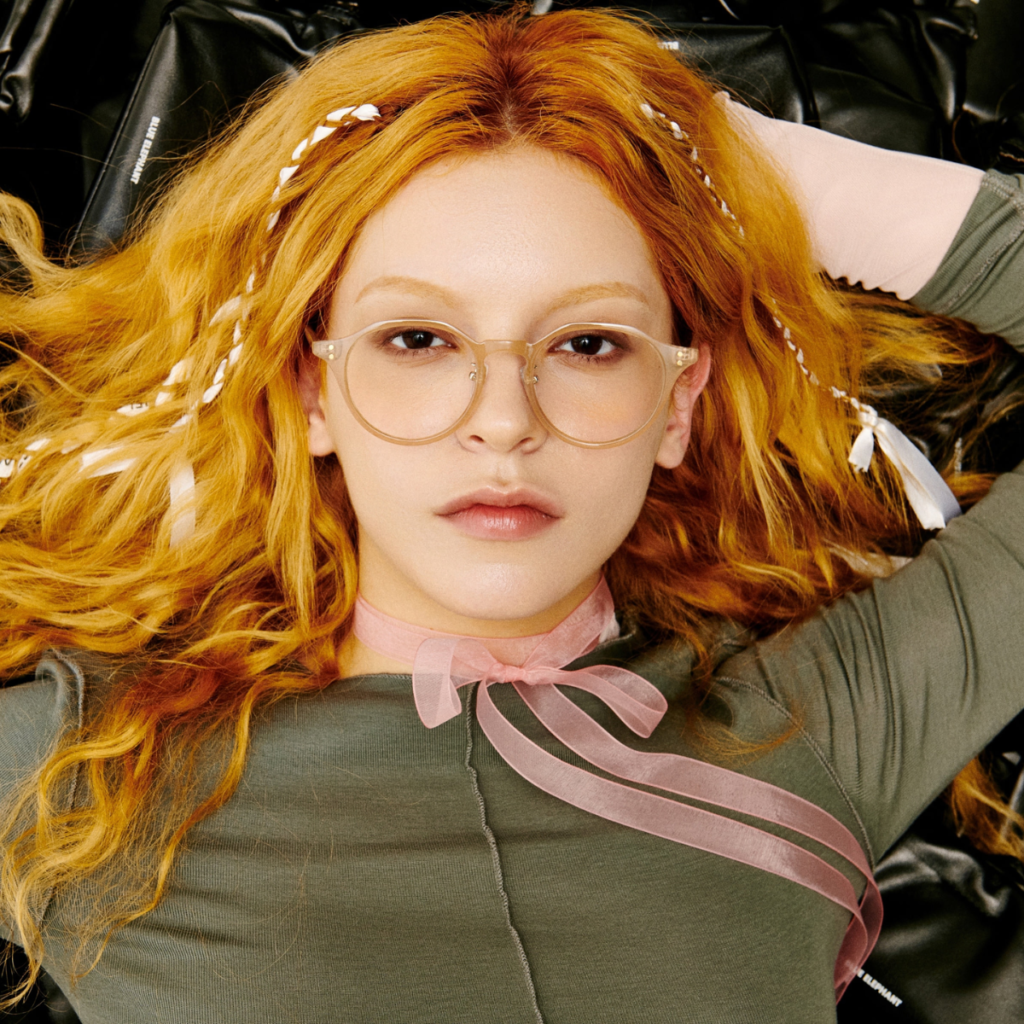
Image: Blue Elephant
Rieti, with most frames priced around $60–120, positions itself around effortless, everyday wearability rather than statement design. Available through retailers such as Musinsa as well as its own stores, the brand reflects a specific consumer preference for glasses that complement multiple outfits rather than define a single look.
Muut (approximately $70–140), Neoteria (around $80–140), and Double Lovers (roughly $50–90) each serve slightly different aesthetics within the same accessible-design space. Muut tends toward minimal, architectural frames, while Neoteria and Double Lovers lean into trend-driven silhouettes, including vintage-inspired shapes and softer proportions that have characterized Korean fashion in recent seasons. Carin, whose frames generally retail between $80 and $150, sits a step above the others, offering more refined materials and optical expertise while remaining well below Gentle Monster’s typical price range.
Although each brand has its own visual identity, many share a retail philosophy that traces back to Gentle Monster. Their offline stores are designed less like traditional optical shops and more like contemporary fashion boutiques. Minimal interiors, sculptural displays, carefully curated lighting, oversized mirrors, and editorial-style merchandising encourage visitors to browse, try on multiple frames, and spend time in the space. The shopping experience itself has become part of the product, making these stores destinations that consumers are just as likely to visit for inspiration as they are to purchase a new pair of glasses.
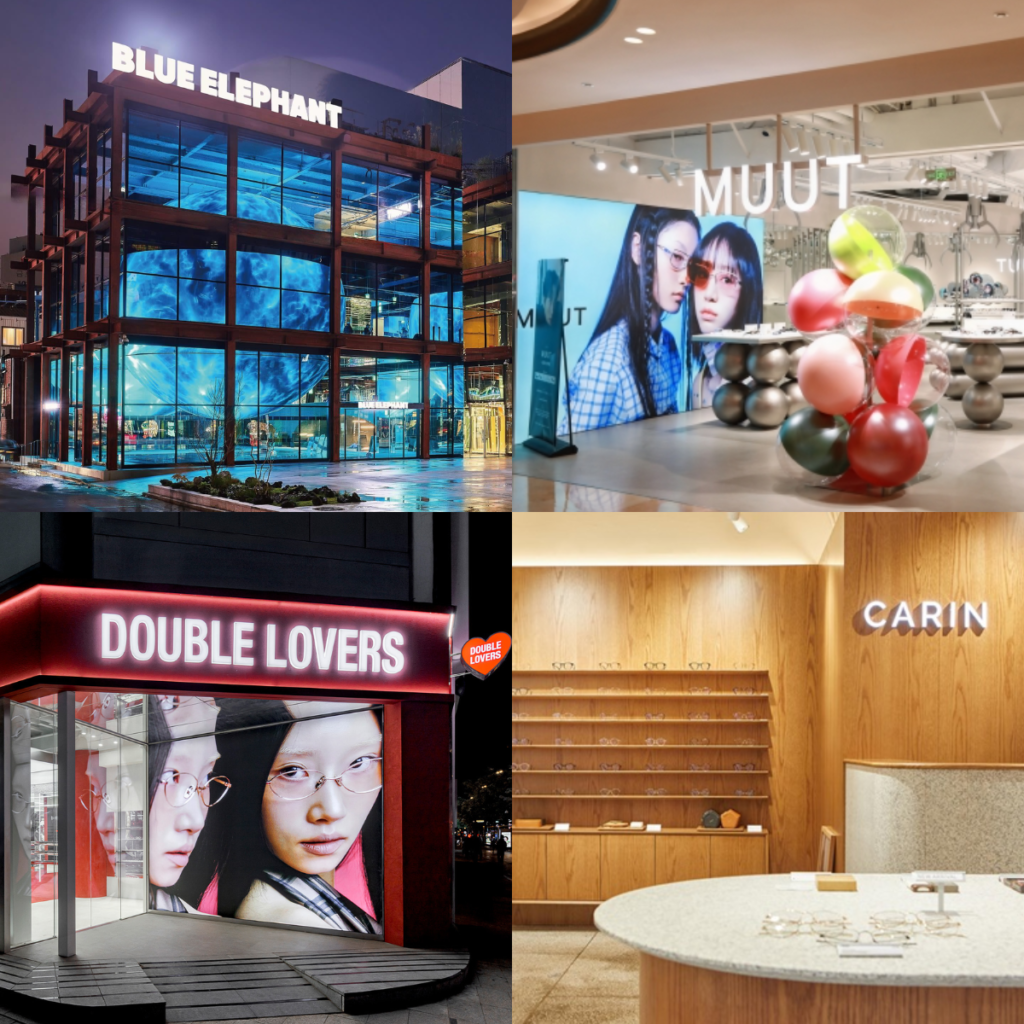
Image: NOL World, MUUT, Double Lovers, TENANT News
Glasses as a Fashion Category
The more significant shift behind this wave of brands is that Korean consumers are increasingly treating eyewear the same way they treat shoes, jewelry, or bags.
Functional eyewear has played an important role in that shift. Blue-light filtering glasses have become common among students and office workers, giving many consumers a practical reason to own more than one pair. Once glasses become part of everyday life at home and at work, purchasing different styles for different outfits or occasions feels like a much smaller leap. Fashion becomes an extension of function rather than a replacement for it.
That means selecting frames to complement an outfit. Choosing lighter, softer tones for a minimal look and bolder silhouettes for something more editorial. Having a pair for everyday wear, a different pair for weekends, another for occasions where the styling is more deliberate. The single versatile frame purchased every few years has given way, for a growing number of Korean consumers, to a small rotating collection chosen with the same logic as any other accessory.
This shift is partly enabled by price. When a well-designed pair of sunglasses costs a fraction of what a Gentle Monster frame costs, the psychology changes. A purchase that once felt like a commitment becomes a seasonal refresh. Buying a second or third pair seems reasonable rather than extravagant.
Different outfits increasingly call for different frames. Minimal officewear, sporty weekend looks, vintage styling, or softer feminine aesthetics each pair naturally with different silhouettes. As Korean consumers became more comfortable treating eyewear like any other accessory, brands responded with broader collections designed around styling rather than necessity.
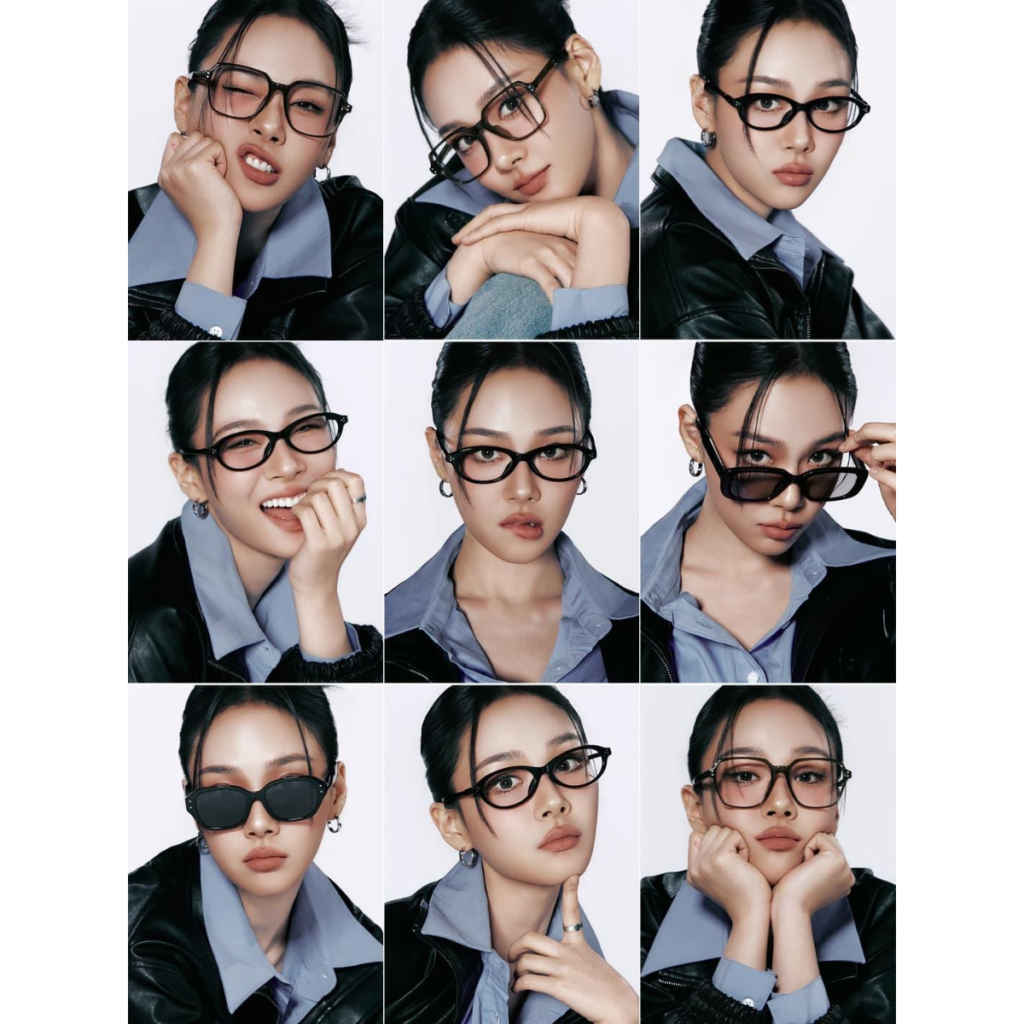
Image: Rieti
Retail Became Part of the Brand
One of Gentle Monster’s biggest contributions wasn’t simply designing better eyewear. It changed what consumers expected from the experience of buying glasses.
Before Gentle Monster, eyewear stores were largely functional spaces. Consumers visited because they needed prescription glasses or sunglasses, chose a frame, completed an eye exam, and left. The shopping experience itself wasn’t particularly memorable.
Today’s Korean domestic eyewear brands have largely adopted a different approach. Whether visiting Blue Elephant, Rieti, Carin, MUUT, Double Lovers, or Neoteria, customers often encounter thoughtfully designed interiors that feel closer to fashion boutiques than traditional optical stores. Clean architectural spaces, carefully curated displays, contemporary materials, and photogenic layouts all reinforce the idea that choosing eyewear should be an enjoyable retail experience rather than a purely practical purchase.
Because these spaces are visually distinctive, they’re also highly shareable. Consumers frequently upload store visits to Instagram, YouTube, TikTok, and Naver blogs, not simply to review the products but to document the experience itself. The store becomes another touchpoint in the brand’s identity.
This is where Gentle Monster’s influence becomes especially clear. These newer brands aren’t copying its products. They’re adopting the broader philosophy that eyewear deserves the same level of branding, storytelling, and physical retail design as fashion or cosmetics. The frame is only one part of the product. The environment, the experience, and the brand image have become part of what consumers are buying as well.
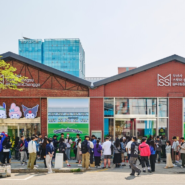
Visitors frequently photograph Gentle Monster’s immersive retail spaces, where the store experience has become as much a part of the brand as the eyewear itself.
Why This Market Matters
The emergence of this tier of Korean eyewear brands is not simply a story about glasses.
It reflects a broader shift within Korean fashion. Consumers increasingly expect good design at every price point. The polarization between functional basics and luxury labels is narrowing as domestically built brands develop the aesthetic sophistication to compete at either end.
Gentle Monster continues to occupy a different position because it isn’t competing primarily on price. It remains the industry’s creative leader, consistently introducing unconventional frame designs, experimental retail concepts, and collaborations that influence the broader market. Many newer brands aren’t trying to replace Gentle Monster—they’re making the category it helped create accessible to a much wider audience. The result is a healthier market where consumers can choose between aspiration, accessibility, and everything in between.
For international eyewear brands operating in Korea or monitoring Korean consumer trends, the standard has shifted. Korean consumers are no longer comparing domestic options only against each other. They are in a market where domestic brands understand current aesthetics, move quickly, and price accessibly. That raises the bar for what any brand needs to deliver to earn genuine attention.
MARKET INSIGHT
Korea’s Fashion Middle Market Is Getting Stronger
The eyewear trend reflects a broader pattern across Korean fashion categories. As domestic brands develop in sophistication, Korean consumers increasingly find compelling options that deliver style, quality, and accessibility simultaneously, without requiring a luxury price.
Rather than trading up to established names, many consumers are trading sideways into well-designed Korean brands that understand current aesthetics more precisely and price more accessibly. For international brands, this changes the competitive frame. The comparison is no longer only with other premium labels. It is with domestic Korean brands that often move faster and read current consumer taste more accurately.
The Next Chapter of Korean Eyewear
The most important story isn’t that Korean consumers have more affordable eyewear brands to choose from. It’s that eyewear has completed its transformation into a genuine fashion category. Gentle Monster changed how people thought about glasses. The brands that followed have changed who gets to participate.
Korea’s fashion market often develops in two stages. First, a premium domestic brand redefines what the category can be and changes consumer expectations. Then, a second generation of brands emerges to make that new standard accessible to a much broader audience. Gentle Monster did the first. Brands like Blue Elephant, Muut, Rieti, Double Lovers, Neoteria, and Carin are now doing the second.
That pattern appears repeatedly across Korean consumer culture. Once a premium category proves consumers value design, experience, and identity, domestic brands rapidly emerge to make that same lifestyle accessible at different price points. Eyewear is simply one of the clearest examples.
For businesses watching Korea, that’s the more useful signal. The opportunity isn’t only to create the next premium brand. It’s recognizing when a premium category has matured enough for a new generation of accessible brands to redefine the middle of the market.
Sources
- Blue Elephant Wikipedia (brand history, founding 2019, 25 global locations, expansion plans, legal context, product positioning): https://en.wikipedia.org/wiki/Blue_Elephant_Corporation
- Musinsa — Rieti brand page (product range, price points, brand collaboration with (G)I-DLE Minnie/Shuhua, Musinsa positioning): https://www.musinsa.com/brand/rieti
- Musinsa — Blue Elephant brand page: https://www.musinsa.com/brand/blueelephant
- Life.iamnobleman.com — “블루엘리펀트 안경 특징 및 추천 모델” (brand characteristics, EDIE model, Suzy endorsement, MZ consumer positioning): https://life.iamnobleman.com/entry/블루엘리펀트-안경-특징-및-추천-모델-매장-위치-완벽-정리Blue-Elephant
- Rounz (라운즈) — Blue Elephant product listings (frame categories, pricing reference, optical options): https://rounz.com/brand.php?brandIndex=1354