

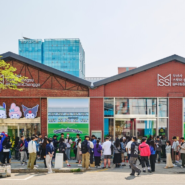
Walk through Seongsu-dong on a weekend and you’ll notice something has changed.
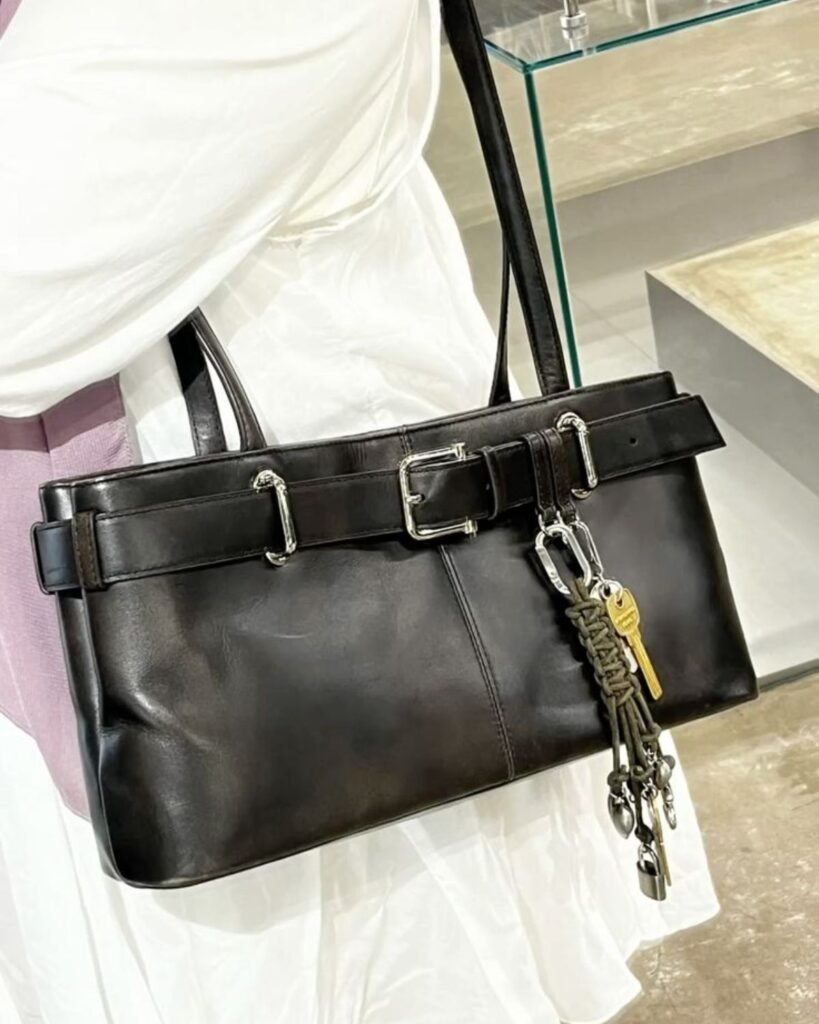
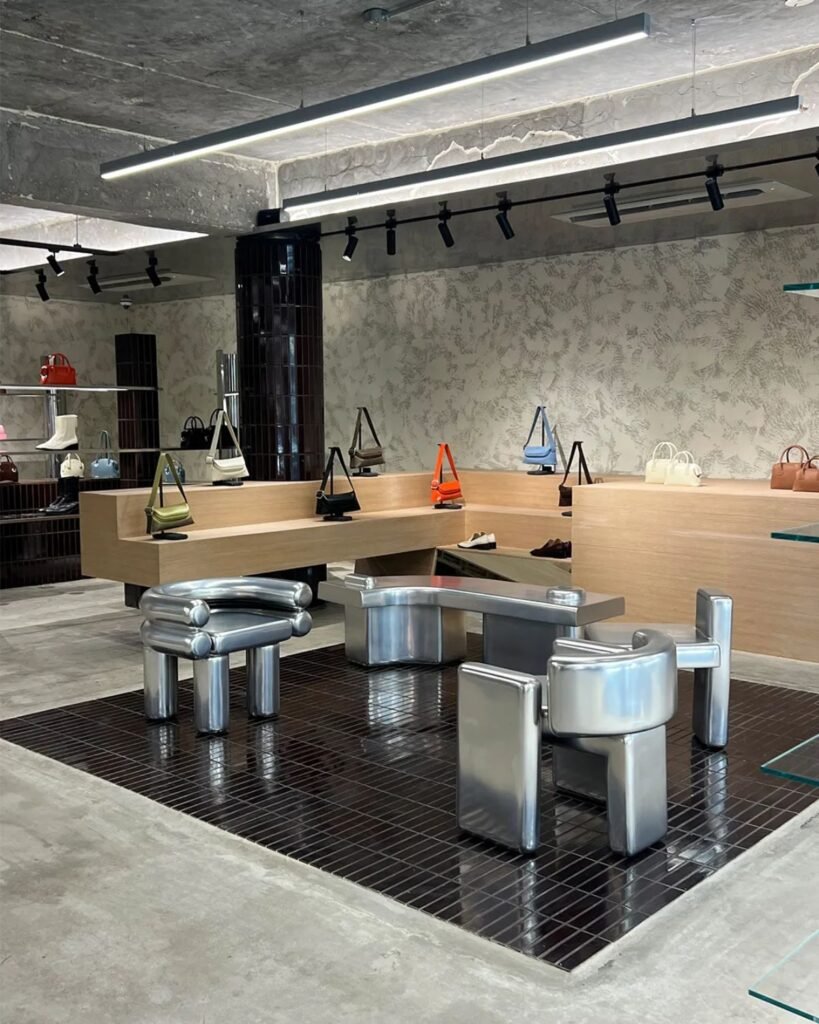
The bags on people’s shoulders are increasingly Korean. They are not counterfeits or generic dupes, but original releases from independent local labels built on distinct design identities, premium leather, and genuine cultural credibility. Five years ago, names like OSOI, Marge Sherwood, Stand Oil, Carlyn, and Archivepke barely registered with international buyers. Today, these independent Korean labels routinely sell out in Seoul, populate celebrity street style, and draw massive crowds to pop-up spaces in New York.
This shift reflects an evolution in consumer priorities rather than a rejection of designer goods. Korean consumers remain as obsessive about design as ever, but their purchasing logic has fundamentally changed. The brands winning their wallets today offer a clear preview of where Korean retail culture is moving next.
What’s Changing
Purely economic explanations frame this shift as a consumer retreat from rising luxury price points. While price inflation certainly played a role, it barely scratches the surface of the underlying behavioral change.
Chanel’s Classic Maxi Handbag has roughly doubled in price since 2020, crossing $15,000. The same bag that was considered an achievable aspiration, the thing you saved for, requested as a wedding gift, or celebrated yourself with after a promotion, now sits at a price point that feels punishing even for high-earners. According to industry reporting, Chanel raised prices five times in 2023 alone. Hermès and Louis Vuitton followed their own upward trajectories. Korean consumer forums on Naver began filling with a specific grievance. Shoppers were not merely reacting to high prices, but pushing back against the perception that legacy houses could increase rates indefinitely while expecting Korean buyers to absorb every hike without question.
High-end luxury remained resilient, as evidenced by Chanel Korea’s record top-line performance. However, demographic data highlights a clear divergence among younger shoppers. Women in their twenties and thirties began reallocating their discretionary spend away from traditional legacy houses and directly into independent Korean brands.
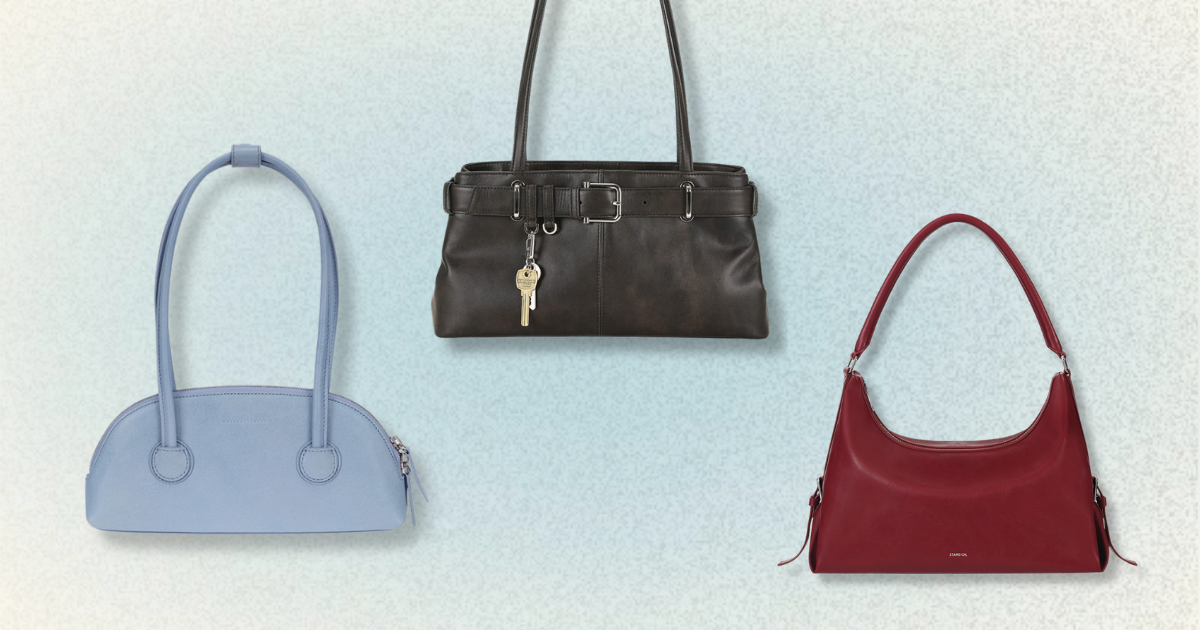
These emerging labels are far from cheap alternatives. Brands like OSOI and Marge Sherwood occupy a tier that commands real investment, while Stand Oil’s Mushy bag has anchored itself as an iconic silhouette across Korea. These still remain deliberate, considered purchases but the core difference lies in the value proposition behind the price tag.
Why It’s Happening
The price story is the surface. Underneath it are at least three more interesting forces.
Logo fatigue is real, and it hit Korean consumers before it hit most other markets.
South Korea ranks among the highest per-capita consumers of luxury goods worldwide. In a market where trend cycles move at an extraordinary pace, desirable items achieve rapid ubiquity. That momentum historically worked in favor of legacy fashion houses, but it ultimately triggered a level of market saturation European brands never anticipated. When enough people carry the same bag, the bag stops doing the thing it was bought to do. A Chanel flap on every other shoulder in Gangnam stops communicating taste and starts communicating something more like habit. The signal collapses under its own popularity.
Korean design has genuinely matured.
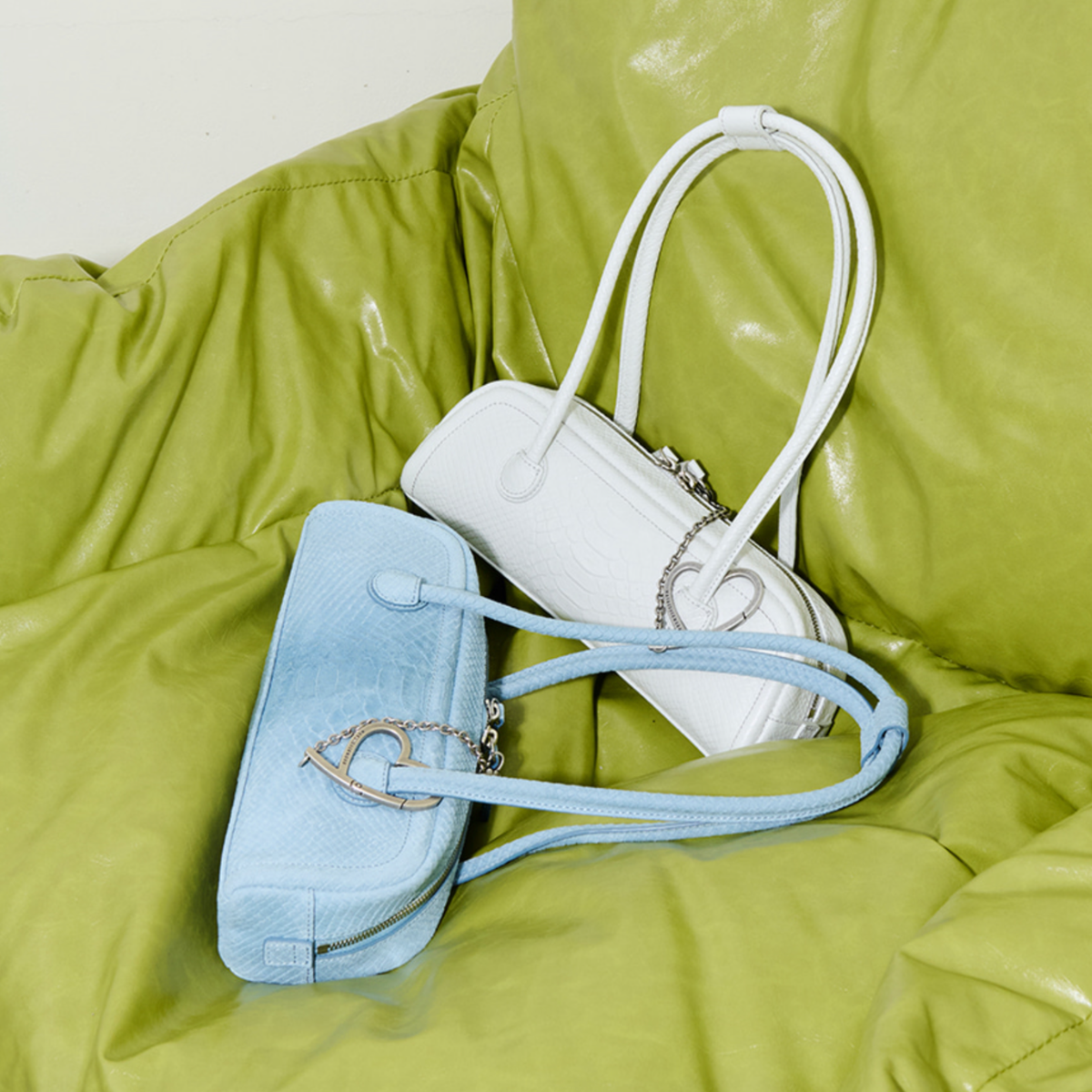
This is perhaps the part that outside observers underestimate. The brands Korean women are choosing aren’t simply affordable. They’re interesting. OSOI, founded in 2016 by designer Kang Hee-jin, exports to 23 countries. Selena Gomez has been spotted carrying multiple OSOI pieces, including the Brocle, a bag with an adjustable metal buckle and clean architectural lines that has become the brand’s most identifiable silhouette. Marge Sherwood’s Bessette circulated on the international fashion set before most people had registered it as Korean. Stand Oil’s Mushy bag has the kind of shape that looks expensive in photographs and comfortable in real life, which, for a daily bag, matters enormously.
These labels are not competing on price. They are competing on design authority, cultural precision, and original identity.
There’s also a values dimension that’s easy to dismiss but shouldn’t be.
Korean consumers in their twenties and thirties, whom researchers and trend analysts have started calling “YONO” consumers (a shorthand for buying fewer things with more intention), are increasingly asking what a purchase says about them beyond its price tag. The international expansion of MARHEN.J across Southeast Asia relies heavily on its vegan, eco-conscious identity. Rather than relying on traditional aspirational branding, the label capitalized on a fundamental behavioral shift among younger consumers who prioritize personal alignment and material integrity over legacy status symbols.
A luxury handbag always served a social purpose, signaling taste, status, and insider access. Modern Korean labels now execute that same task far more effectively. Supported by K-pop, K-drama wardrobing, and Seoul’s status as an international design hub, domestic brands carry genuine cultural weight. Carrying them communicates something specific, relevant, and contemporary, making the product a direct beneficiary of Korea’s broader cultural expansion.
What This Says About Korean Consumers
What’s happening with bags is a specific expression of a broader shift in how younger Korean consumers think about identity.
The previous generation built identity through brand association: the right label meant you belonged to the right tier. The current generation is more interested in curation. They mix brands or they buy secondhand. But specifically, they spend significantly on items that feel genuinely personal and hold back on items that feel performative.
This doesn’t mean Korean consumers have become anti-luxury. What it means is that luxury has to earn its place again. Watches and jewelry are still growing strongly in Korea, in categories where the product itself justifies the price and where the design doesn’t date the way a fashion bag does. Rolex Korea posted 24.6% revenue growth last year. Tiffany had its best-ever performance. The high-net-worth Korean consumer is still spending. They’re just making different decisions about where.
Carrying an OSOI bag is not an admission that Chanel was out of reach. It is a deliberate assertion of taste. It tells the world that the buyer considered heritage luxury and deliberately opted for something more relevant.
What We’re Watching Next
The Korean bag brands making moves internationally now are almost certainly ahead of a larger wave. As K-fashion’s gravitational pull strengthens and the appetite for Korean aesthetics among younger Western consumers deepens, the brands that built their design identity in Korea over the last decade will benefit.
Whether they can scale without losing the specificity that made them compelling is the real question. That tension, between growth and the particular quality of being a Korean brand, is what we’ll be watching.
Looking at Your Brand Strategy
Uncovering the hidden signals in Korean consumer culture requires looking past surface-level trends. If you are exploring how Korean market shifts, consumer behavior, and category movements can open new opportunities for your business, Siseon works with global teams to turn these observations into strategic advantage.
To discuss custom research, field intelligence, or strategic advisory for your team, connect with us directly at hello@siseonhq.com or fill out the contact form.
Sources
- Fashionista — “The Next ‘It’ Handbag Brand Will Probably Be From South Korea” (June 2025): https://fashionista.com/2025/06/stand-oil-marge-sherwood-osoi-korean-handbag-brands-expansion-united-states
- Seoul Economic Daily (영문) — “Chanel Bag Small Size Tops 10 Million Won” (April 2026): https://en.sedaily.com/finance/2026/04/02/chanel-bag-small-size-tops-10-million-won-as-luxury-brand
- Seoul Economic Daily (영문) — “Luxury Price Hikes Drive Korean Consumers to Resale Market” (February 2026): https://en.sedaily.com/finance/2026/02/12/luxury-price-hikes-drive-korean-consumers-to-resale-market-20260212
- Korea Times — “Chanel loses appeal among Korean consumers due to steep price hikes” (February 2023): https://www.koreatimes.co.kr/business/companies/20230213/chanel-loses-appeal-among-korean-consumers-due-to-steep-price-hikes
- Fashionbiz (패션비즈) — “2025 패션마켓 핫이슈 10” (December 2025): https://fashionbiz.co.kr/article/221817
- KT NasMEdia Blog — “2026 명품 트렌드 리포트” (May 2026): https://blog.nasmedia.co.kr/entry/2026-luxury-trend-report-1
- Harper’s Bazaar Korea — “요즘 가장 인기 있는 국내 가방 브랜드 12”: https://www.harpersbazaar.co.kr/article/1880848
- The Fader — “Why you should get obsessed with South Korean accessory brands” (September 2025): https://www.thefader.com/2025/09/10/south-korean-handbag-jewelry-brand-recommendations