


The Professionals Behind the Product
Korean makeup artists have spent decades shaping the beauty looks that consumers want to recreate. Their work sits behind some of the most recognizable faces in Korean entertainment, from actresses and idols to fashion campaigns and editorial shoots.
Today, top Korean makeup artists are stepping out from the salon and taking over the retail floor. Rather than licensing their names to third-party companies, they are building beauty brands, developing products around techniques they use backstage, and even identifying product opportunities through the needs they see while working with celebrities.
This emergence of makeup artist founders is giving rise to a new segment in K-beauty that positions brand identity on professional technique and formulation authority.
The Artists Behind the Look
For years, popular Korean makeup artists operated entirely behind closed doors, creating iconic looks for K-pop stars and top actresses without receiving public recognition outside industry circles.
Social media is now helping to break down those traditional barriers. Idols and celebrities regularly share behind-the-scenes content, giving audiences a closer look at the artists, techniques, and products involved. Makeup artists are also building their own social presence, sharing celebrity close-ups, step-by-step tutorials, and honest product reviews.
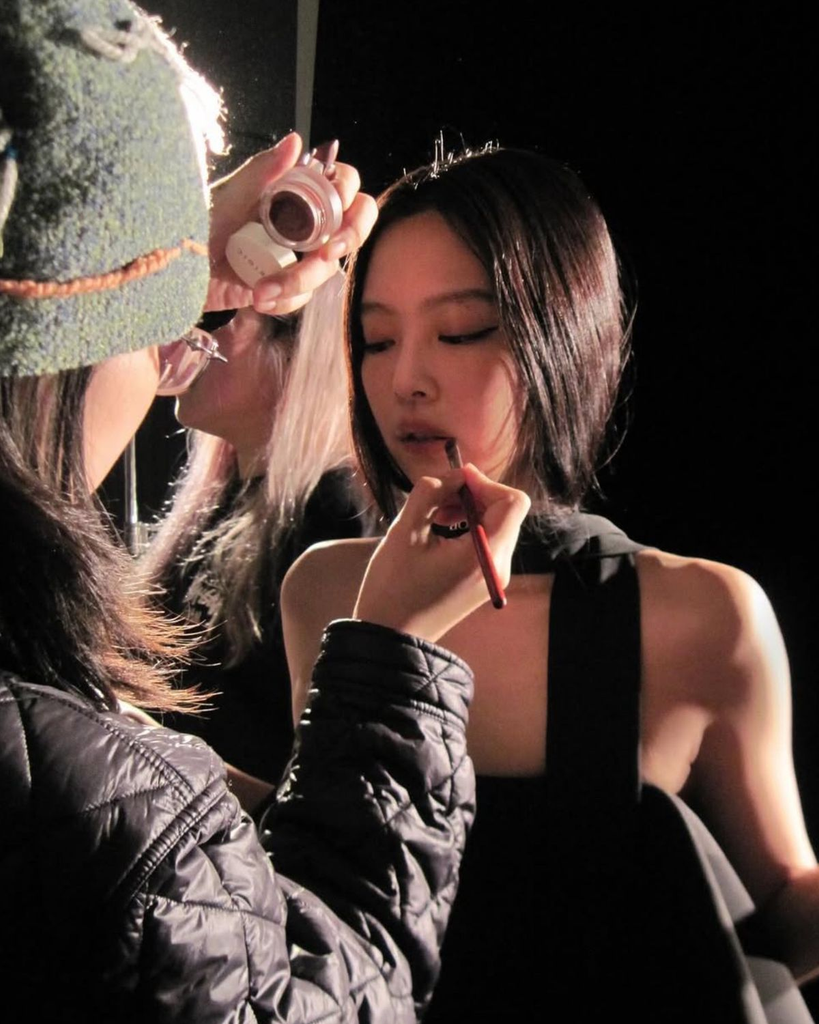
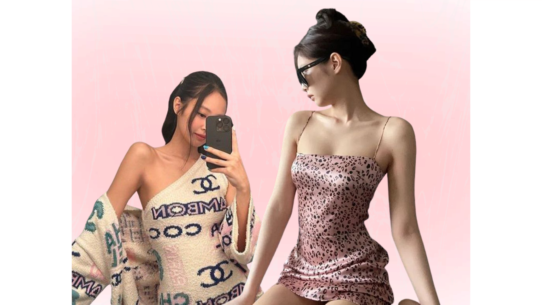
Image: @jennierubyjane
The curiosity behind the makeup artists’ vanity table also gave rise to a new form of content where beauty creators book appointments with celebrity makeup artists to film intimate makeover sessions, getting top artists to break down their techniques and reveal the exact products used for famous entertainment looks.
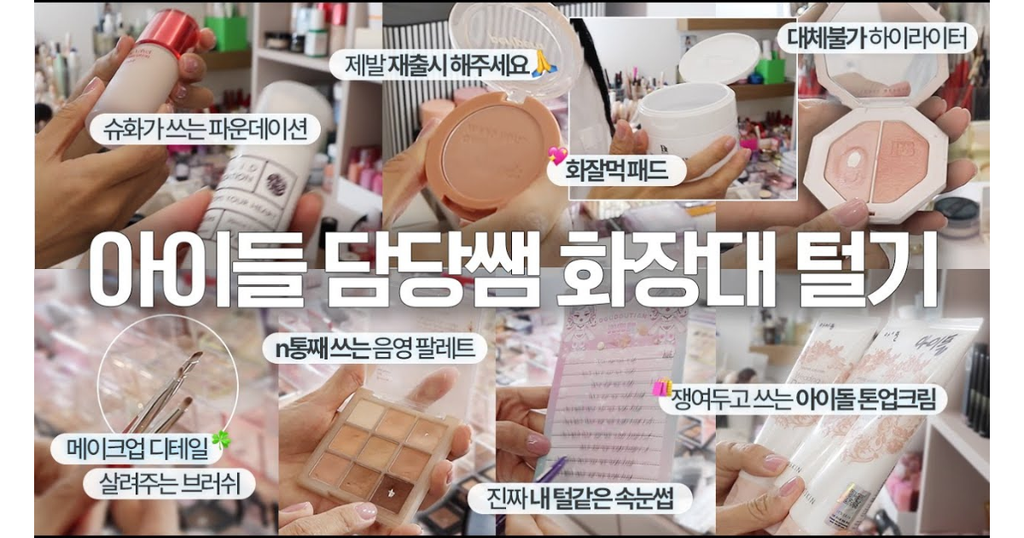
Image: bbomni 뽐니 YouTube Channel
This level of transparency makes professional artists an integral part of beauty content itself. Consumers can instantly discover who created a famous look, learn how to replicate it at home, and shop the exact products used, giving makeup artists a direct relationship to consumers.
When the Artist Becomes the Brand
JUNGSAEMMOOL provided the foundational commercial blueprint for artist-founded beauty brands. Following a two-decade career defined by creating signature skin-focused finishes for high-profile Korean actresses and pop icons, founder Jung Saem Mool transformed her backstage methodology into an enterprise generating ₩110.9 billion in annual revenue, culminating in an expansion across thirty-four nationwide Sephora locations in the United States.
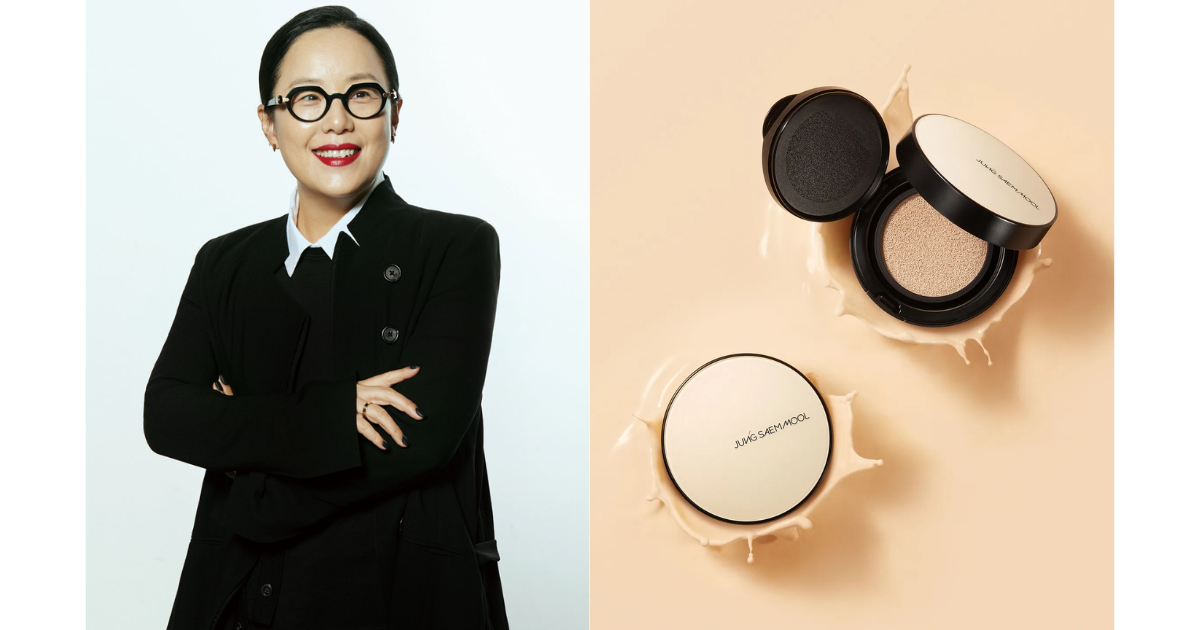
Image: Allure Korea, Jungsaemmool
Recently, a new wave of celebrity artists is proving that the formula still works. Cho Eun-bi, the visionary behind top star makeup studio KITTS, launched AOU to bring the contemporary idol makeup directly to everyday fans. Drawing on her daily work with global icons like BLACKPINK, aespa, and NewJeans, AOU’s Glowy Tint Balm and Floofy Matte Balm sparked instant virality, followed by other bestsellers like the Tone-Up Dazzling Cream and Matte Bar.
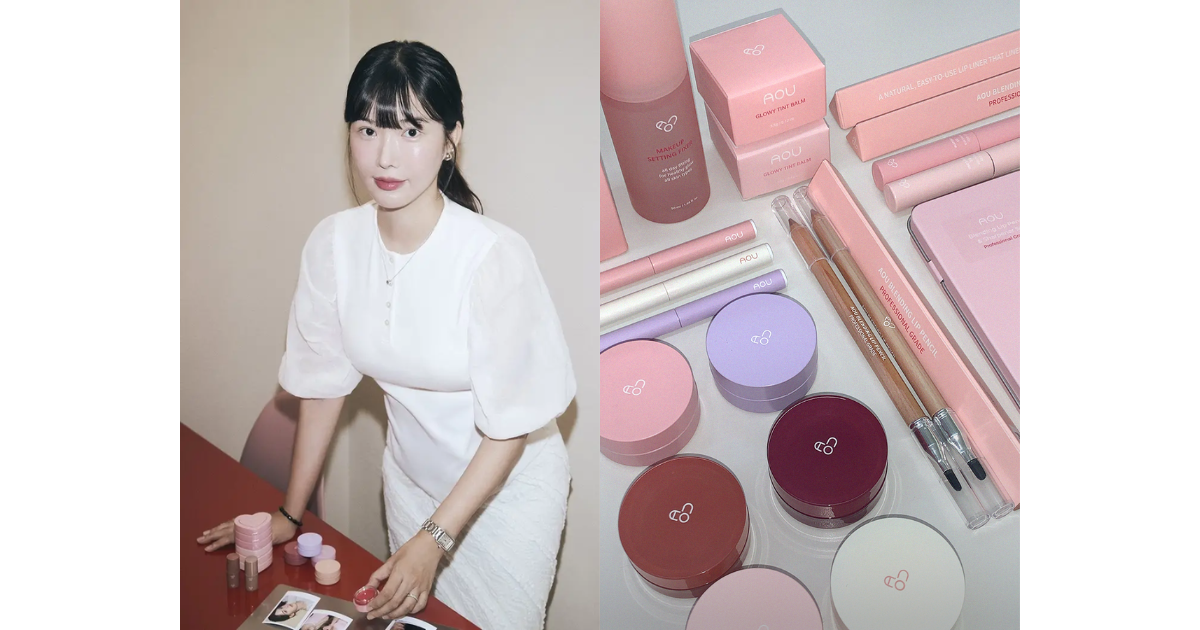
Image: Allure Korea, AOU Cosmetics
The path from JUNGSAEMMOOL to AOU proves that artist-led beauty is far more than a passing trend. JUNGSAEMMOOL demonstrated that an artist’s professional reputation could grow into a major beauty business. And more than a decade later, AOU shows that consumers are still willing to follow the expertise of a makeup artist into a new brand.
From Makeup Technique to Product Insight
Just as AOU develops products around the looks makeup artists want to create for idols, Eseve takes that professional insight into a different category.
Launched in October 2026, the inner beauty brand’s first product, Airy Face Drink, was developed with Jo Eun-bi, head of Cheongdam makeup shop KITTS, drawing on her experience working with idols and celebrities before shoots and important schedules.
Jo Eun-bi participated in developing the drink around a recurring concern she observed among idols, including its ingredients and taste. Formulated as a low-sugar lemon sparkling beverage, the product specifically targets pre-shoot routines and condition management for idols and celebrities before major appearances.
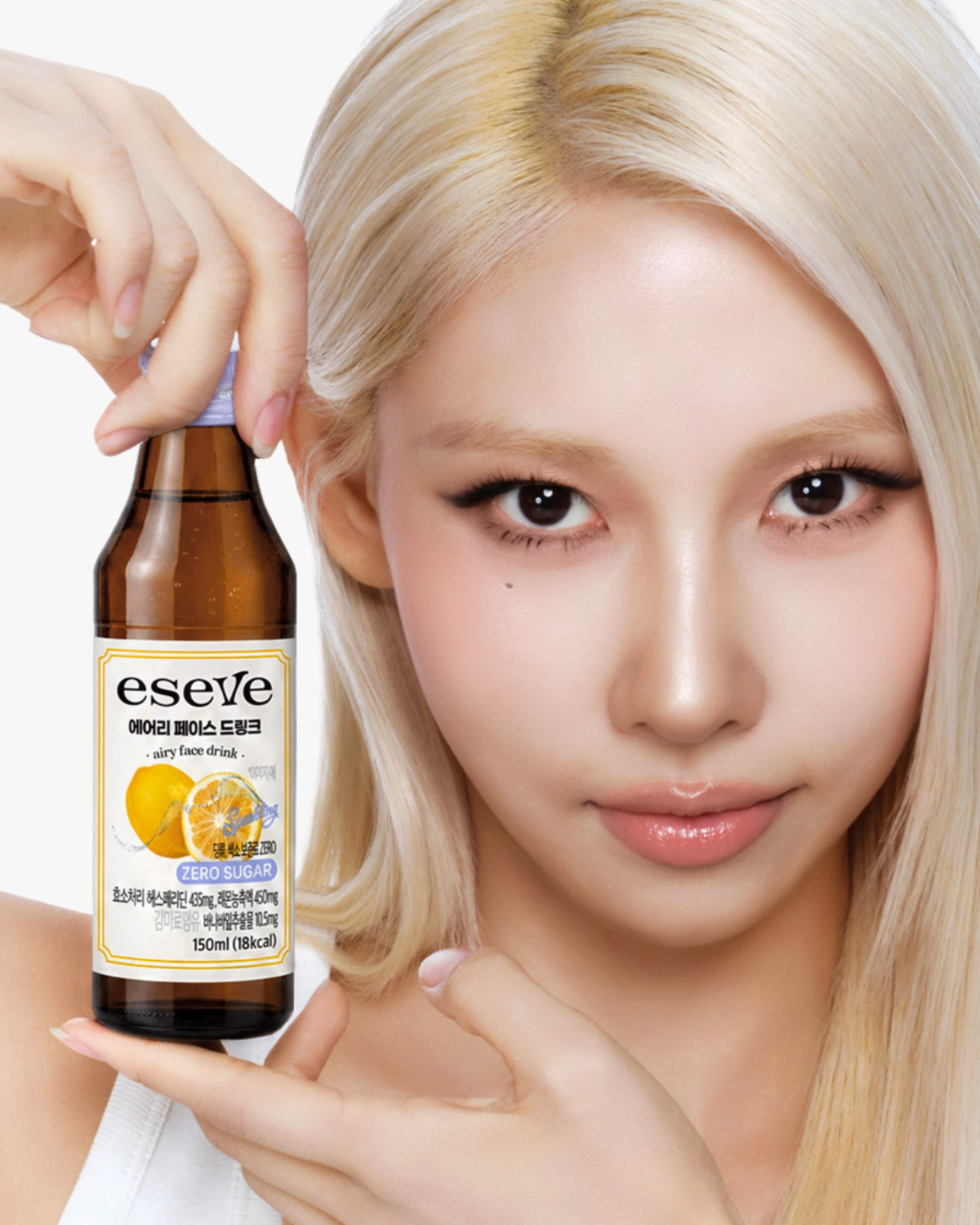
Image: @eseve.kr
While AOU responds to a gap between the looks makeup artists want to create and the products available to create them. Eseve takes a recurring observation from the professional environment and turns it into a new product concept. In both cases, the artist’s firsthand experience becomes the starting point for product development.
This collaboration demonstrates the effectiveness of professional beauty figures as strategic R&D partners. Their proximity to celebrities and idols gives them a close view of needs, routines, and behaviors that may not yet be visible to the broader beauty market. Brands can use that knowledge to develop products around emerging needs before they become established consumer categories, while artists bring firsthand understanding of how those products will actually be used.
The Professional Network
Founding a brand within the professional beauty ecosystem offers an immediate structural advantage through pre-existing industry networks. Celebrity makeup artists operate at the direct center of an interconnected creative web spanning K-pop idols, actors, hairstylists, fashion editors, photographers, and beauty creators.
Products born within this professional sphere launch directly into an environment optimized for organic demonstration and high-visibility usage. Rather than relying on transactional celebrity endorsements, artist-led brands leverage physical proximity and integration into real studio workflows.
Standard beauty startups spend years building industry credibility, courting influencers and industry leaders, and attempting to validate product performance. Active makeup artists arrive with instant authority, demonstrating new products in the very chairs where signature celebrity looks are born every day.
The Artist Becomes the Creator
A new group of beauty professionals is collapsing the distance between content and commerce.
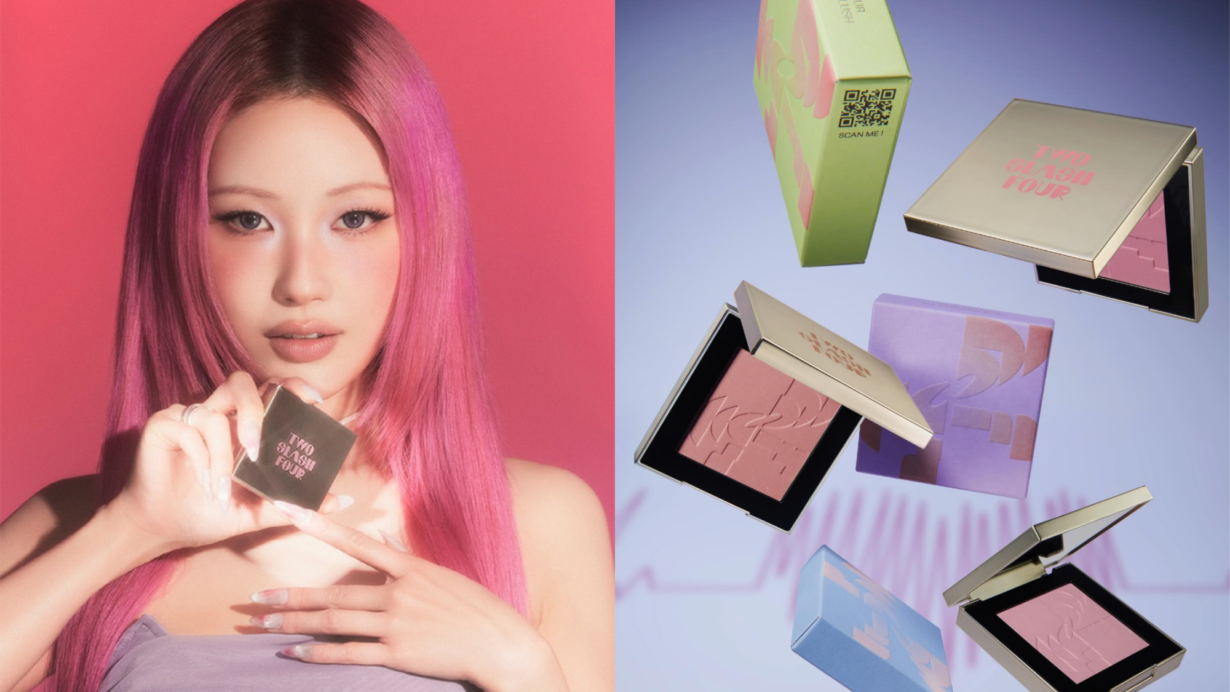
Former broadcasting and salon makeup artist Risabae converted her technical expertise into a YouTube platform with over 2.6 million subscribers. Her brand, TWO SLASH FOUR, integrates product development directly with interactive tutorials that demonstrate specific application methodologies. Reaching financial break-even shortly after launch, the venture generated approximately ₩5.8 billion in 2025 revenue and expanded into 440 Olive Young stores.
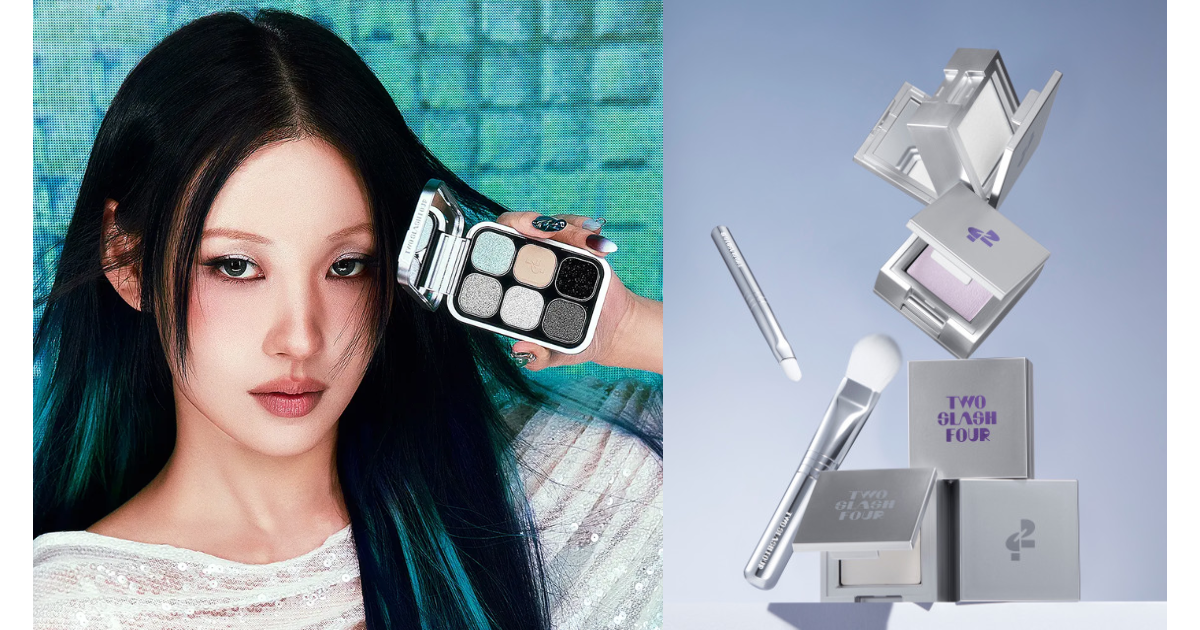
Image: TWO SLASH FOUR
Hairstylist and content creator Kiu applies this model to the haircare category. Drawing on nineteen years of salon experience and 1.6 million YouTube subscribers, Kiu founded ANAZE to commercialize professional styling techniques through specialized tools and formulations.
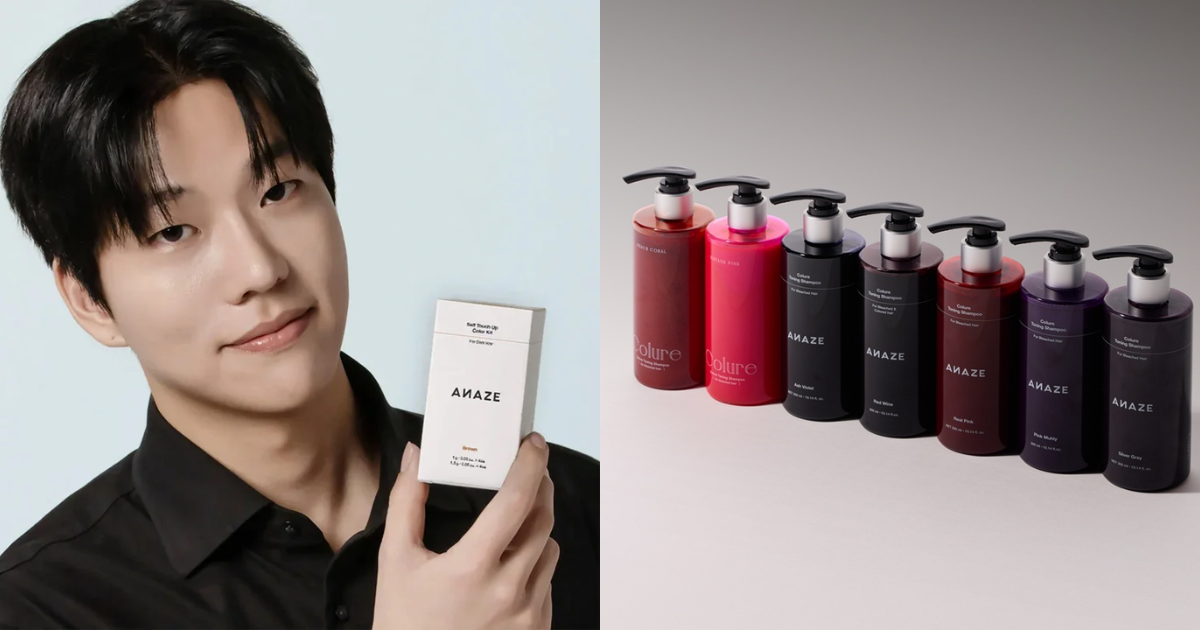
Image: ANAZE
The commercial loop becomes much tighter when the professional and the creator are the same person. Professional expertise generates authoritative content, content builds audience trust, and trust drives product conversion, positioning the artist as more than a product developer or brand ambassador, but also the primary distribution channel as well.
K-Beauty Gets More Expert-Led
The expansion of artist-led brands highlights a fundamental transition in product development across the Korean beauty market. Working makeup artists combine deep technical knowledge, direct access to high-profile figures, and real-time exposure to backstage concerns. They observe how formulations perform under demanding physical environments rather than relying on controlled laboratory trials or static marketing briefs.
This unique perspective opens multiple pathways to market entry. Professional artists can scale a makeup philosophy into a brand, translate niche techniques into products, or commercialize unaddressed needs through years of working directly with celebrities. They can also share their knowledge through their own platforms while selling the products designed to support them.
Korea’s dynamic F&B industry is applying this exact framework to accelerate its own growth. Top culinary stars and star chefs are joining forces with convenience food brands to create new flavors and products around culinary authority and consumer appeal.
For brands, this represents a strategic evolution in product innovation. Rather than relying solely on conventional R&D and consumer studies, brands can partner directly with professionals who spot emerging needs on the ground and understand real-world application.
While K-beauty has long excelled at rapidly commercializing trends, its next wave of innovation may well stem from the experts driving the behaviors behind them.
Looking at Your Brand Strategy
Korean beauty moves quickly, but the signals behind those shifts can reveal where the market is heading next. Siseon helps global teams understand Korean beauty consumers, brands, categories, and emerging opportunities, and translate those insights into strategic direction.
Explore our Korean Beauty Market Intelligence services, or contact us at hello@siseonhq.com to discuss custom research, field intelligence, or strategic advisory.
Sources
- JUNGSAEMMOOL — Artist & Brand History https://www.jsmbeauty.us/Paper/view/code/page001
- AOU Cosmetics — Official Website https://aoucosmetics.com/
- Korea Times — “Inside Korean makeup studios that craft K-pop idols’ iconic looks” https://www.koreatimes.co.kr/lifestyle/trends/20241113/inside-korean-makeup-studios-that-craft-k-pop-idols-iconic-looks
- Yonhap News — “구다이글로벌, 이너뷰티로 사업 확장…’이세비’ 선보여” https://www.yna.co.kr/view/AKR20261001081400030
- CHOSUNBIZ — “Goodai Global enters Korea’s inner-beauty market with Isevi launch at Olive Young” https://biz.chosun.com/en/en-retail/2026/10/01/WRVP54RZMRDC3AQOZLG5CBC5UI/
- TWO SLASH FOUR — Brand Story https://en.twoslashfour.com/about/story
- News Epoch — “Beauty Creator Risabae’s ‘TWO SLASH FOUR’, Deepening Deficit Despite Top-Line Growth in 2025” https://newsepoch.co.kr/en/news/2026040800004
- ANAZE — Official Website https://anaze.co/
- YesStyle — ANAZE Brand Profile https://www.yesstyle.com/en/anaze-roll-1-0-1-pc/info.html/pid.1138009417
- Korea JoongAng Daily — “‘Culinary Class Wars’ inspires new wave of convenience store collaborations” https://www.koreajoongangdaily.com/business/culinary-class-wars-inspires-new-wave-of-convenience-store-collaborations/12359768
- MK — “GS25, convenience store run by GS Retail, announced collaboration series with star chef Edward Lee” https://www.mk.co.kr/en/economy/11932950
- E-Mart24 / Korea Economic Daily — “이마트24, 손종원·박은영·박효남 셰프 협업…” https://www.hankyung.com/article/202604023747g