


The Clinical Turn in K-Beauty
Korea has already explored almost every corner of the facial skincare shelf. New ingredients, textures, delivery systems, and increasingly specific treatment concepts have created an unusually dense market, leaving brands to search for opportunities beyond the familiar serum-and-cream cycle.
Meaningful formulation breakthroughs require substantial capital and years of laboratory research. Unwilling to bear those costs, many beauty companies expanded horizontally into body, scalp, and hair care, translating established facial skincare expertise into less crowded personal care categories.
A smaller subset of market innovators chose to align directly with clinical dermatology and research. This convergence created the ideal conditions for dermacosmetics to grow, offering science-backed products that met the standards of highly sophisticated consumers.
But the category was still being built. Compared with the enormous assortment available across mainstream Korean beauty retail, dermacosmetics remained relatively narrow.
To find truly specialized formulas, consumers turned to an environment already rooted in clinical health, targeted treatments, and professional expertise. The neighborhood pharmacy quickly became that primary destination.
The Search for More Specialized Skincare
Pharmaceutical companies laid the foundation for Korean dermacosmetics over decades. Neopharm pioneered hospital-grade skin barrier care with ZEROID in 2002, Dong-A Pharmaceutical launched FATION in 2019, and PharmaResearch translated regenerative medicine into consumer routines with REJURAN Cosmetics in 2017. These early movers proved that clinical authority could command strong consumer trust.
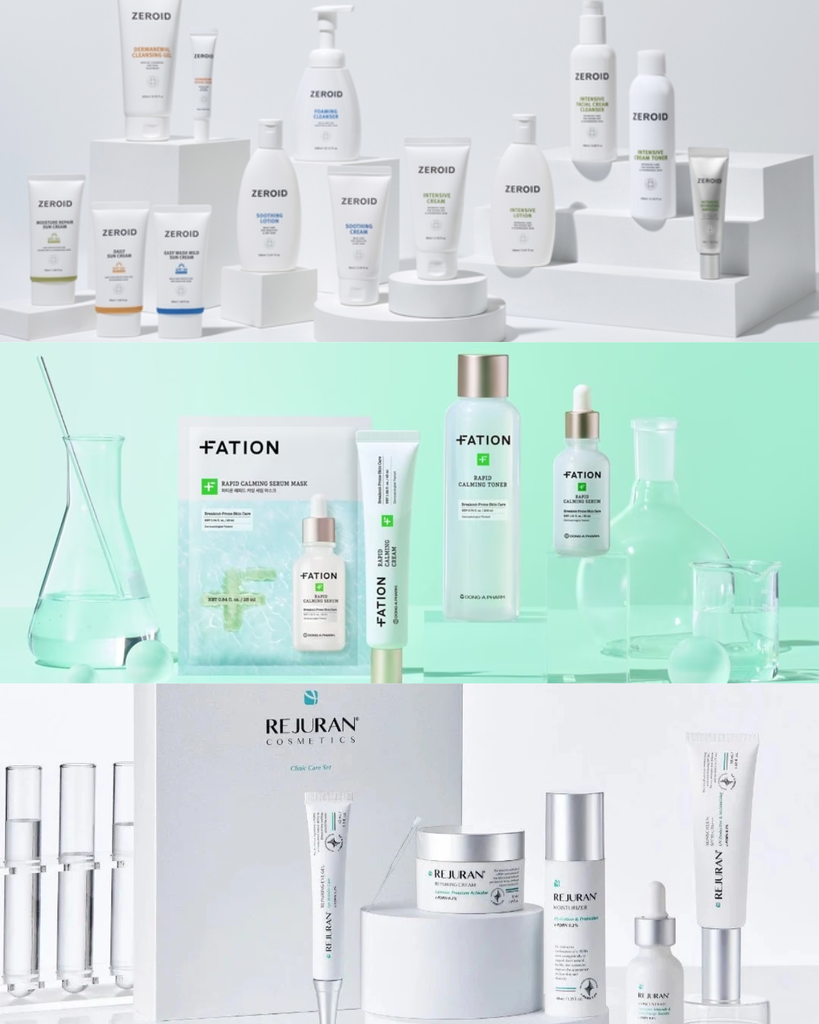
Image: ZEROID, FATION, REJURAN Cosmetics
Yet the initial wave of clinical skincare was very limited. Korean consumers were accustomed to comparing products across ingredients, concerns, textures, functions, and price points. Early dermacosmetics offered too few SKUs to satisfy that demand for endless discovery.
With an expansive inventory of OTC topical formulas, targeted treatments, and on-site professional consultation, the pharmacy quickly transformed into Korea’s go-to channel for clinical skincare.
From Pharmacy to Beauty Destination
Baropharm launched its Pharmacy Beauty Zone in July 2026, creating dedicated K-beauty and dermacosmetic retail sections inside pharmacy layouts. The shop-in-shop concept scaled rapidly, reaching 100 locations within its first month and expanding to 200 by September 2026, with participation from major brands including VT, isoi, Genabelle, and Dr. Melaxin. Baropharm targets a network footprint of 1,000 pharmacy sites by year-end.
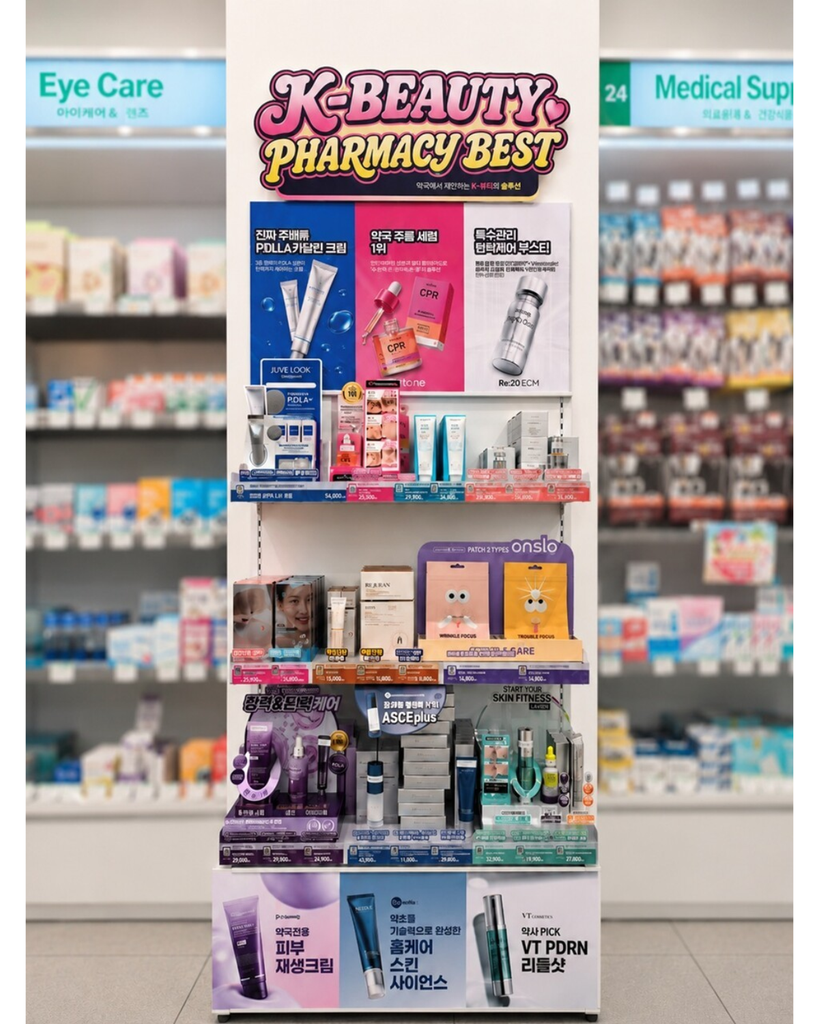
Image: Baropharm
Musinsa amplified this structural model on a larger retail scale. The flagship Musinsa Beauty standalone store in Hongdae dedicates an entire floor to a partnership with Onnuri Pharmacy. The integrated space merges general pharmaceutical products with clinical skincare lines, employing on-site pharmacists to deliver targeted advice across dermatological concerns including acne, barrier irritation, and scalp health.
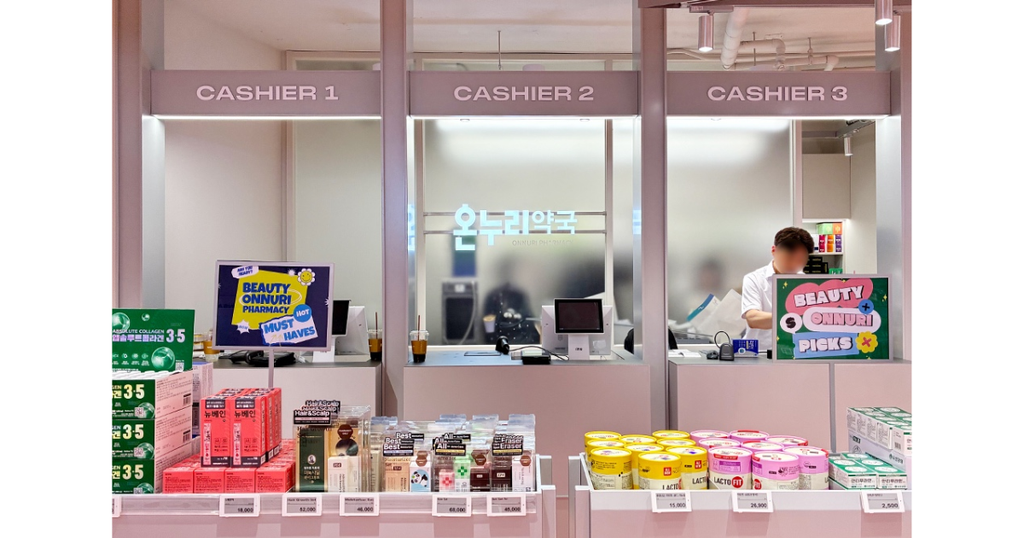
Image: Fashionbiz
The entire retail ecosystem is shifting away from passive shelf browsing toward clinical consultation, targeted problem-solving, and functional wellness. In turn, traditional retail pharmacies adapt their visual merchandising and commercial models to capture beauty consumer traffic.
Foreign Shoppers Discover K-Pharmacy
International visitor spending is accelerating the expansion of pharmacy-based skincare. Across Myeongdong’s bustling shopping corridors, traditional pharmacies are transforming into multi-story beauty stores engineered for global travelers. Equipped with multilingual consultations, multi-currency payment terminals, and tax-free shopping counters, these locations put clinical dermacosmetics front and center.
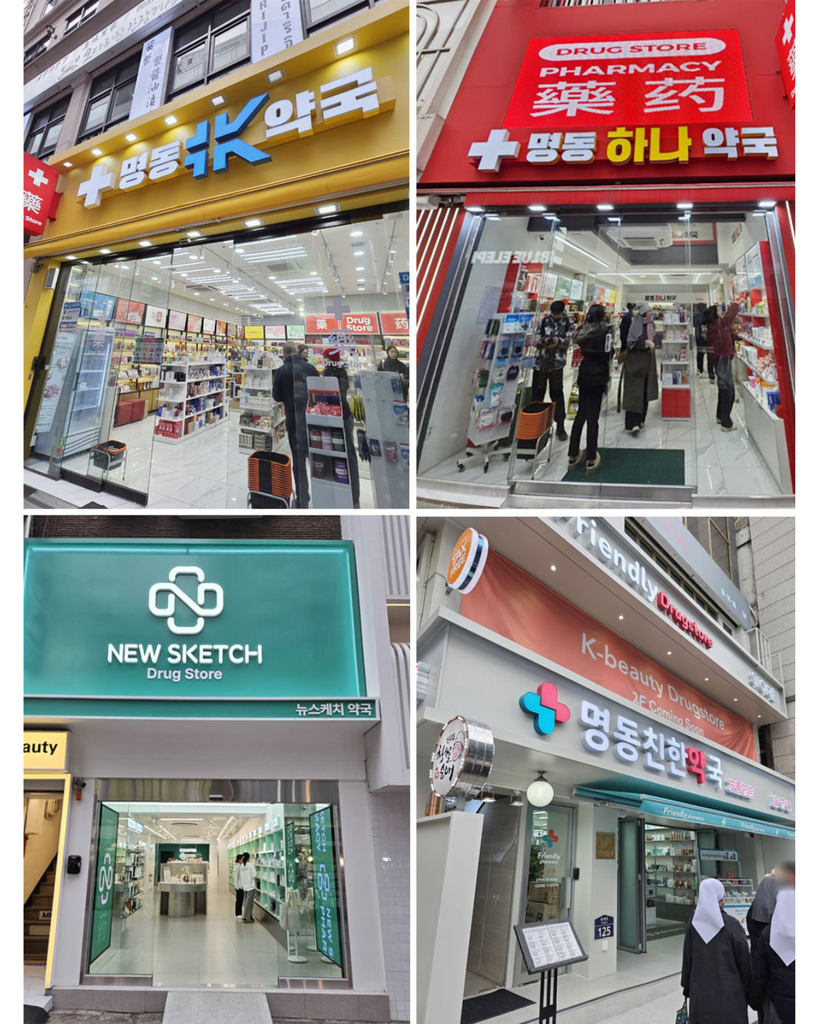
Image: Dailypharm
The draw for international shoppers is unmistakable. Pharmacy shopping offers a purpose-driven alternative to mainstream store browsing, encouraging travelers to look past flashy packaging and seek targeted formulas for real skin conditions.
This shopping habit syncs effortlessly with how global beauty lovers plan their trips. Viral clinical skincare saved on social media apps quickly are added to future shopping lists, leading travelers directly to pharmacy shelves when they land in Korea.
Social media is helping turn pharmacy shopping into a planned part of the K-beauty experience, with creators highlighting products and pharmacists providing recommendations.
Retail pharmacies have firmly joined the essential K-beauty tourism itinerary. Operating alongside Olive Young flagships, luxury department stores, specialized select shops, and aesthetic dermatology clinics, the pharmacy now represents a must-visit destination for serious skincare enthusiasts.
K-Beauty Moves Into the Pharmacy
The pharmacy is beginning to influence not only where products are sold, but what kinds of products are being created for the channel.
Pharmaceutical manufacturers lead one side of this product evolution. Hanmi Science built PRO-CALM as a pharmacy-only line, stocking its hero EGF Active Vital Cream across a staggering 11,000 drugstores before expanding its EGF technology into targeted body care for rough, stressed skin. Dongkook Pharmaceutical executed a similar strategy with Madeca Pharmacia, utilizing its proprietary TECA technology for pharmacy-exclusive formulations while rolling out custom beauty corners in over 200 locations.
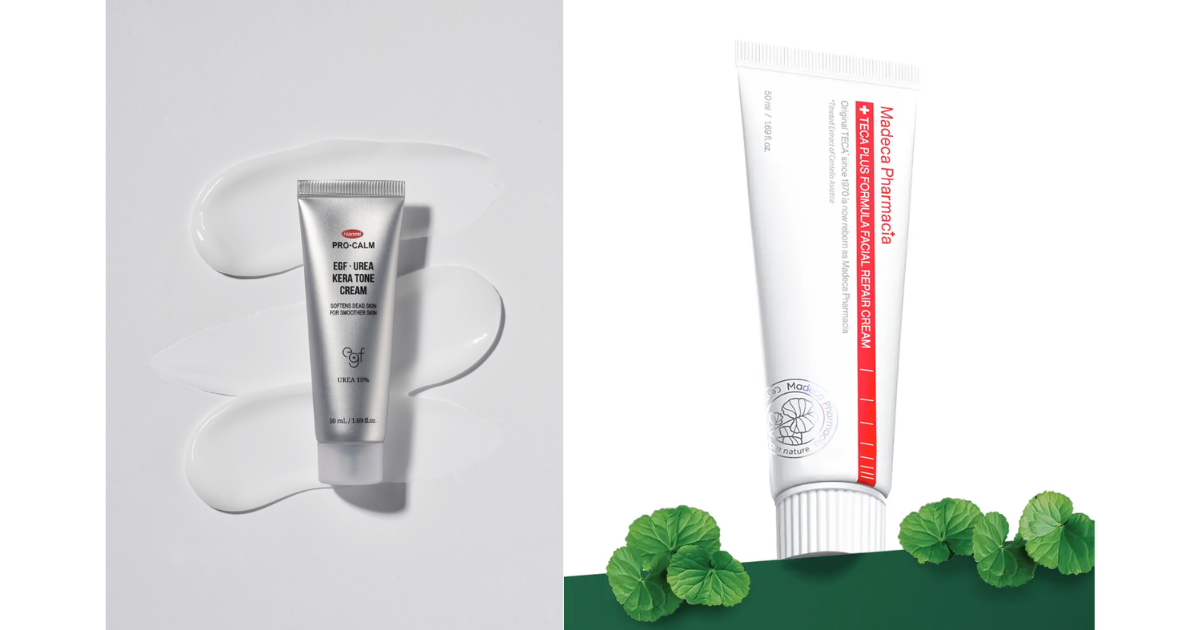
Image: PRO-CALM, Madeca Pharmacia
At the same time, popular K-beauty names are racing into the clinic. Brands like VT and d’Alba are creating custom product ranges engineered strictly for pharmacy counters, prompting platform partner Baropharm to expand its exclusive brand roster to keep up with demand.
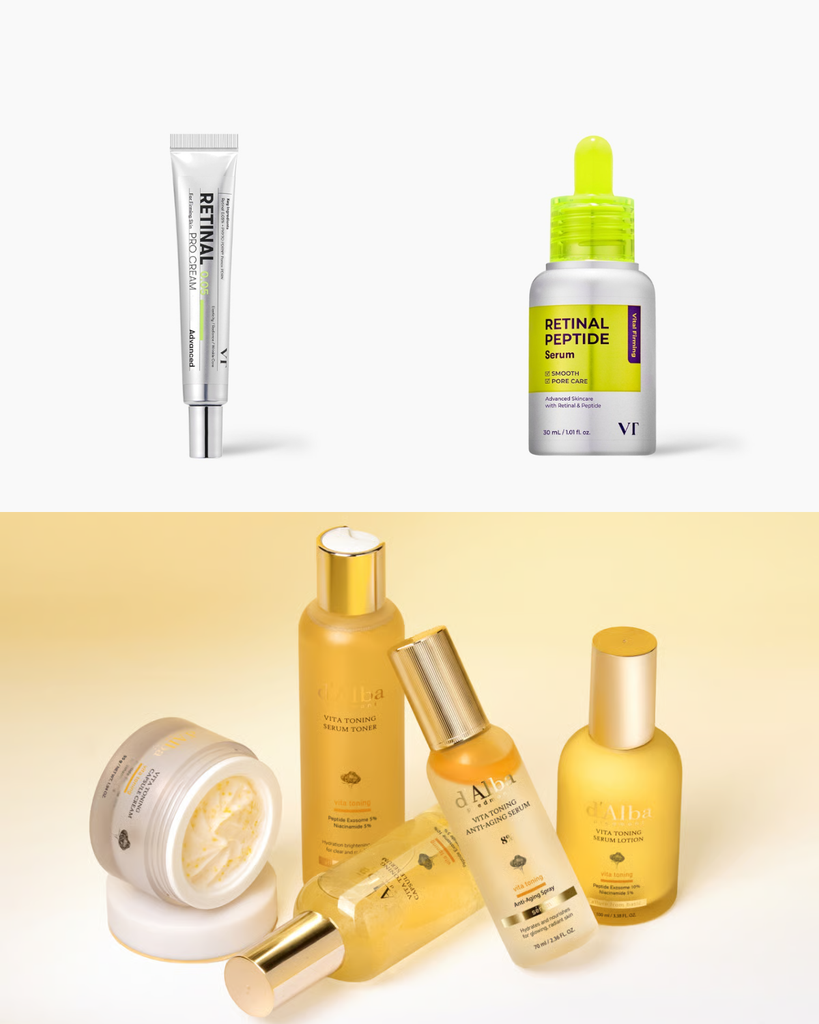
Image: VT, d’Alba
The result is a dynamic two-way race for market dominance. Pharma giants translate clinical R&D and patented actives into consumer-ready cosmetics, while commercial beauty brands adapt their product lines and distribution strategies specialized, health-first retail environment.
When K-Pharmacy Becomes a Retail Model
The ultimate ambition for Korean pharmacy retail extends far beyond the streets of Seoul. Baropharm is already building the infrastructure to bring its Pharmacy Beauty Zone overseas, placing the North American market directly in its sights. The company is pursuing shop-in-shop deals with major international pharmacy chains, laying the groundwork for a North American subsidiary between 2027 and 2028 before rolling the concept out to additional global markets.
This global strategy gives K-pharmacy beauty an engine for long-term growth. As the home market expands, more domestic brands will engineer exclusive clinical lineups for drugstore shelves, while products that succeed in Korean pharmacies gain a fast-track route onto the shelves of international drugstores and global health-and-beauty giants.
At the same time, product development is reaching new levels of sophistication. Skincare consumers today care deeply about ingredients and clinical results, pushing pharmacy beauty to evolve past basic dermacosmetics into advanced specialized formulas, clinical treatment formats, and patented active ingredients engineered strictly for high-efficacy claims.
What is happening in Korea goes beyond a passing retail trend. Seoul is pioneering an entirely new layer of the global beauty industry, one where pharmaceutical science, cosmetic innovation, expert pharmacist consultations, and shopping discovery seamlessly overlap. As this ecosystem grows, Korea’s next big global success story won’t just be another viral skincare product, but the pharmacy beauty shopping experience itself.
Looking at Your Brand Strategy
Uncovering the hidden signals in Korean consumer culture requires looking past surface-level trends. If you are exploring how Korean market shifts, consumer behavior, and category movements can open new opportunities for your business, Siseon works with global teams to turn these observations into strategic advantage.
To discuss custom research, field intelligence, or strategic advisory for your team, connect with us directly at hello@siseonhq.com or fill out the contact form.
Sources
- Baropharm — Pharmacy Beauty Zone
https://corp.baropharm.com/news/133 - Baropharm — Pharmacy Beauty
https://corp.baropharm.com/news/18 - Dong-A Pharmaceutical — FATION
https://www.donga.co.kr/en/business/health - NEOPHARM — ZEROID
https://www.neopharm.co.kr/ko/brand-zeroid.do - NEOPHARM — ZEROID Brand Overview
https://img.neopharm.co.kr/en/brand-zeroid.do - PharmaResearch — Company History
https://www.pharmaresearch.com/en/company/history - Madeca Pharmacia — Official Website
https://madecapharmacia.co.kr/ - VT Cosmetics — Official Website
https://www.vtcosmetics.com/ - Seoul Economic Daily — Musinsa Opens Its First Standalone Beauty Store in Hongdae
https://en.sedaily.com/finance/2026/09/11/musinsa-opens-first-standalone-beauty-store-in-seouls - Seoul Economic Daily — Musinsa Beauty Introduces Pharmacy Concept in Hongdae
https://en.sedaily.com/finance/2026/09/07/musinsa-beauty-opens-pharmacy-in-store-concept-in-hongdae - Seoul Economic Daily — Hanmi Science Expands PRO-CALM EGF Skincare Line
https://en.sedaily.com/technology/2026/08/21/hanmi-science-expands-pro-calm-egf-skincare-line-for - Seoul Economic Daily — Foreign Shoppers Flock to Korean Pharmacies
https://en.sedaily.com/finance/2026/07/18/foreign-shoppers-flock-to-korean-pharmacies-now-premium - Cosmorning — Myeongdong Pharmacies Become Beauty Shopping Destinations
https://www.cosmorning.com/news/article.html?no=52181 - d’Alba — Official Website
https://dalba.co.kr/ - The Bell — Baropharm’s Overseas Expansion Plans
https://www.thebell.co.kr/front/newsview.asp?key=202609181450269200108142