



A single genetic variation in the ABCC11 gene leaves roughly 95% of the Korean population virtually free of body odor. For most of history, the domestic deodorant market simply had no reason to exist.
Today, however, body care represents one of the fastest-growing categories across beauty retailer Olive Young. This commercial explosion is not driven by biological necessity, but by a rapid evolution in how personal hygiene, new fitness routines, and scent identity are defined in modern urban spaces.
What’s Happening
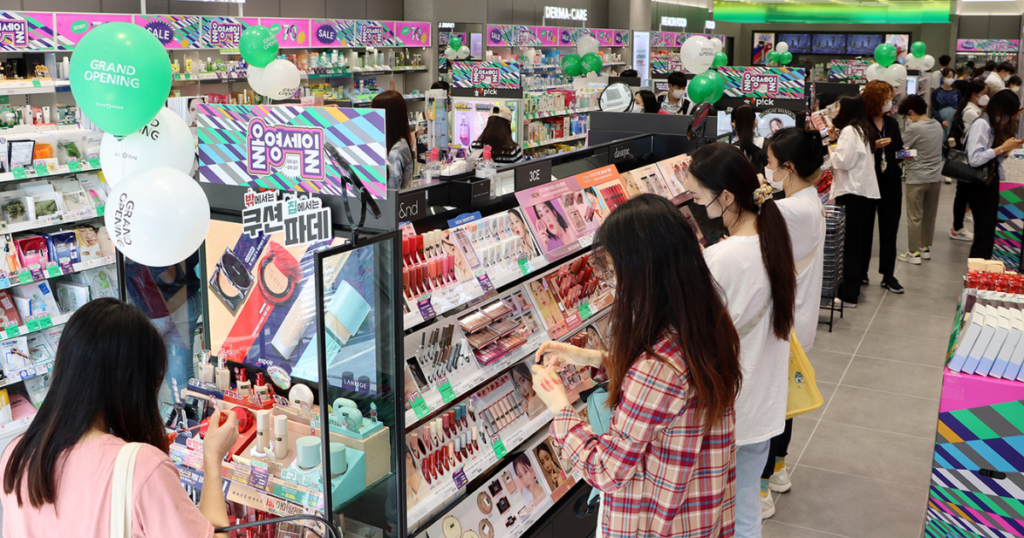
A decade ago, Korean deodorant shelves held little more than a couple of basic imports and specialized medical sprays. Finding a dependable deodorant in Korea was a notorious challenge for expats. Today, that thin selection has transformed into a dynamic, highly competitive segment of the local beauty market.
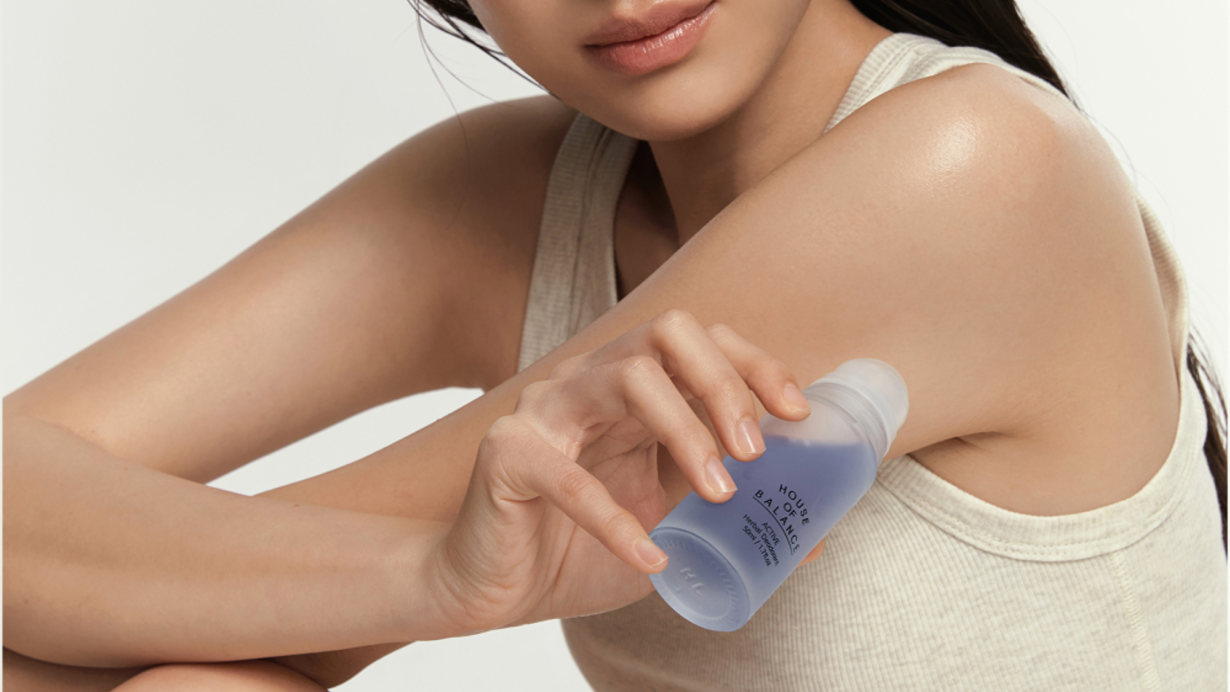
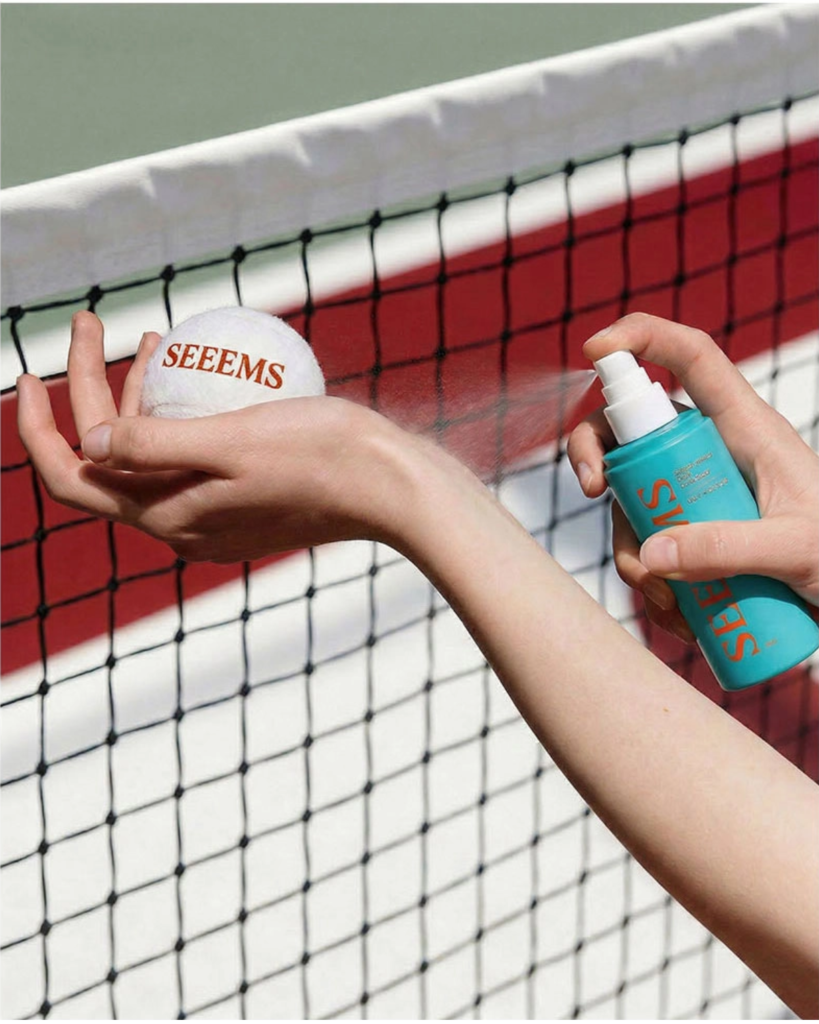
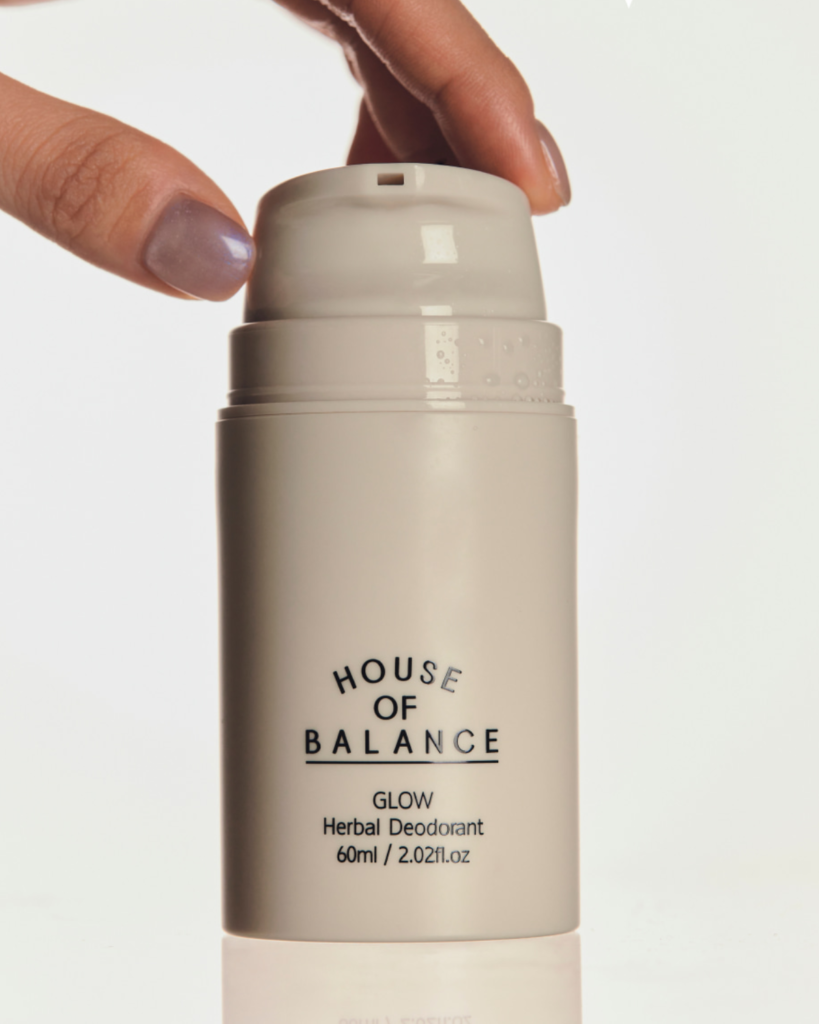
Deodorant now occupies a growing section of Olive Young’s body care aisle, stocked across formats: sprays, roll-ons, sticks, sheet-type wipes, and even patch formats for on-the-go touch-ups. Spray formats dominate the market, aligned with a clear consumer preference for formulas that dry instantly, leave no residue, and preserve clothing. The more compelling shift lies in how the category is expanding, with brands introducing brightening formulas, elevated fragrances, and treatments that approach underarm care as an extension of facial skincare rather than a basic hygiene fix.
Brands active in Korea’s deodorant section now include Nivea (still the biggest name), Gatsby, L’Occitane, and a growing number of Korean-developed formulations that lead with ingredients and skin benefits rather than blocking power. Luxury houses including Dior and Chanel have also introduced deodorant lines aligned with their signature fragrance collections, a development that has found traction in Korea’s premium personal care space.
Industry forecasts project the Korean deodorant market will grow at a CAGR of roughly 4.81% through to 2033. For a category that barely existed in the consumer consciousness here, that’s a meaningful trajectory.
Why It’s Happening
Korea’s summers are getting genuinely brutal.
Olive Young’s 2026 trend report noted that 85% of Korean consumers said they feel the effects of climate change most strongly through summer weather. Seoul’s heat index has risen measurably over the past decade, with record temperatures becoming increasingly common. When it’s 35 degrees Celsius with high humidity, even the ABCC11 gene advantage starts to feel less relevant. More sweating, more time outdoors, and more commuting in heat have moved deodorant from “probably unnecessary” to “actually useful” for a larger slice of the population.
The fitness boom created a new necessity.
The rise of pilates, yoga, and run clubs among Koreans in their twenties and thirties created a distinct ritual that previously had no presence in the market. The post-workout body care ritual is now actively shaping domestic grooming habits. Someone who attends pilates three times a week and runs on weekends now has a context in which deodorant makes obvious sense.
Body care is expanding from the face down.
K-beauty’s most significant recent shift has been the extension of its skincare-first philosophy from the face to the whole body. Exfoliation tools, body serums, and targeted treatments for areas like the neck, hands, and underarms have all grown on Olive Young in recent years. Underarm care fits naturally into this framework. The appeal of a brightening deodorant, one that manages both odor and uneven skin tone, makes complete sense to a consumer already thinking of their skin in zone-by-zone terms.
Fragrance culture is pulling deodorant upmarket.
Korea has developed a genuine and growing fragrance culture over the past five years. Personal scent has emerged as a fundamental pillar of identity for younger Korean consumers. What you smell like is now a deliberate, curated choice rather than a passive afterthought. Deodorant sits logically at the base layer of that system. If you’ve invested in a signature perfume, managing what’s underneath it becomes part of the equation. This is partly why luxury fragrance houses have found receptive Korean audiences for their deodorant extensions, and why the category is developing a premium tier that didn’t exist before.
Why It Matters
For deodorant brands eyeing Korea, the window is open and the consumer is ready. But the entry point matters.
Functional messaging alone won’t drive adoption in a market where the need has historically felt optional. What has traction in Korea is deodorant framed as a skin care product, as a scent management layer, or as a post-workout essential. These framings fit existing consumer behavior rather than asking Koreans to adopt a foreign hygiene logic.
The brightening and underarm care angle is particularly worth watching. Korean consumers already buy products that address hyperpigmentation, dryness, and texture in other areas of the body. A deodorant that also delivers visible skin improvement sits comfortably within that mental model.
For brands already in Korea’s beauty market, the deodorant category represents a low-resistance adjacency. The consumer is increasingly interested. The retail infrastructure to reach them exists. The harder question is not whether to enter, but how to frame the product in a way that resonates rather than feeling like an imported solution to a problem Koreans were never sure they had.
What We’re Watching Next
The most interesting near-term development is the convergence of the fragrance and deodorant categories. As Korean perfume culture matures and more consumers build layered scent routines, deodorant becomes less of a hygiene product and more of a foundational step.
Watch for Korean beauty brands to develop deodorant lines with distinct fragrance identities rather than functional neutrality. The first domestic brand that successfully positions its deodorant as a scent product for a scent-conscious generation will own a new and growing shelf.
Looking at Your Brand Strategy
Uncovering the hidden signals in Korean consumer culture requires looking past surface-level trends. If you are exploring how Korean market shifts, consumer behavior, and category movements can open new opportunities for your business, Siseon works with global teams to turn these observations into strategic advantage.
To discuss custom research, field intelligence, or strategic advisory for your team, connect with us directly at hello@siseonhq.com or fill out the contact form.
Sources
- Namu Wiki (나무위키) — “데오드란트” (cultural history of deodorant in Korea, usage trends, format breakdown): https://namu.wiki/w/%EB%8D%B0%EC%98%A4%EB%93%9C%EB%9E%80%ED%8A%B8
- Spherical Insights — “South Korea Deodorant Market Size, Growth, Price to 2033” (4.81% CAGR projection, format breakdown): https://www.sphericalinsights.com/ko/reports/south-korea-deodorant-market
- CJ Olive Young — “2026 트렌드 키워드 리포트 F.U.L.L.M.O.O.N” (85% of consumers feel climate change through summer heat, wellness and body care trends): https://corp.oliveyoung.com/ko/trend/insight-studio/8
- Market Economy News — “대한민국 뷰티 성지 CJ올리브영이 전망한 2026 뷰티·헬스 트렌드는?” (climate-driven product behavior, multi-format purchasing): https://www.meconomynews.com/news/articleView.html?idxno=125244
- ScienceInsights — “Why Do Some Cultures Not Wear Deodorant?” (ABCC11 gene, Korean genetic context, cultural norms): https://scienceinsights.org/why-do-some-cultures-not-wear-deodorant/
- KOTRA — “자극없이 향기롭게: 홍콩 데오도란트 시장” (luxury fragrance brand deodorant launches, regional Asian market context): https://dream.kotra.or.kr/kotranews/cms/news/actionKotraBoardDetail.do?pNttSn=219344
- Olive Young — Body care / deodorant category page (current Korean deodorant product range and formats): https://www.oliveyoung.co.kr/store/display/getMCategoryList.do?dispCatNo=100000100030012
[…] why this category has expanded so quickly, we’ve explored it in more detail in our article on why deodorants are finally taking off in Korea. The short version is that hotter summers, more active lifestyles, and changing expectations around […]