

The Right Question
Businesses that follow Korean consumer culture tend to do so in one of two ways. Some watch it as a product pipeline: identify what’s popular, figure out whether it can be adapted, move fast. Others dismiss it as a niche market with cultural specificity that won’t translate. Both approaches miss the point.
Korea is interesting not primarily as a source of products or formats, but as a market where consumer expectations shift with unusual speed and clarity. The conditions in Korea (a dense urban population, among the world’s highest rates of smartphone penetration and broadband access, an intensely competitive retail environment, and consumers with high standards and low patience) compress the feedback loop between emerging preference and market response. When a new expectation takes hold here, the market reflects it quickly. That makes the shift visible earlier than in markets where feedback cycles move slowly.
Not every Korean trend becomes a global one. But the underlying behavioral shifts they represent often do.
The more useful frame is not “What is Korea doing that we should copy?” It is “What are Korean consumers revealing about how expectations are changing?”
A Market That Compresses Time
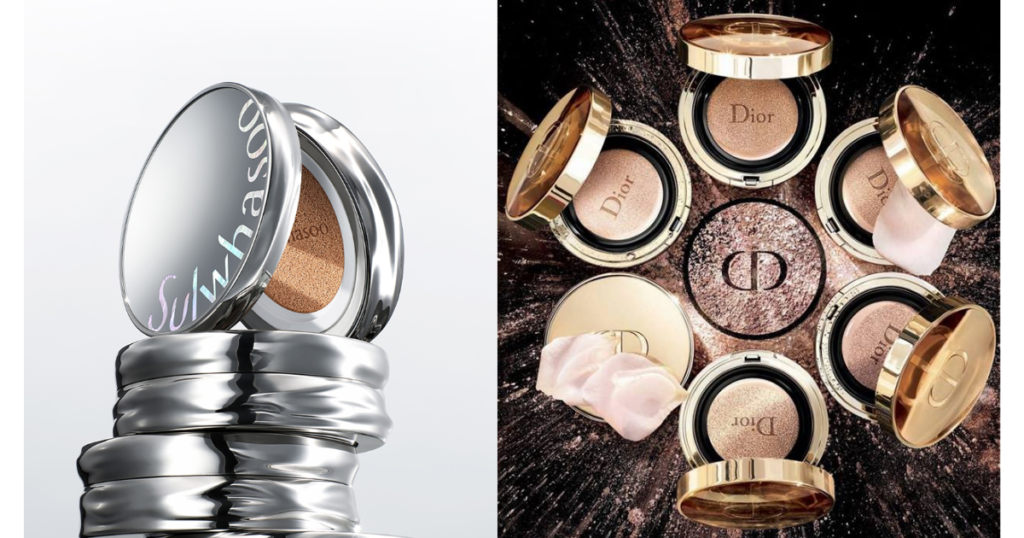
Images: Sulhwasoo, Dior
A market of 51 million people, roughly the size of Colombia, has produced consumer categories that have reshaped global industries. Understanding why tells you something important about how to use Korea as a source of intelligence.
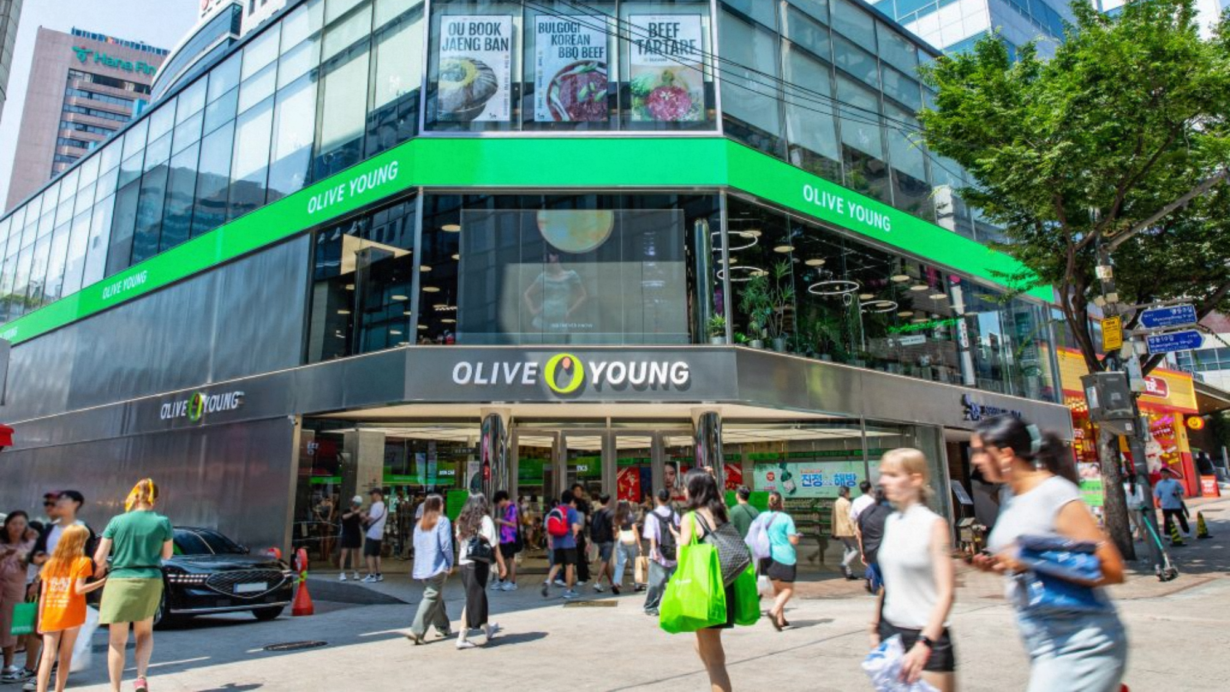
Korea’s retail environment is unusually competitive at every price point. Olive Young, the dominant health and beauty platform, operates over 1,300 stores alongside a sophisticated e-commerce channel with rapid delivery and detailed consumer review systems. Every new product entering this market receives almost immediate public assessment across Naver, YouTube, Kakao communities, and platform reviews. A product that works earns traction in weeks. One that doesn’t disappears just as fast. For brands, this creates an incentive for genuine product quality over marketing spend. For consumers, it creates a norm of being informed, critical, and vocal.
The cushion foundation is the clearest historical example of what this environment produces. Amorepacific began developing the format in 2007, after identifying a specific consumer frustration: that conventional foundation required too many steps, degraded in humidity, and offered no portable SPF. After over 3,600 formulation tests, the product launched in 2008. By 2014, one was sold every 1.2 seconds, with international sales surging 140% year-on-year. YSL, Chanel, Dior, and virtually every other major cosmetics brand now offers a cushion format. A category was built in Korea because Korean consumers demanded it first and articulated it clearly.
The same mechanism is visible in more recent categories. Korean consumers pushed the global sunscreen category toward textures that are genuinely invisible, comfortable, and cosmetically elegant. Korea didn’t develop SPF chemistry first. It normalized a different expectation of what SPF products should feel like to wear daily. Those expectations, once established in this market, began influencing formulators globally. International brands reformulated. Retailers began stocking Korean SPF products to meet demand from consumers who had discovered they performed better.
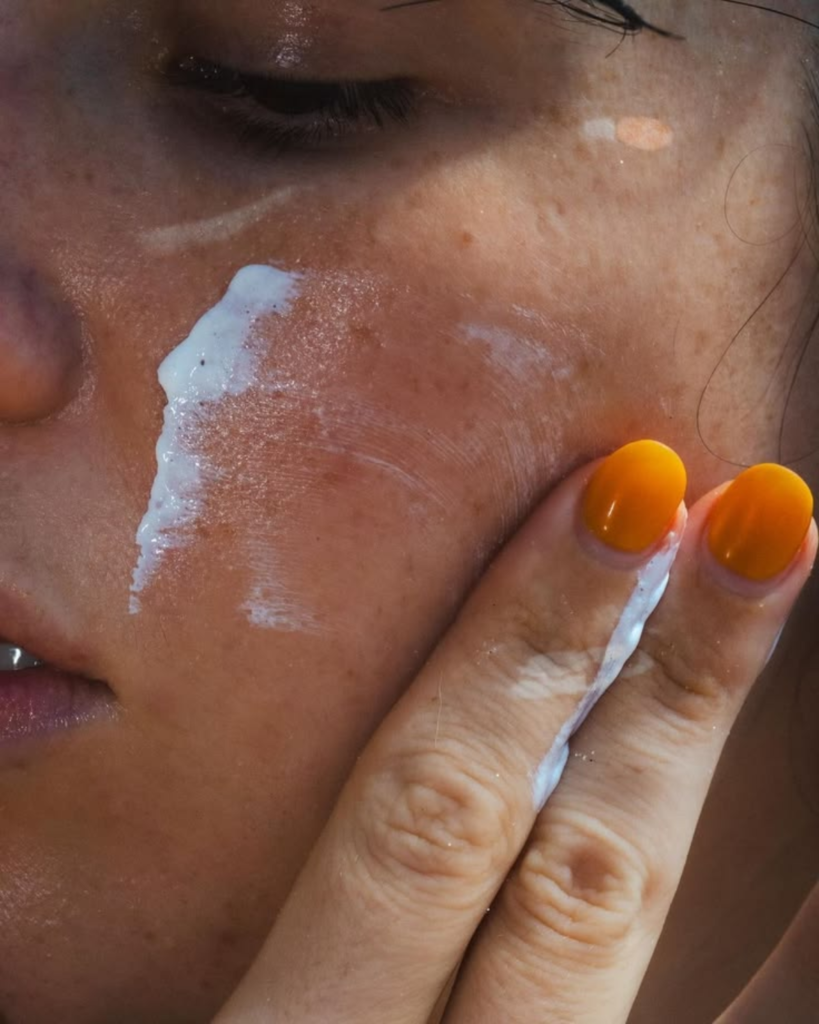
Regenerative skincare represents the most current example. Korea accelerated mainstream consumer awareness of regenerative ingredients (principally PDRN) years before most international markets had significant vocabulary for them. These ingredients were already familiar to Korean consumers through aesthetic procedures, which have unusually high penetration across income groups in Korea. When clinic ingredients become familiar through treatment, consumers begin seeking them in daily products. The global beauty industry is now working through that transition.
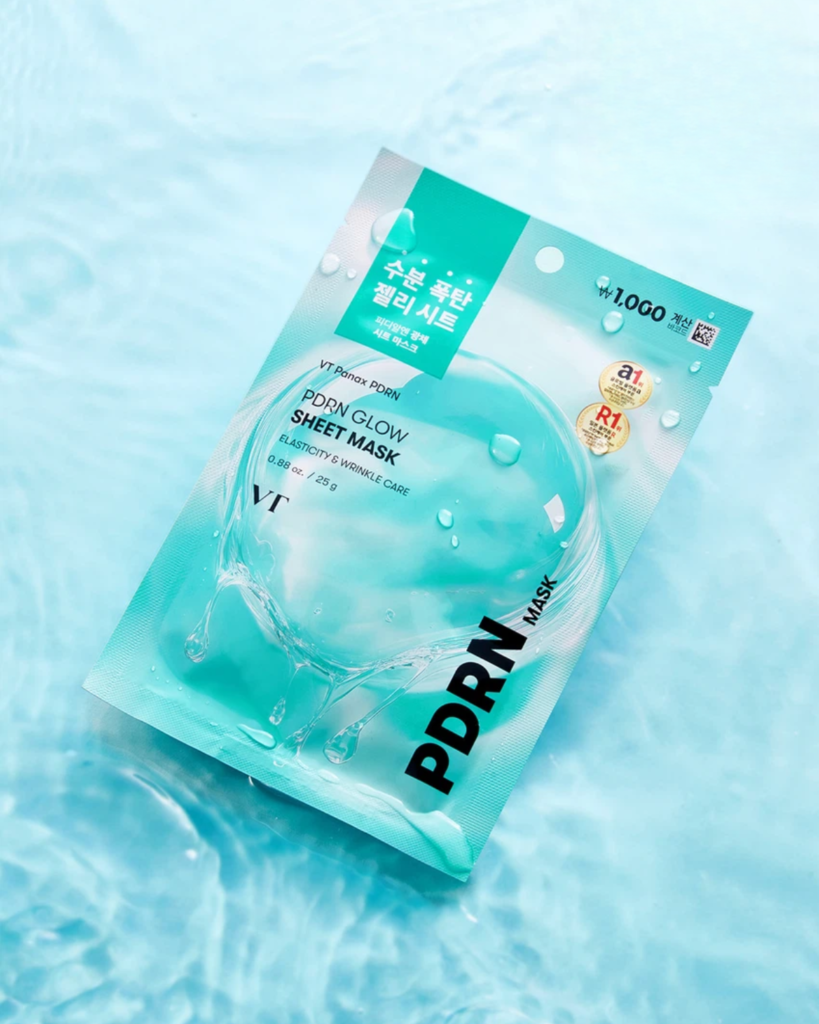
Image: Daiso Korea
What Travels and What Doesn’t
The Korean trends that travel most successfully share a common quality: they address a need that is universal but that existing products hadn’t served well. The cushion foundation solved a problem women everywhere already had. Elegant, invisible-finish sunscreen addressed a friction point that international formulators hadn’t prioritized. Regenerative skincare responded to a widespread desire for visible repair, not just prevention, that existed in every aging consumer population but lacked mainstream products.
The trends that don’t travel usually fail the same test. Strip away the Korean cultural context and the need either disappears or transforms into something different. Some Korean beauty standards are specific enough that the products they generate have limited relevance beyond the cultural frame that created them. Formats tied to the specific configuration of Korean social networks or retail infrastructure don’t replicate mechanically.
Brow lamination kits, lash lift systems, and eyebrow tinting products illustrate this distinction well. DIY versions of these treatments have existed in many markets for years, often sold through marketplaces with little branding or consumer education. Korean brands didn’t invent the category. They made it mainstream. Through stronger branding, simplified packaging, tutorial-driven marketing, and retail distribution through channels like Olive Young, these products became approachable enough for everyday consumers rather than beauty professionals or hobbyists. The transferable insight isn’t the kit itself. It’s that consumers increasingly expect professional maintenance treatments to be redesigned into products that feel simple, trustworthy, and convenient enough to use at home.
Home beauty devices reveal a similar pattern. Clinical technologies such as radio frequency, EMS, and LED therapy have existed for years, but they remained niche products purchased by highly engaged consumers willing to invest several hundred dollars in specialist equipment. Korean brands, particularly Medicube, helped reposition beauty devices as everyday skincare tools rather than professional equipment. Through accessible pricing, aggressive creator marketing, and integration into ordinary skincare routines, beauty devices became products consumers could realistically consider alongside serums and moisturizers rather than as standalone investments. That commercial success has encouraged both Korean and international brands to enter the category, expanding consumer awareness well beyond Korea.
The Behaviors Worth Watching
Radical accessibility is changing how premium is earned.
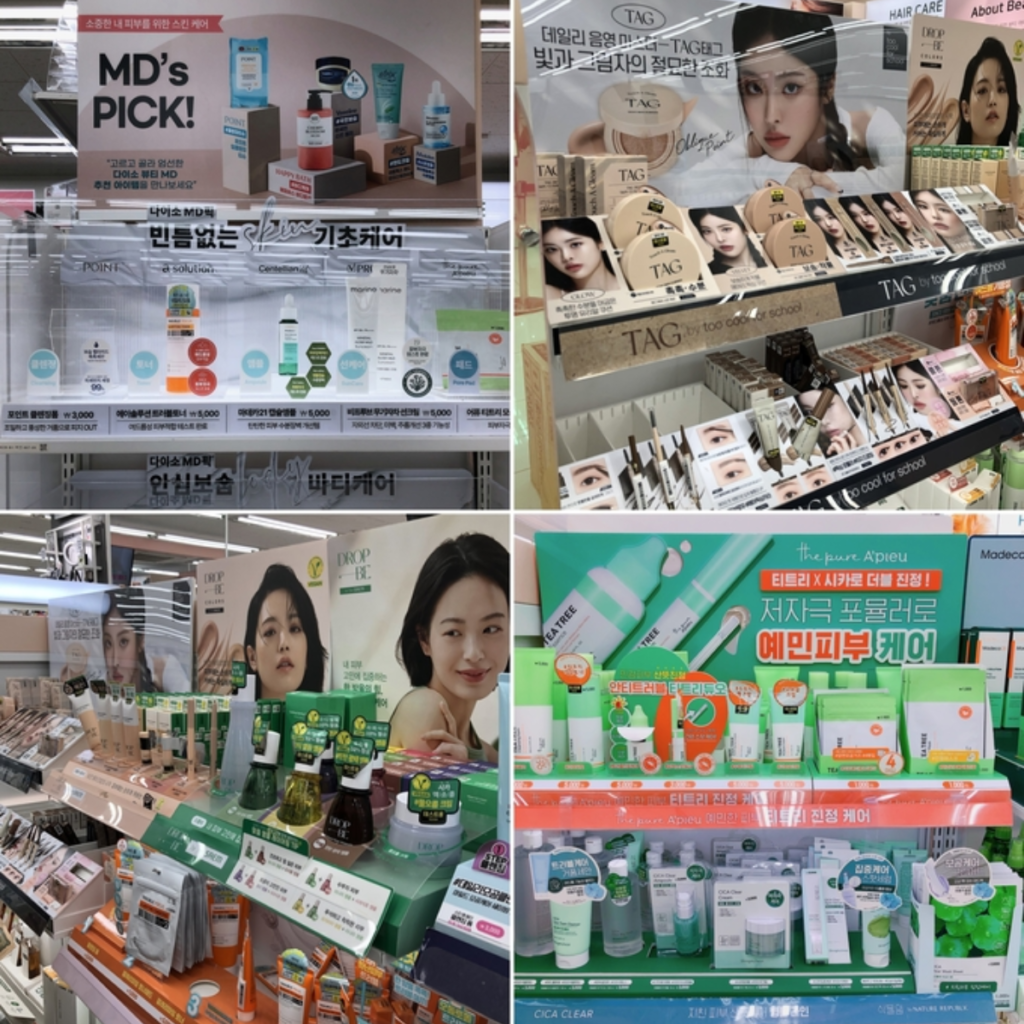
Image: Cosmorning
Daiso is Korea’s equivalent of a dollar store, known for inexpensive household goods and everyday essentials, with most products priced between 1,000 and 5,000 won (roughly US $0.75–3.75). Beauty once occupied only a small corner of that assortment. Today, it has become one of the retailer’s fastest-growing categories, attracting shoppers well beyond its traditional student and budget-conscious customer base. Daiso’s beauty division grew 130% year-on-year in the first quarter of 2025, while the number of beauty brands it carries nearly doubled within two years.
The significance isn’t simply that inexpensive beauty products are selling well. It’s that ingredients and product concepts once associated with premium skincare are becoming accessible through one of Korea’s most affordable retail channels.
VT Cosmetics illustrates this shift well. The brand already sells its PDRN skincare range through Olive Young, Korea’s largest beauty retailer. It later introduced a simplified PDRN sheet mask at Daiso for just 1,000 won, where it sold nearly 10,000 units on its first day and required seven restocks within two months. Meanwhile, consumers can also purchase PDRN products from premium skincare brands such as REJURAN, also stocked at Olive Young, at significantly higher price points.
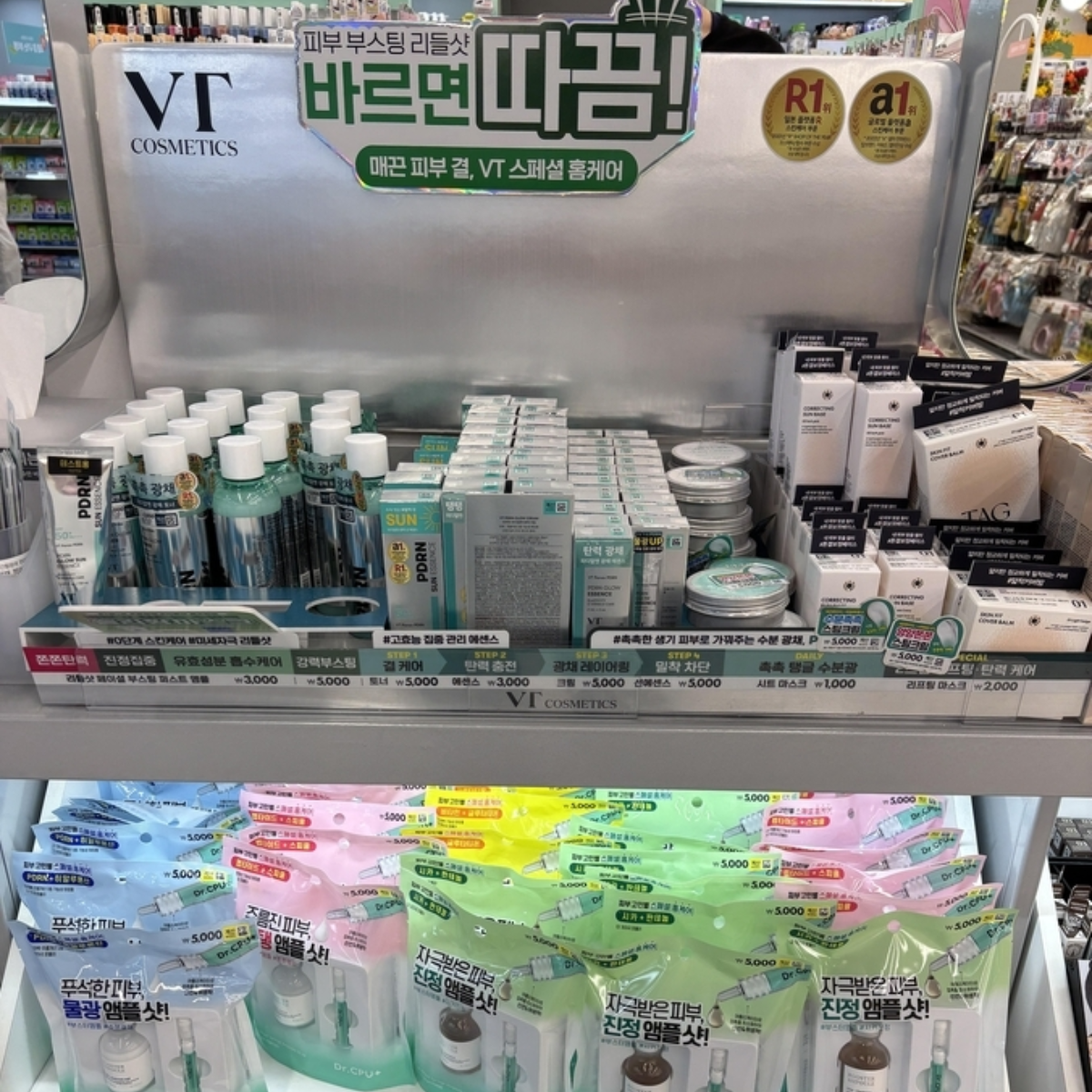
Image: Cosmorning
This creates an unusually compressed value ladder. Consumers are now encountering the same headline ingredient across multiple brands, retail environments, and price points — from a 1,000 won mask at Daiso to premium skincare lines at Olive Young. As ingredient awareness grows, premium brands can no longer rely on ingredient exclusivity alone to justify higher prices. Increasingly, they must compete on formulation quality, clinical evidence, delivery systems, product experience, and brand trust. Consumers aren’t abandoning premium skincare. They’re becoming more selective about what deserves a premium. International brands operating in premium skincare have the same recalibration ahead of them, even if their consumers haven’t yet encountered Daiso-equivalent accessibility in their own markets.
The implications extend far beyond beauty. Any category where premium positioning has historically rested on ingredient or component exclusivity is exposed to similar pressure as manufacturing capabilities spread and consumer knowledge deepens.
Appearance is becoming a baseline, not a differentiator.
Korea has spent decades lowering the barriers to looking good. Affordable skincare is available at every price point. Cosmetic procedures are comparatively accessible. Educational content is abundant. Products arrive the next day. For many consumers, maintaining a polished appearance has become less a luxury than a routine part of everyday life.
As a result, appearance is becoming less effective as a way to stand out. Looking put together is increasingly expected rather than exceptional.
What’s changing is where consumers seek differentiation. Younger Koreans are investing more heavily in experiences, hobbies, fitness, travel, creative pursuits, languages, financial literacy, and other forms of self-development that communicate identity in ways appearance alone no longer can.
For brands, this changes the competitive landscape. Beauty is no longer competing only with other beauty brands. It is increasingly competing with anything that helps consumers become a more interesting, capable, or fulfilled version of themselves.
Intentional spending is replacing category loyalty.
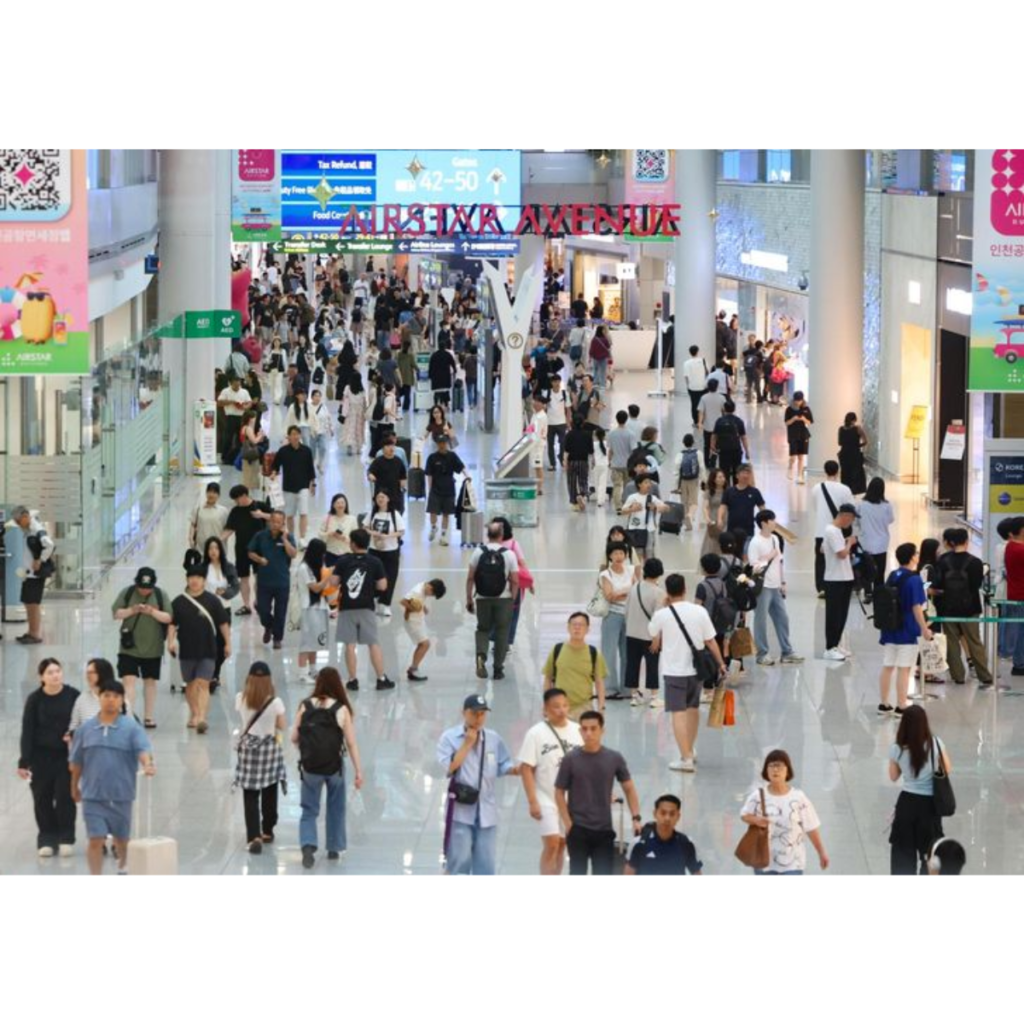
Image: The Korea Times
The same Korean consumer who buys her entire skincare routine at Daiso for 21,000 won may spend 200,000 won on a single head spa session, book a solo trip to Japan, and invest regularly in an equity index fund. She is not uniformly frugal. She is selectively intentional.
This pattern extends well beyond beauty. Korean outbound travel has surpassed pre-pandemic levels, with younger consumers in particular treating overseas trips as high-priority experiences rather than aspirational luxuries.
Brands are already beginning to respond to this shift. Travel-sized products have traditionally been viewed as trial formats. Increasingly, they’re becoming core product lines designed for consumers who prioritize experiences over accumulating products. Banila Co’s Cleansing Balm, for example, package one of the brand’s best-selling products into individually portioned capsules that fit naturally into short trips and carry-on travel. The product isn’t simply smaller packaging. It reflects a consumer who wants beauty routines to move seamlessly with their lifestyle rather than interrupt it.
Equity investing among Korean consumers in their twenties and thirties has grown substantially over the past decade, with MZ-generation investors cited consistently in Korean financial reporting as driving retail participation in domestic and international markets. A generation that is comfortable buying 1,000-won skincare and 300,000-won concert tickets in the same week is operating from a sophisticated and highly personal value framework, not a simple cost-sensitivity.
The consequence is that brand loyalty built on category habit is eroding. The consumer will switch to Daiso if the product works comparably. She will pay a significant premium if the experience genuinely justifies it. The middle ground, brands that charge more than Daiso without delivering meaningfully more, is under pressure.
Self-development is becoming a new form of status.
There is a consumer shift in Korea that doesn’t show up in beauty sales data, but may be one of the most significant long-term signals for any brand competing for discretionary spending and consumer identity.
Because appearance has become so accessible to manage, younger Korean consumers increasingly differentiate themselves through what they do and who they’re becoming rather than through how they look. The investment in self-expression has not declined. It has redirected.
This is visible in several places. Running has become an identity category in Korea in a way it wasn’t a decade ago. Running clubs have proliferated across Seoul with distinct aesthetics, cultures, and community structures, and the segment has attracted serious commercial attention from sportswear brands treating it as a lifestyle territory rather than a performance category. Language learning, skill certifications, creative side projects, and fitness disciplines are increasingly the things young Koreans reference when describing who they are. Korean personal finance and self-development content has grown significantly on YouTube, reflecting an audience that consumes self-improvement as a form of aspiration.
Creator culture reflects this shift clearly. Korean influencers who built audiences on beauty content are increasingly integrating self-improvement into their channels, documenting language study, athletic goals, skill acquisition, and personal projects alongside product recommendations. Their followers engage with both, often more deeply with the former. The implicit promise has changed from “I’ll show you how to look like this” to “I’ll show you how to build a life like this.”
This has implications well beyond beauty. Running brands building genuine training communities, language platforms creating social identity around learner milestones, travel brands that position a trip as a form of education, wellness spaces that help consumers become a better version of themselves rather than simply maintain one: these categories are competing for the same discretionary investment. They are speaking to the same aspiration. In Korea, that aspiration is already reshaping where money and attention go.
The creator economy offers another signal. Korean consumers are increasingly willing to buy from individuals with demonstrated expertise rather than simply established corporations. Makeup artists, dermatologists, hairstylists, fitness coaches, and niche creators are increasingly translating years of accumulated trust into commercial brands. What consumers are buying isn’t only the product. They’re buying confidence in the person behind it. As expertise becomes a stronger purchasing signal than scale alone, the pathway from creator to credible consumer brand continues to widen.
A Framework for Reading Korean Trends
Three questions, applied consistently, transform Korean consumer observation into usable intelligence.
What is the consumer actually doing? Not what product they are buying, but what behavior they are engaging in. A consumer purchasing PDRN skincare at Daiso isn’t simply buying a cheaper serum. They’re demonstrating that premium ingredients no longer need premium prices to feel credible. That behavior tells us something far more important than the product itself: consumers increasingly separate ingredient value from brand value.
Why is it happening now? Something changed that made this behavior possible, desirable, or preferable. In professional beauty moving into consumer products, three things converged simultaneously: formulations became reliable enough for home use, tutorial content reduced the technical barrier, and treatment frequency increased to the point where salon scheduling became genuinely inconvenient. Identifying what changed is more useful than cataloguing what appeared.
Is the underlying expectation specific to Korea or broadly shared? Some motivations are deeply contextual — rooted in Korean beauty standards, social structures, or cultural norms that don’t replicate directly. Many are not. The expectation of autonomy over professional beauty treatments is not Korean. The expectation that premium ingredient claims must be backed by something more than presence in a formula is not Korean. These motivations exist wherever the conditions for them develop. Korea is showing what those conditions produce.
What We’re Watching
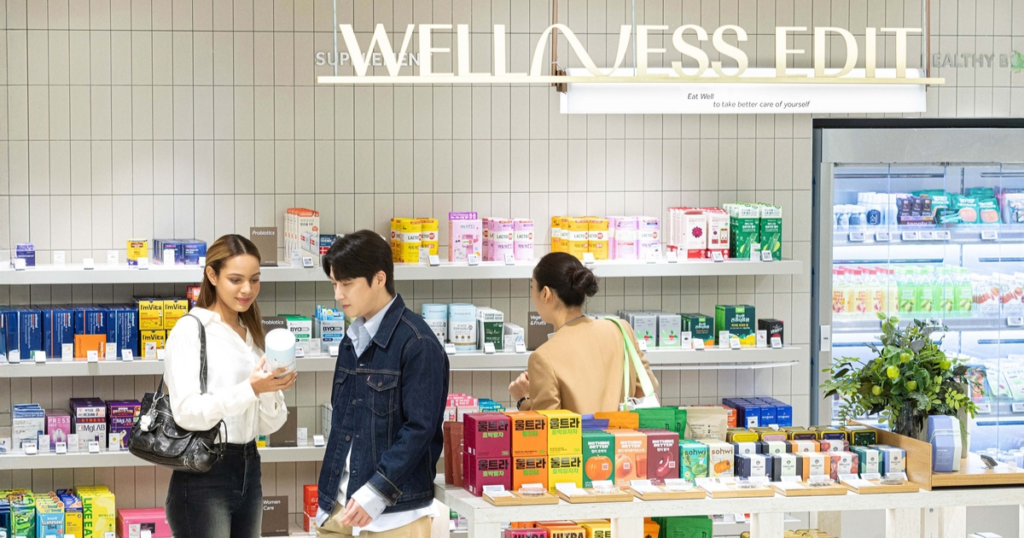
Image: Kyunghyang Shinmun
Several visible shifts in Korean consumer behavior are worth examining, not as predictions, but as developments that are already underway and may become significant in other markets.
Regenerative beauty is moving from clinical to consumer. PDRN and other regenerative ingredients are beginning to emerge from specialist clinic ingredients into daily skincare products, through a consumer pipeline Korea has built faster than most markets. The expectation underlying this, that skincare should actively repair rather than merely maintain, is not Korea-specific. The consumer vocabulary for it is growing internationally, and product demand tends to follow vocabulary.
The boundary between clinic and home continues to shift. Home devices are becoming more clinically sophisticated. Clinic protocols are increasingly designed to be extended by at-home maintenance between visits. Korean brands are defining this hybrid category in real time. The category didn’t exist as a named commercial segment five years ago. It does now.
The Daiso effect is worth watching beyond Korea. The accessibility of previously premium-positioned ingredients through mass retail is a function of global manufacturing capability and information spread, not a uniquely Korean condition. Korean brands have already shown how premium brands adapt: not by competing on price, but by competing on formulation depth, clinical evidence, sensory experience, and brand coherence. That response is instructive for any premium category facing ingredient commoditization.
Inner beauty (consumed through supplements, functional beverages, collagen drinks, and probiotics) is growing as an adjacent category to topical skincare in Korea, reflecting consumers’ interest in beauty outcomes that work from within. The category is not new globally, but Korea’s skincare-literate consumer base has brought the same ingredient-scrutiny and routine-building logic to ingestible formats that it previously applied to topicals. This creates a model for how inner beauty marketing evolves when the consumer is genuinely knowledgeable.
Longevity is replacing anti-aging as the organizing idea in premium wellness for Korean consumers in their forties and fifties. The shift is already visible in how Korean clinics, wellness spaces, and supplement brands position themselves. Anti-aging implies reversal. Longevity implies optimization and investment. These are different propositions, attracting different consumer orientations, and the brand that is designed for one will not automatically serve the other.
From Observation to Opportunity
Korea’s value to businesses around the world is not its product catalogue. Products change. Formats evolve. What doesn’t change as quickly is the underlying expectation that a product was designed to meet.
The cushion foundation is not the insight. The expectation that base makeup should be effortless, portable, and humidity-resistant is the insight, and it existed everywhere. A PDRN product at 1,000 won is not the insight. The expectation that premium ingredient claims must rest on something more than ingredient presence is the insight, and it is reaching every market with an informed consumer base.
The businesses that benefit most from paying attention to Korea are not those importing Korean products or replicating Korean formats. They are those using Korean consumer behavior as early evidence of what their own customers are beginning to want, and building native responses before those expectations fully surface.
Products change quickly. Consumer expectations, once established, tend to persist.
Sources
- Amorepacific — “Korea’s Cushion Boom Changes Global Beauty Trends” (cushion R&D history, 3,600 formulation tests, 2014 sales velocity, 140% international growth): https://www.apgroup.com/int/en/news/2015-01-21.html
- Herald Economy (헤럴드경제) — “다이소, 제2의 리들샷 붐 노린다” (Daiso PDRN launch, 130% beauty revenue growth Q1 2025, brand count 26 to 50, product count doubling): https://biz.heraldcorp.com/article/10524507
- Harper’s Bazaar Korea — “다이소에 이 화장품 보이면 꼭 사세요” (VT PDRN sheet mask 10,000 units day one, seven restocks in two months): https://www.harpersbazaar.co.kr/article/1888751
- Hitnews — “홈케어 열풍에 가정용 미용기기 시장 확대” (Medicube AGE-R 312 billion won revenue, 44.6% growth): https://www.hitnews.co.kr/news/articleView.html?idxno=64283
- Fashionista — “The Next It Handbag Brand Will Probably Be From South Korea” (OSOI, Stand Oil, Marge Sherwood international expansion, SSENSE buyer quote): https://fashionista.com/2025/06/stand-oil-marge-sherwood-osoi-korean-handbag-brands-expansion-united-states
- News Epoch — “투슬래시포 2025년 외형 성장에도 짙어진 적자” (Two Slash Four revenue trajectory, creator-to-brand model): https://newsepoch.co.kr/news/2026040800004
- Daum Special Report — “넥스트 K뷰티 탈모 이코노미” (head spa market evolution, scalp clinic pricing, clinic-to-home service extension): https://v.daum.net/v/20260107210308466?f=p
- News1 — “CJ올리브영 셀프뷰티 인기” (Olive Young self-beauty category growth, platform data): https://www.news1.kr/industry/distribution/6002179