

The New Base Makeup
Korean makeup has long stood for polished, perfected skin. However, achieving that signature flawless complexion no longer requires a layer of full-coverage foundation.
A versatile array of BB creams, tone-up creams, tinted sunscreens, correcting sunscreens, and lightweight skin tints now offers consumers dozens of ways to balance their complexion without committing to traditional foundation.
The Korean term 파데프리 (pade-free), meaning foundation-free, has moved straight onto retail shelves. Major beauty destinations like Olive Young explicitly categorize products under foundation-free signage, stocking hybrid complexion products designed to provide coverage and protect the skin in a single step.
This trend is not about wearing less makeup out of laziness, but rather about streamlining the morning routine by removing steps that no longer add value.
BB Cream Always Remained A K-Beauty Staple
While Western beauty fans left BB cream in the 2010s, Korean consumers kept it in heavy rotation, allowing it to naturally evolve into an everyday essential rather than disappearing from local makeup bags.
Evidence of its staying power is everywhere in local beauty content, with mega-influencer Risabae anchoring signature routines around BB creams and cushions while top Korean makeup artists blend BB cream with liquid foundation to create a more natural, but flawless base.
Its lasting strength comes down to efficiency—delivering instant tone correction without the weight or prep time of full coverage. Olive Young validates this trend by promoting products from Missha and Espoir under the popular foundation-free positioning, such as Espoir’s Dermacover Blemish Balm, which pairs BB coverage with SPF 50+ PA++++ as the wider market aligns around the same concept.
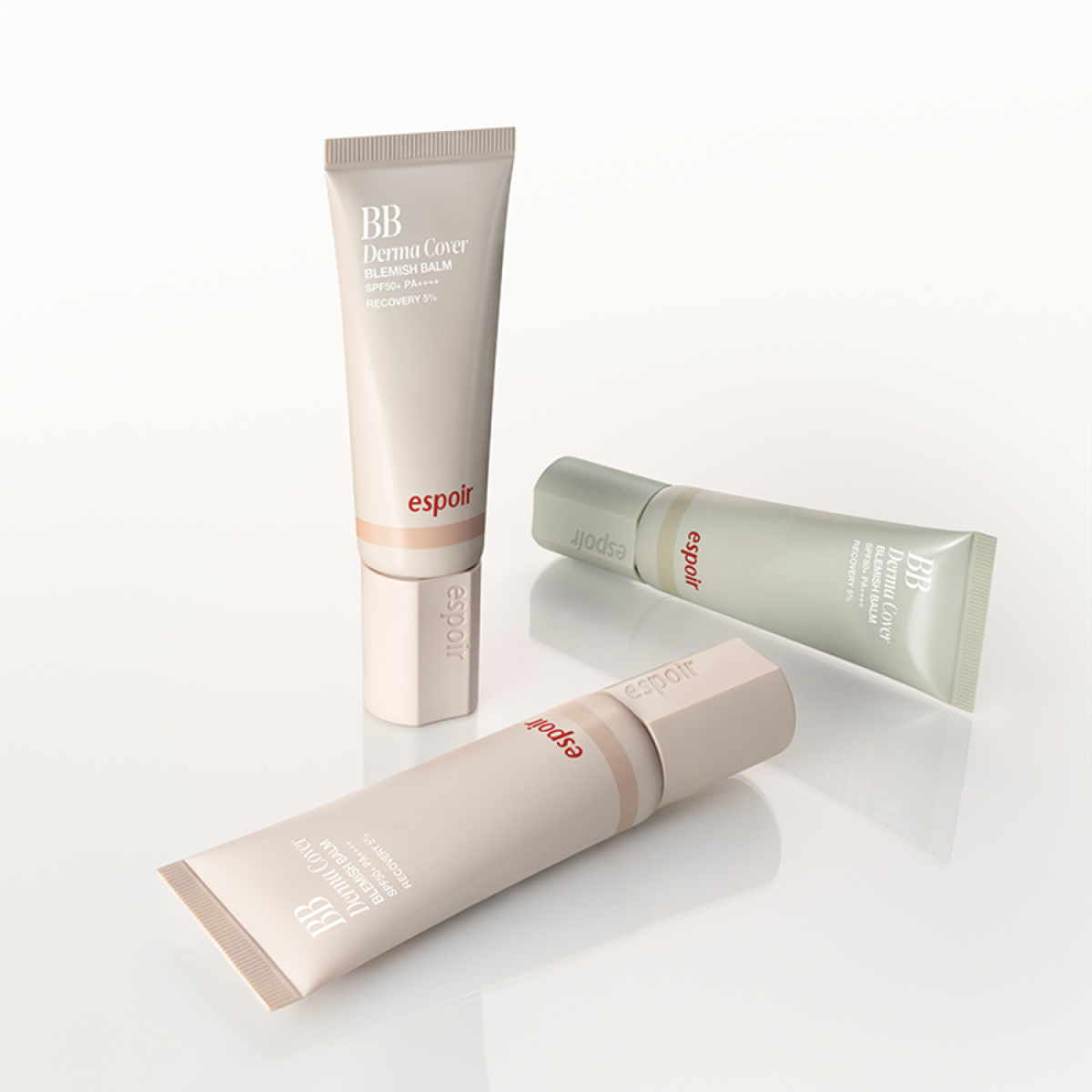
Image: Espoir
When Foundation-Free Does More Than Foundation
Traditional foundation solved a single problem by delivering coverage, but the newest generation of complexion products addresses several demands simultaneously. Modern formulations combine UV protection, tone correction, hydration, and active skincare benefits into a single step.
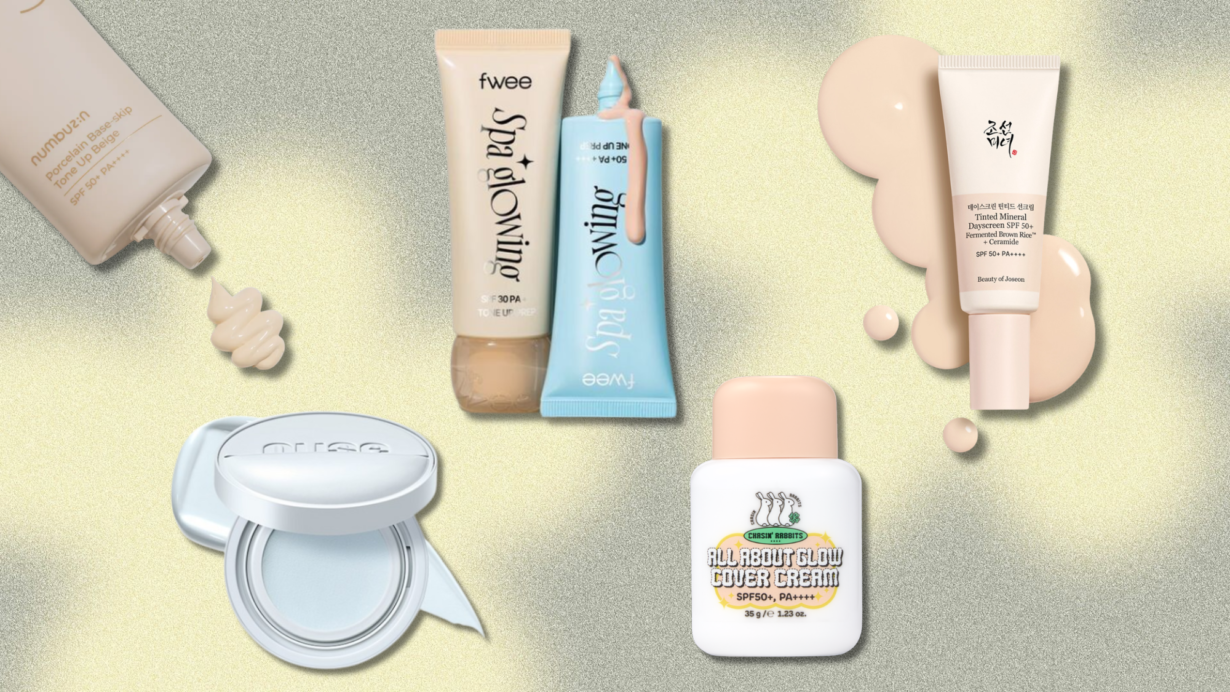
This all-in-one approach is completely blurring traditional beauty categories. Skin-tone sunscreens deliver skin-evening coverage, targeted tone-up sunscreens use corrective colors like pink or green to balance skin tones, and classic BB creams maintain their spot as the ultimate skincare-cosmetic hybrid. Meanwhile, skin tints and tone-up bases are winning over shoppers who want a polished look without heavy layers.
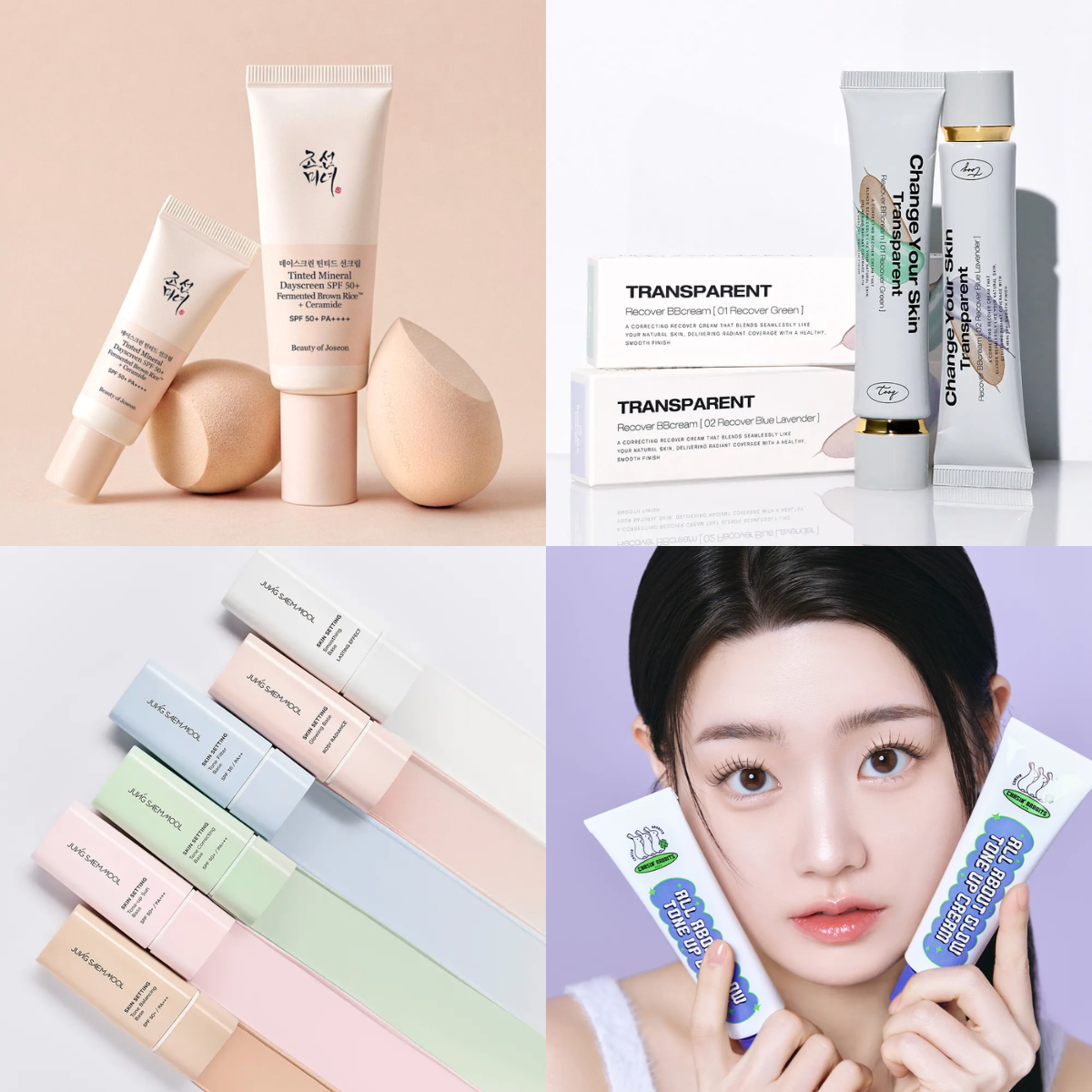
Image: Beauty of Joseon, Tooq, Jungsaemmool, Chasing Rabbits
The K-beauty market now groups these hybrid formulations under the foundation-free banner, with coverage as the primary replacement for conventional bases. Crucially, foundation-free has transformed from a rigid product classification into a distinct usage occasion.
Rather than functioning completely as a standalone product category, foundation-free is seen more as a practical usage occasion, driven by consumers who seek versatile products that perform well enough to eliminate the need for traditional foundation.
Why Koreans Are Switching To Foundation-Free
The shift toward foundation-free comes down to everyday convenience and practicality. A traditional full-coverage routine means layering primer, foundation, concealer, setting powder, and finishing mist just to step out the door.
When you simply want to look put-together for a casual afternoon or to run errands, that long process feels out of touch. K-beauty creators were recommending fast-application BB creams for quick sun protection and coverage back in 2011, but today’s shoppers can choose from dozens of sophisticated formulas designed to speed up the morning routine.
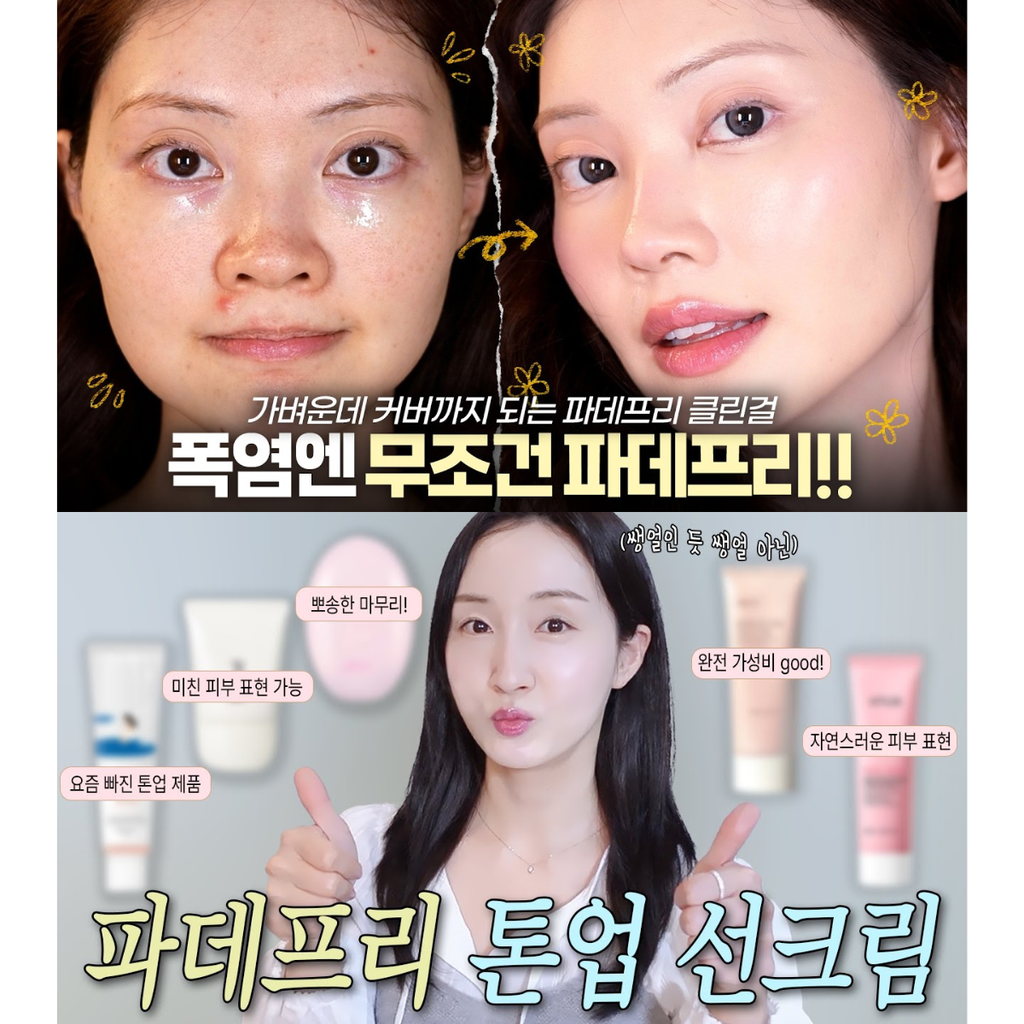
Image: 해니 haeni beauty, 레모윤 lemoyun
Physical comfort and humid summer weather make the case for lighter bases even stronger. Heavy liquid foundations often aggravate sensitive skin and perform poorly in hot, humid conditions, where sweat and natural oils cause thick makeup to cake and melt away.
Korea Economic Daily reported in August 2026 Retail reported that consumers were ditching traditional foundation entirely, relying instead on tone-up sunscreens and a touch of concealer to create a fresh, breathable finish that stays intact all day.
When Suncreen Becomes Makeup
The rise of high-tech sun protection is completely shaking up the makeup world. Sunscreen used to be the final skincare step before laying down foundation, but today it is taking over as the makeup itself.
Korean beauty brands have been perfecting tone-correcting sunscreens for years, turning simple sun protection into a part of the base makeup routine. Consumers can now pick green sunscreens to cancel out redness, pink or purple formulas to revive tired skin, and warm beige shades to deliver an instant healthy glow.
Retail giant Olive Young actively drives this trend by placing multi-action sunscreens under dedicated foundation-free displays. Numbuzin’s No.3 No Filter Tone-Up Sun Serum is listed as foundation-free/sunscreen while Fwee’s Spa Glowing UV Tone Up Base is marketed as foundation-free and positioned as a base makeup option.
This formulation evolution reverses traditional application order. Sunscreen is no longer necessarily the step before makeup, because for many consumers, sunscreen has become the makeup. By pairing a corrective sunscreen with a dab of concealer where needed, consumers don’t need to give up full-coverage correction entirely.
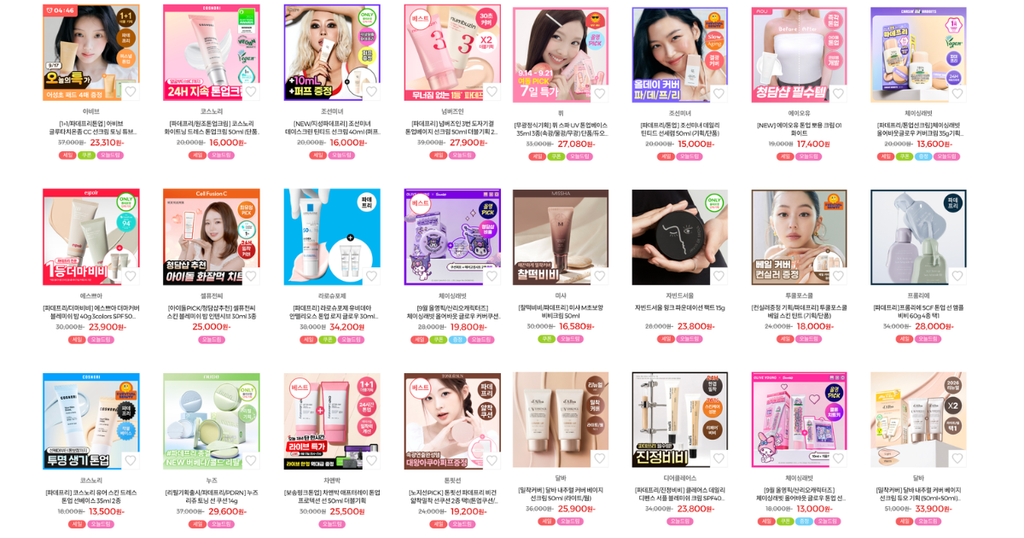
Image: Olive Young
What Global Beauty Brands Should Notice
The foundation-free trend points directly to three core consumer demands: saving time, maximizing skin comfort, and more function in one product. A traditional base routine demands several steps, whereas a tone-up or corrective sunscreen, BB cream, or skin tints delivers a polished finish in a fraction of the time.
For sensitive skin types, lighter formulations eliminate the heaviness of foundations. During sweltering summer months, consumers prioritize high-SPF protection, sheer coverage, and breathable textures that withstand heat and humidity without degrading.
This shift naturally highlights the growing power of hybridization. Sunscreen seamlessly becomes makeup, skincare provides functional coverage, color correction blends directly into UV protection, and BB cream operates as both a complexion perfector and a skin-treating hybrid. Product development, then, is no longer about building a slightly better foundation, but rather identifying which steps consumers can strip away without sacrificing their desired finish.
While a hot, humid summer accelerates this shift by making heavy base routines uncomfortable, the demand for fewer steps, lighter textures, and multifunctional formulas persists year-round. Modern routines have become fluid and occasion-based—a consumer might wear full foundation for an event, BB cream for work, tinted sunscreen for errands, and a color-correcting SPF on casual days.
Traditional foundation isn’t vanishing, but brands must adapt to the reality that the same person can be a foundation buyer and a foundation-free consumer at the same time.
The New Base Is About Enough
The Korean foundation-free movement isn’t about going without—it’s about deciding what is enough. It centers on finding just enough coverage to even out the complexion, enough correction to look polished, enough SPF for protection, enough skincare to ensure lasting comfort, and enough makeup to feel ready to walk out the door.
This balance is precisely why BB cream demands renewed attention, having pioneered this deliberate compromise long before multifunctional beauty became a mainstream strategy.
As the broader complexion category converges around the same philosophy, Korea demonstrates what happens when consumers prioritize the ultimate result over rigid product categories—shifting the core question from which foundation to buy to whether foundation is needed in the first place.
Looking at Your Brand Strategy
Uncovering the hidden signals in Korean consumer culture requires looking past surface-level trends. If you are exploring how Korean market shifts, consumer behavior, and category movements can open new opportunities for your business, Siseon works with global teams to turn these observations into strategic advantage.
To discuss custom research, field intelligence, or strategic advisory for your team, connect with us directly at hello@siseonhq.com or fill out the contact form.
Sources
- Olive Young — “하나로 끝내는 파데프리, 톤업” Olive Young — 파데프리, 톤업 collection
- Manyo Factory — 파데프리 선크림 Olive Young — Manyo Factory Foundation-Free Sunscreen
- Edit.B Sunday Tone-Up Sun Serum Olive Young — Edit.B Sunday Tone-Up Sun Serum
- Banila Co Essence Skin Tone-Up CC Sunscreen Olive Young — Banila Co Skin Tone-Up CC Sunscreen
- The Chosun Ilbo — New Tone-Up Sunscreens for Foundation-Free Makeup
- Korea Economic Daily — Why Tone-Up Sunscreen Is Replacing Foundation in Summer
- Korea JoongAng Daily — Lab Series brings men’s BB cream to top market