


Introduction
In the spring of 2024, Dubai chocolate arrived in Korea.
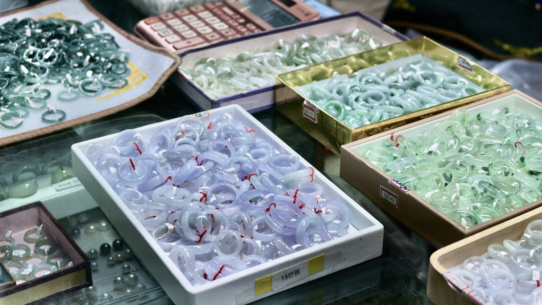
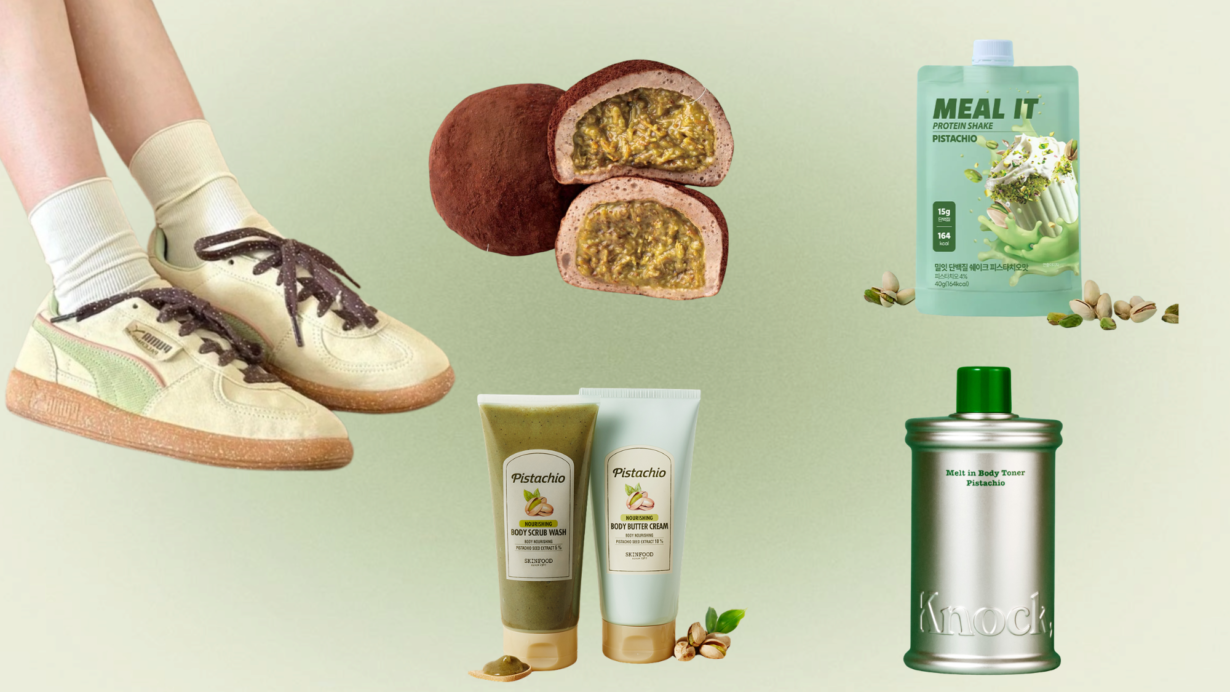
Dubai chocolate appeared in cafés, bakeries, convenience stores, and dessert brands almost simultaneously. Before long, pistachio itself had become the trend. Convenience stores introduced pistachio-flavored drinks, ice cream, snacks, and coffee. Protein brands released pistachio protein shakes, while cafés and bakeries developed entirely new pistachio desserts. Even fashion began responding, with pistachio-colored sneakers, handbags, and accessories appearing across seasonal collections. What began as one dessert quickly became a color, a flavor, an aesthetic, and a merchandising opportunity.
What’s remarkable isn’t simply how many businesses participated. It’s how quickly they all recognized that the opportunity extended beyond chocolate itself. Consumers weren’t just buying a dessert. They were responding to a flavor, a color palette, and an aesthetic that could be translated into entirely different products. Once that became clear, category boundaries stopped mattering.
This is the pattern worth paying attention to. The products changed, but the underlying consumer interest remained the same. Consumers don’t compartmentalize their interests the way industries do. When they’re drawn to a particular flavor, color, aesthetic, or lifestyle, they naturally carry that interest across food, fashion, beauty, wellness, and the rest of their daily routines. Brands simply follow where consumer attention goes.
That’s why Korean trends appear to migrate so quickly across industries. They don’t really migrate at all. They follow people.
Consumers Don’t Buy Products, They Build Routines
The clearest demonstration of how Korean trends spread is running.
Not long ago, running was not a particularly social or culturally visible activity in Korea. Koreans exercised, but running as an identity, as a community, as an aesthetic pursuit, was relatively quiet. Over roughly the past three years, something shifted. Running clubs emerged across Seoul with distinct visual identities, specific routes, morning gathering rituals, and social media presences that turned the activity into something visible and aspirational. Korean Gallup data shows running participation rising from 23% to 32% between 2021 and 2023, with the running population estimated to have crossed 10 million.
What followed was not a running product trend. It was the emergence of an entire consumer ecosystem around a new way of spending time.
Apparel brands positioned themselves within running culture. Nutrition brands developed products specifically for runners’ pre-run and post-run needs. Cafés began hosting running club meetups, stocking the kind of beverages that appealed to health-conscious early-morning regulars. Recovery became a genuine subcategory: cooling products, massage tools, contrast bathing, and dedicated recovery spaces like Runport in Seoul, which was built specifically around the sequence of run, sauna, and ice bath. Creator content followed the lifestyle rather than the sport, documenting the community, the aesthetics, the gear choices, and the rituals around the activity as much as the running itself. Saunas gained a new consumer: the post-run urban professional who arrived not for the traditional communal bathing experience but for structured physical recovery.
None of these industries made a deliberate decision to enter “running.” They responded to consumers who had reorganized a portion of their lives around a new interest and needed products and experiences at multiple points in that routine.
That’s the mechanism. Consumers don’t buy one product associated with an interest. They build an identity and a daily pattern around it. Every point in that pattern becomes an opportunity for a brand to participate. And Korean consumers, who tend to build systematic routines rather than making isolated purchases, generate an unusually large number of those points.

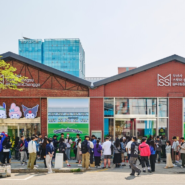
Image: Runport
Consumers Extend Beliefs, Not Just Purchases
One of the more counterintuitive aspects of how Korean consumer trends spread is that the concept often exists before the product does.
Consider how PDRN became a mainstream beauty consumer category in Korea. The conventional explanation is that a clinical ingredient moved down market from aesthetic medicine to skincare to mass retail at Daiso. That’s accurate as a distribution story but incomplete as a consumer story.
Korean consumers became familiar with the idea of regenerative treatment through aesthetic medicine experiences that are unusually accessible and normalized in Korea relative to most other markets. Rejuran Healer, Vitaran, and Placentex were clinic products that introduced Korean consumers to the concept that cellular regeneration is a legitimate approach to skin repair, not merely a cosmetic aspiration. By the time PDRN appeared in a 1,000-won sheet mask at Daiso, the consumer encountering it wasn’t learning about a new concept. They were applying an existing belief to a more accessible format. The product was new. The underlying conviction had been established years earlier.
This is why the Daiso launch moved so quickly. There was no consumer education required. The belief preceded the purchase.
Food offers an equally telling, and distinctly Korean, example. Korean restaurants have marketed jokbal (braised pig’s feet) and chicken feet as collagen-rich foods beneficial for skin for as long as those dishes have been served. Menus describe them in terms that a Korean beauty consumer would recognize: collagen content, skin elasticity, moisturizing properties. This framing existed long before “collagen skincare” became a global beauty trend. Korean consumers had already integrated the idea that food choices affect skin condition into their ordinary dining behavior. The boundary between beauty and food was, for this concept at least, already permeable.
When collagen-positioned supplements, collagen drinks, and collagen-marketed foods proliferated more recently, they weren’t introducing an unfamiliar idea to Korean consumers. They were expanding the range of products that expressed a belief the consumer had already formed. The belief that internal inputs affect external appearance, that beauty is a system involving what you eat as much as what you apply, had been building in Korean consumer culture for decades before the current proliferation of collagen-positioned products made it visible to international observers.
Both examples point toward the same principle. Korean trends spread across categories because consumers don’t wait for brand permission to extend an idea. Once they’ve formed a belief, they look for it everywhere, and brands across industries respond by developing products that fit within an already established consumer conviction.
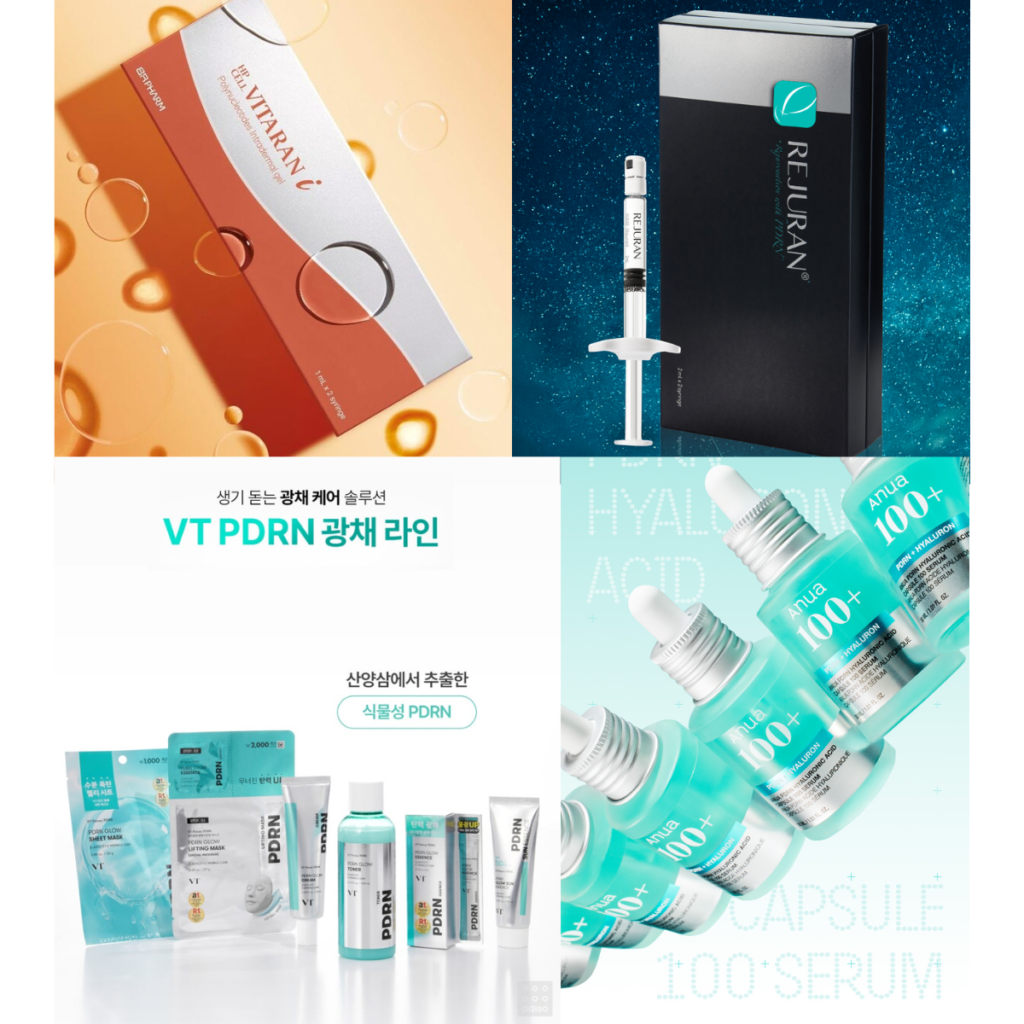
Image: Vitaran, Rejuran, VT, Anua
Korean Consumers Don’t Compartmentalize
The structural reason Korean consumers extend interests across industries is that they don’t experience their lives by category in the first place.
Ballet offers another illustration. Interest in ballet classes increased noticeably as younger consumers became drawn to the activity itself. But balletcore quickly grew beyond the studio. While some consumers enrolled in classes, many more participated through fashion, beauty, and lifestyle, adopting the aesthetic without ever taking a lesson. Fitness brands released ballet-inspired activewear, fashion brands introduced wrap cardigans, ballet flats, and soft silhouettes, and beauty creators adapted the aesthetic into makeup tutorials. Consumers didn’t need to become dancers to participate in the trend. They could adopt as much or as little of the lifestyle as they wanted, which allowed the idea to spread far beyond the studio.
What begins as a trend rarely stays confined to its original category. As participation grows, it develops into something much larger. As more people adopt the behavior, creators produce educational content around it, communities form, retailers expand their assortments, and brands begin competing to improve different parts of the same experience. Eventually the ecosystem becomes mature enough that joining the trend feels effortless because consumers no longer have to figure everything out on their own.
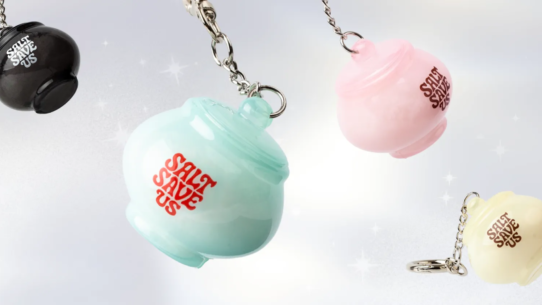
Sanrio character collaborations followed the same pattern at a different scale. Cinnamoroll, Kuromi, and Pochacco appeared across beauty products at Olive Young, clothing at Musinsa, stationery at Daiso, banking products at Shinhan Card, and café collaborations. The consumer whose interest in Sanrio characters generated this cross-industry response wasn’t compartmentalizing: “I’ll buy the notebook but not the blush.” The character had become part of an identity expression that crossed every category the consumer touched.
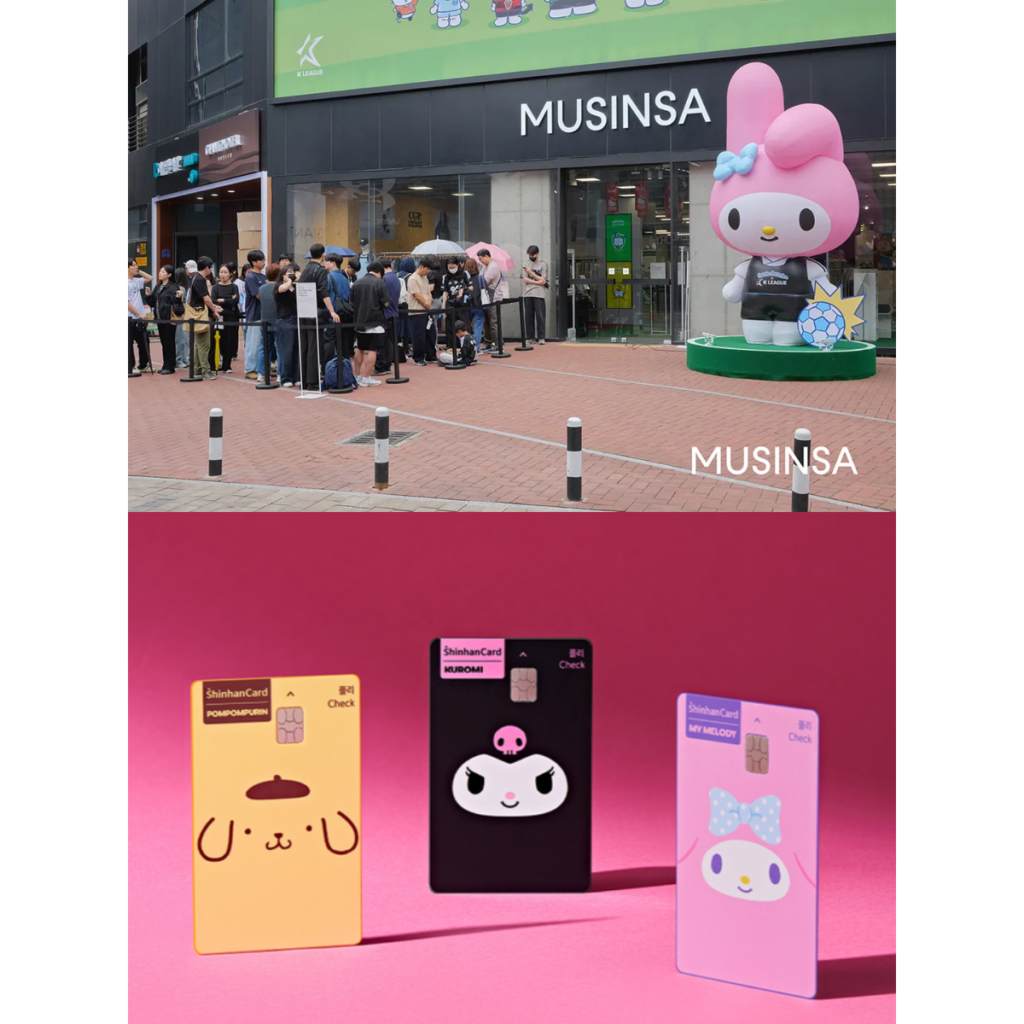
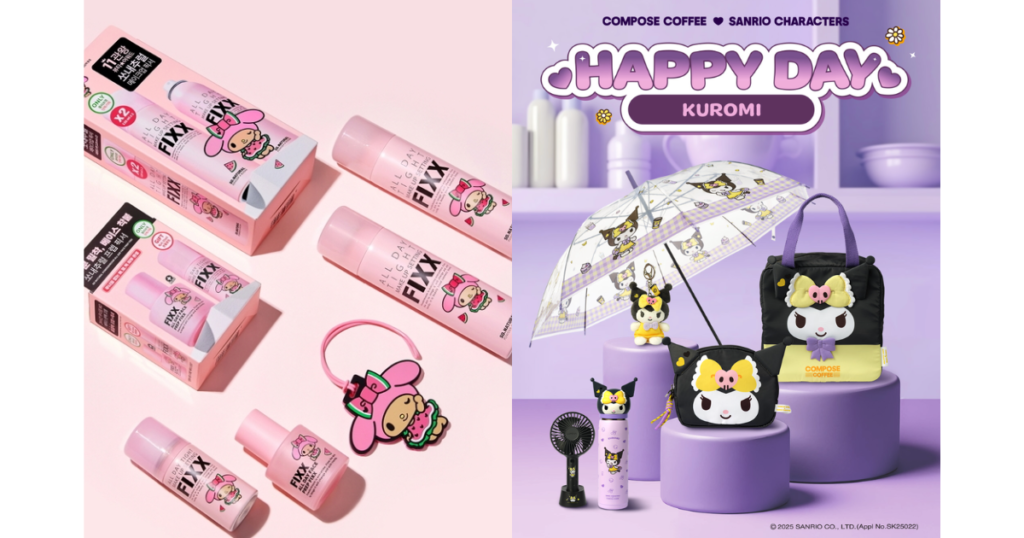
Image: Musinsa, Shinhan Card, So Natural, Compose Coffee
This is the context in which Olive Young and Musinsa function as accelerators. It’s worth being precise about the mechanism, because it’s commonly mischaracterized. Olive Young didn’t cause cross-category trend diffusion by stocking supplements next to skincare. Musinsa didn’t launch a beauty section because clothing buyers suddenly decided they wanted makeup. These retailers reflect something that was already true about their consumers: they see fashion, beauty, wellness, and lifestyle as components of one integrated identity rather than as separate purchasing categories.
Olive Young’s layout works not because it creates unexpected product adjacencies, but because it mirrors the way Korean consumers actually think about health and appearance as a continuous concern. Musinsa Beauty exists because the consumer who builds a wardrobe on Musinsa is making the same kind of considered identity choices whether they’re choosing outerwear or skincare, and they recognize the continuity. The retailer didn’t change the consumer’s thinking. It responded to thinking that was already there.
This dynamic explains why Korean trends often appear to spread unusually quickly. They aren’t expanding because brands are trying to enter new categories. They’re expanding because consumers naturally pull related products into the same routine. As demand grows, companies compete to improve different parts of that routine until an entire ecosystem forms around it. What began as one purchase gradually becomes a standardized way of participating.
Brands Compete for Steps in the Routine
Once a consumer interest matures into a genuine routine, the competitive dynamic shifts. Brands are no longer competing to capture a trend. They’re competing to own a step in an established consumer behavior.
Once a lifestyle gains momentum, as running has in recent years, brands begin competing for different moments within that routine rather than the same product category. Instead of everyone trying to sell running shoes, companies begin asking different questions. How can recovery feel better? How can hydration become easier? What makes training more comfortable? How can someone’s post-run skincare routine improve? Each brand finds a different way to contribute to the same consumer journey.
Nutseline’s Acti Fit Cooling Guasha Serum is a product that found that kind of opportunity. It combines cooling actives, targeted body application, and a gua sha-shaped massager into a format designed specifically for post-exercise muscle recovery. The product didn’t arrive because “recovery” was trending. It arrived because consumers who run regularly had already developed a post-run routine that included addressing muscle fatigue and body temperature, and the product fit naturally and specifically into one step of that routine.
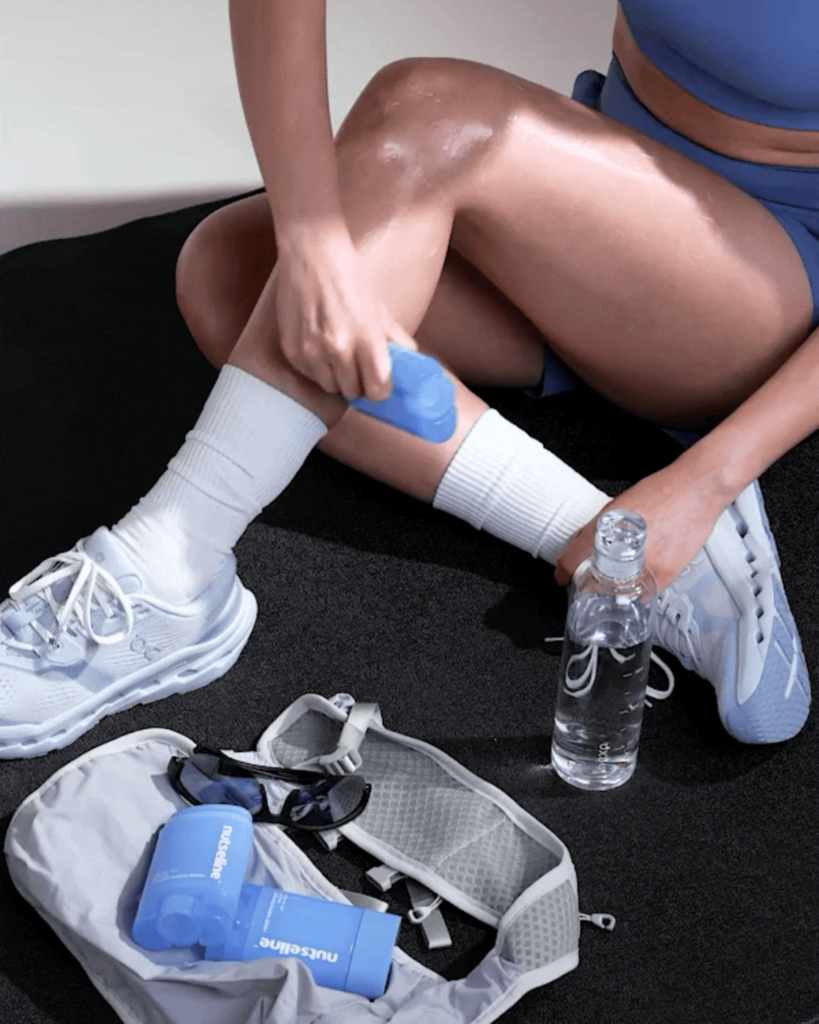
Image: Nutseline
This is the pattern Korean brands have become particularly skilled at executing. The consumer behavior exists first. The routine is already established. The brand identifies the step within that routine that is being addressed imperfectly or not at all, and builds a product that improves that specific moment. Once the product is adopted, it becomes the standard for what a proper routine includes at that step. And the consumer, who builds systematic routines, incorporates it permanently.
This pattern appears repeatedly across Korean consumer culture. Once enough products, content, communities, and routines exist around an activity, participating becomes significantly easier. That’s one reason entirely new “cores” emerge so frequently in Korea. Consumers aren’t just adopting an aesthetic, they’re entering a fully developed ecosystem that already knows how to support them.
The implication for businesses watching Korea is not to track which product category is growing, but to ask which consumer routines are becoming more sophisticated. As running culture deepens, the recovery step will become more detailed. As skincare routines extend to the body, specific body-zone products will standardize. As dietary health consciousness develops, the gap between clinical nutrition and everyday food will narrow, and products that fill that gap will find their moment. The sophistication of the routine is the leading indicator. The products follow.
Market Insight
The Competition Is for a Step in the Routine
The most useful question for businesses watching Korean consumer trends isn’t which product is spreading into new categories. It’s which consumer routine is becoming more sophisticated.
When Korean consumers deepen an interest, they don’t simply buy more products in one category. They develop more detailed and systematic routines, and each additional step in that routine is an opportunity for a brand to participate. By the time a consumer interest is visible across multiple industries, the real competitive action is already about which brand owns each step of an established behavior.
A brand that enters a routine early, at a step the consumer didn’t yet know they needed, and delivers a meaningful improvement, often becomes the standard for that step. The routine, once established, is durable. The brand that owns the step benefits from that durability.
What Korean Trends Actually Reveal
The fastest-growing Korean trends rarely remain products. They become routines.
When Korean consumers develop a genuine interest, they don’t contain it within a single purchasing category. They reorganize parts of their daily life around it: the products they use, the content they follow, the communities they join, the places they choose to spend time. Brands across completely different industries find opportunities to participate, not because a trend crossed from one industry to another, but because consumers brought the interest with them wherever they went.
This is what makes cross-category diffusion in Korea different from trend adoption in most other markets. It’s not primarily about brands watching and responding to each other, though that happens too. It’s about consumers building ecosystems around the things they care about, and those ecosystems having space in them for many different kinds of products and experiences.
Industries organize products into categories. Consumers don’t. They organize their lives around interests, routines, identities, and aspirations. That’s why Korean trends move so quickly across beauty, fashion, food, wellness, and lifestyle. They aren’t jumping between industries. They’re following the same consumer wherever they go.
That’s why Korean trends rarely remain confined to the category where they began. Beauty, fashion, food, wellness, and lifestyle are experienced as interconnected parts of the same routines. As those routines evolve, brands naturally expand alongside them.
For businesses, this changes what should be monitored. Watching individual product launches only tells part of the story. The more valuable question is which consumer routines are becoming more important, and how those routines are beginning to reshape multiple industries at once. That’s often where the next opportunities appear.
In Korea, trends spread most quickly when they become part of how people live, not just what they buy.
Sources
- Korea Gallup — Running and exercise participation rate data (23% to 32%, 2021 to 2023): cited in Korean Gallup annual lifestyle surveys Herald Economy — “다이소, 제2의 리들샷 붐 노린다” (PDRN at Daiso, mass retail adoption of regenerative ingredient, clinical familiarity preceding consumer adoption): https://biz.heraldcorp.com/article/10524507
- Nutseline Acti Fit Cooling Guasha Serum (Olive Young product listing, cooling and recovery body care, routine-filling product design): https://www.oliveyoung.co.kr/store/goods/getGoodsDetail.do?goodsNo=A000000252045
- CJ Olive Young — “2026 트렌드 키워드 리포트” (cross-category trend behavior, retail as consumer ecosystem amplifier): https://corp.oliveyoung.com/ko/trend/insight-studio/8
- Siseon — “Why Korean Consumer Trends Matter Beyond Korea” (Korean market as compressed consumer expectation signal, cross-category behavior background): [internal cross-reference]
- Siseon — “How to Evaluate Korean Consumer Trends Before You Adapt Them” (consumer expectation vs. product format, routine sophistication as leading indicator): [internal cross-reference]