


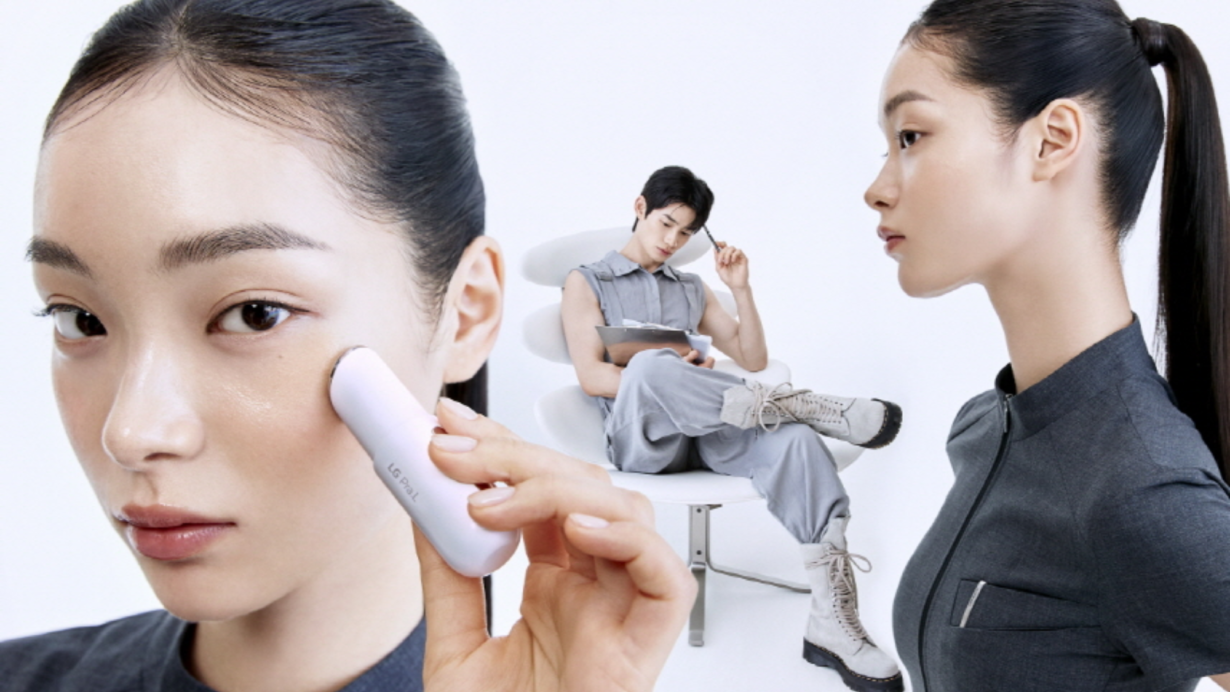
The Next Step Wasn’t Another Serum
Korean beauty built its global reputation on what consumers put on their skin. Serums formulated around a specific active. Ampoules targeting a specific concern. Sheet masks for hydration, brightening, and barrier repair. PDRN, peptides, niacinamide, ceramides. The vocabulary kept expanding, and so did the shelf.
Korean consumers are now shopping in a facial skincare market that is almost absurdly well developed. There are products for nearly every concern, every texture preference, every price point, and every stage of a routine. And when that isn’t enough, there is no shortage of dermatology and aesthetic clinics offering professional treatments.
So the interesting question is not whether Korean consumers still care about skincare. Obviously they do. The question is what a brand does when consumers already have an answer for almost everything you could put in a bottle.
Increasingly, the answer is technology.
Korean consumers are beginning to compare home beauty devices the way they once compared serums. EMS, RF, LDM, and HIFU are becoming part of the vocabulary. New domestic brands are entering the category, creators are reviewing and comparing devices, and Medicube has already demonstrated that Korean beauty technology can travel well beyond Korea.
The device boom is not happening because Korean consumers suddenly discovered technology. They were already familiar with the idea of paying for better results, whether that meant a more advanced skincare product, a visit to a clinic, or an extra step in their routine. The difference now is that brands have another way to deliver that promise at home.
And there is another reason the timing makes sense. As facial skincare becomes harder to differentiate, some brands are moving into adjacent categories such as body, hair, and scalp care. Others are going somewhere more technologically driven. The growing number of Korean skincare-device brands suggests that the opportunity is no longer just about finding another skincare concern to solve. It is about finding another way to solve the concerns consumers already have.
The Category Has Run Out of Low-Hanging Fruit
Korean consumers are unusually educated skincare shoppers. They know the basics of ingredients, understand how to build a routine around a concern, and have spent years being introduced to new actives, textures, and product formats.
The problem for brands is that the market has become very good at giving them something to buy.
Facial skincare in Korea is crowded at almost every level. A consumer can find a product for dryness, pigmentation, pores, sensitivity, firmness, barrier care, and everything in between, with multiple textures and price points competing within each concern. New products continue to launch at a pace that makes meaningful differentiation increasingly difficult.
And Korean consumers have another option that makes the bar even higher. Professional skincare has become a familiar part of the beauty routine, particularly for consumers looking for results that topical products have a harder time delivering. Fine lines, wrinkles, skin elasticity, collagen production, and sagging are areas where consumers increasingly understand that there is a ceiling to what a bottle of skincare can realistically accomplish.
That ceiling is important. Korean consumers are not necessarily expecting a serum to reproduce the results of a professional treatment. They already understand that it cannot. Instead, clinic visits can become the next step when a daily routine is no longer enough for the results they want.
At some point, another bottle starts looking like exactly what it is. Another bottle.
That is also why the appeal of a home device is fairly easy to understand. It cannot reproduce a professional treatment, and brands should not pretend otherwise. But for a consumer who already understands the difference between topical skincare and clinical treatment, a device offers something in between. It brings technology into the home and gives consumers another route toward the kinds of results they have already learned to seek from professional care.
In that sense, the device category is less about replacing skincare than about acknowledging where skincare starts to reach its limits.
This is where the economics of innovation start to change. When consumers already understand the formulation landscape and can roughly assess what a product is trying to do from its ingredients and claims, another active ingredient is not necessarily enough to make a launch feel new.
Meaningful topical innovation increasingly requires proprietary ingredients, genuinely novel delivery systems, stronger clinical evidence, or manufacturing capabilities that smaller and newer brands may not have access to. The cost of meaningful differentiation through formulation has gone up. The return, for many launches, has come down.
This helps explain why some brands are experimenting with increasingly elaborate textures, packaging, and product formats. When the problem being solved becomes harder to find, brands start getting creative about how they present the solution.
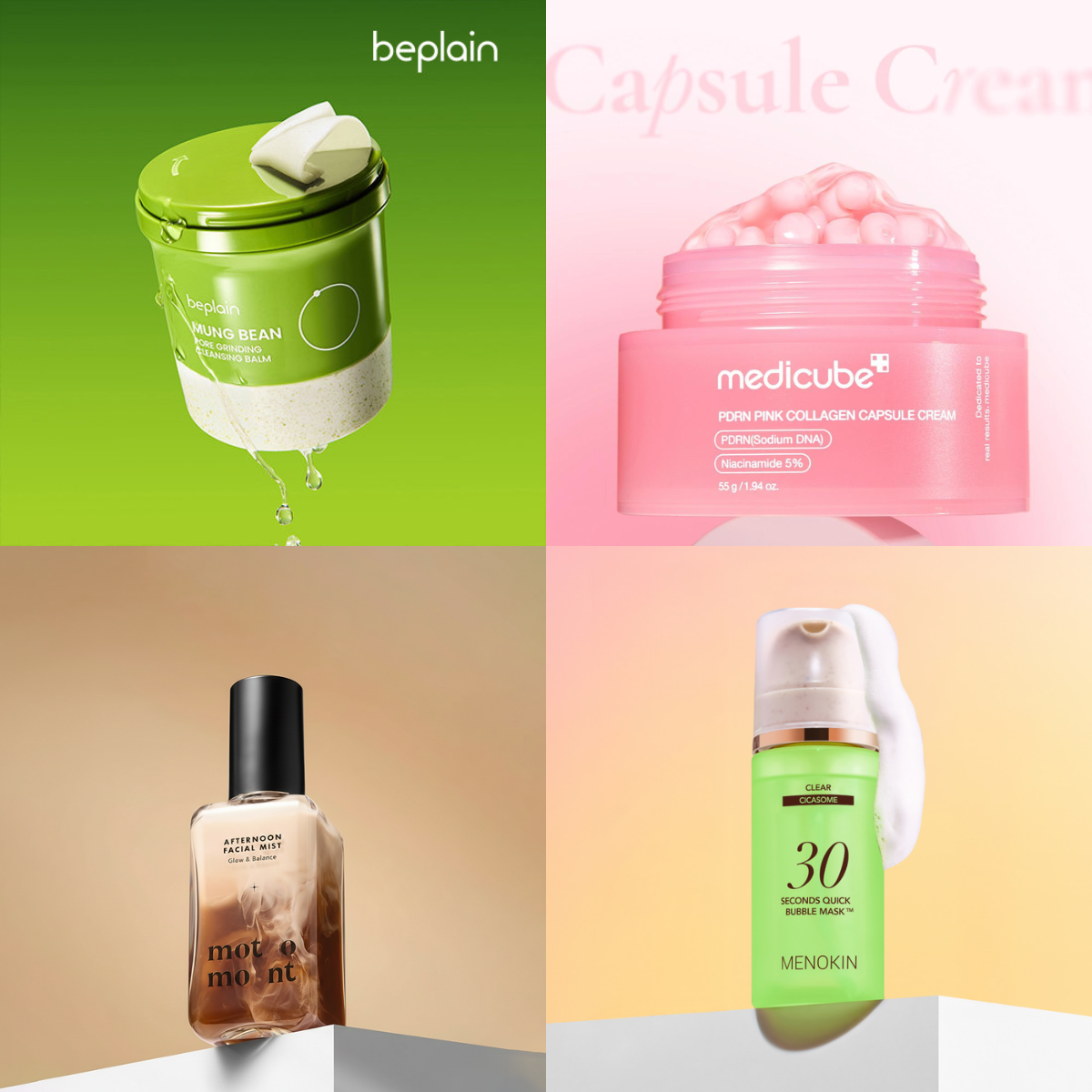
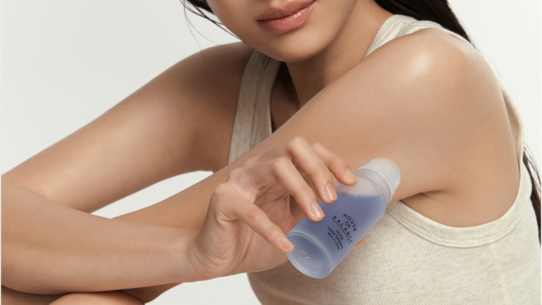
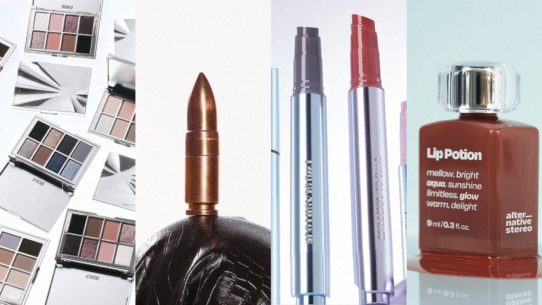
Image: Beplain, Medicube, motomont, Menoskin
Devices offer something much harder for another serum to imitate. They give brands an entirely different dimension on which to compete.
Consumers Who Were Already Ready
The Korean consumer picking up a home beauty device is not starting from zero. They have probably already encountered the logic behind it somewhere else.
Korean consumers are accustomed to professional skincare treatments, from laser procedures and RF lifting to ultrasound-based treatments and skin boosters. They may have experienced these treatments themselves, heard about them from friends, or simply absorbed the vocabulary through celebrities and beauty content. Procedures such as Ulthera and Shurink are not obscure pieces of medical technology to a consumer who has spent years following Korean beauty culture.
That matters because a home device does not have to introduce the idea that technology can be used to improve the skin. That idea is already familiar.
Korean skincare culture has never been particularly hesitant about adding another step if the payoff seems worth it. Guasha is a good example. It is hardly essential to maintaining healthy skin, yet it became a familiar part of some routines because consumers were willing to put in a little more effort when they believed it could improve the result.
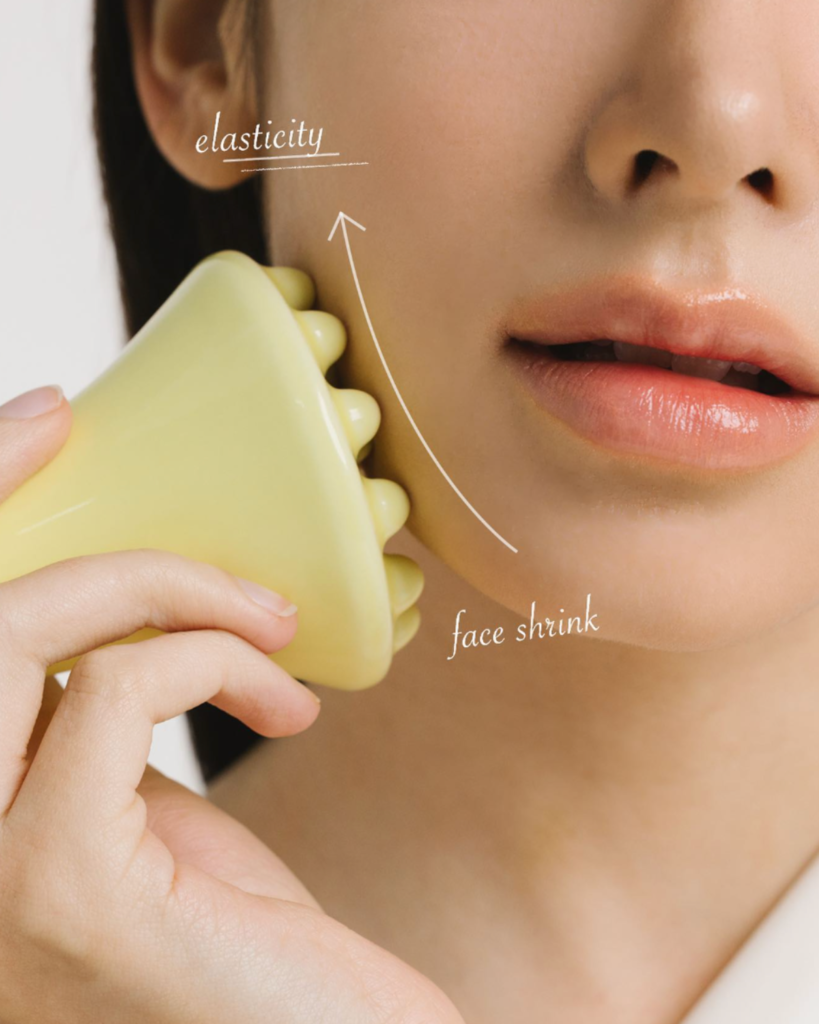
Image: Flona
That mindset makes devices much easier to introduce. Consumers already understand the idea of choosing a treatment based on the result they want. Give them a new technology and they are likely to start comparing it with the other options, rather than wondering why the extra step exists in the first place.
That level of comparison is a sign of a category becoming more sophisticated. Once consumers start sorting through technologies, use cases, and expected results, brands are no longer selling the idea of the category. They are competing within it.
When Skincare Becomes Something You Use
There is a reason skincare devices are so well suited to the way Korean beauty consumers already approach their routines. A topical asks consumers to apply something. A device asks them to actively do something, whether that means moving it across the face, following a treatment mode, choosing a setting, or adjusting the routine around a specific concern.
Guasha already made this kind of behavior familiar. The difference is that devices give the extra step a layer of technology, with different mechanisms designed around different outcomes.
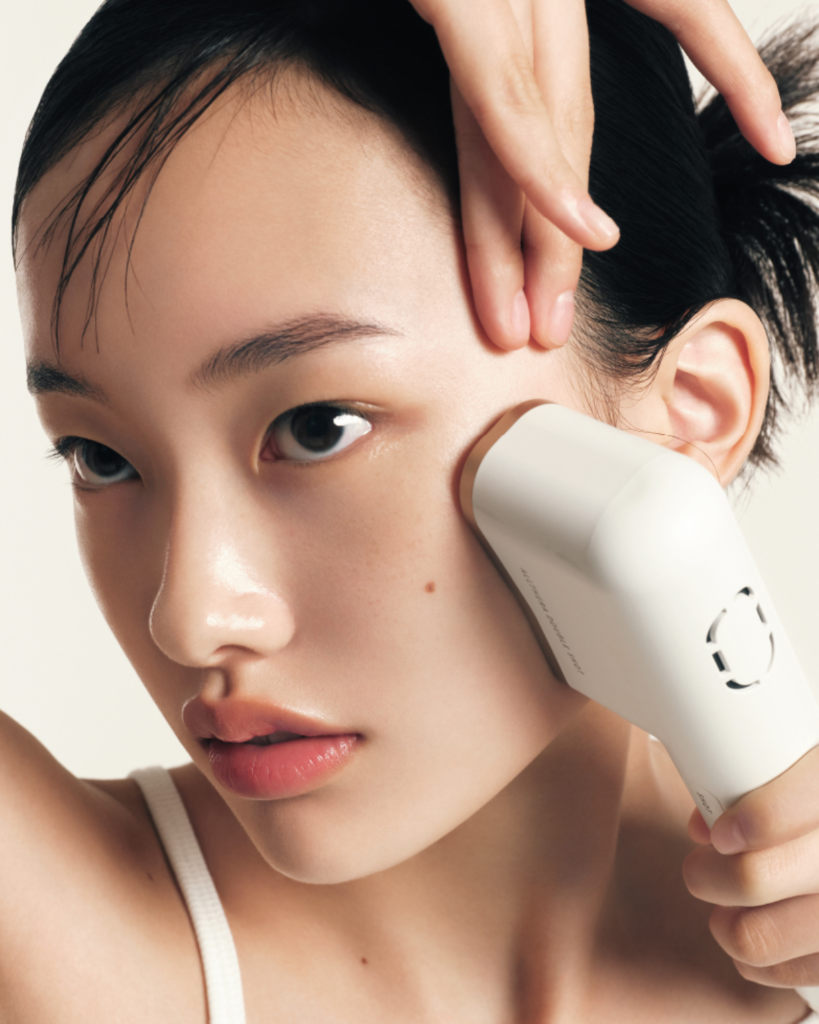
Image: Singles Korea
That variety is becoming increasingly visible in Korea. EMS, RF, LDM, and HIFU are not interchangeable technologies, and Korean consumers are beginning to learn what each one is supposed to do. Lifting, firmness, hydration, texture, and other concerns can now lead consumers toward different devices rather than simply another serum.
You can see the category becoming more sophisticated in the content around it, too. Creators are comparing technologies, explaining how different devices work, and weighing which products make sense for particular concerns and budgets. That kind of content would be difficult to sustain if consumers were only interested in owning a gadget. It works because there is enough variation for people to have an actual decision to make.
Once consumers start comparing technologies instead of simply looking for the newest device, the category has moved into a different stage of maturity.
The Device Gives Brands Somewhere Else to Compete
For brands, part of the appeal is fairly obvious. When facial skincare is already crowded with products competing on ingredients, claims, textures, packaging, price, and increasingly narrow points of differentiation, a device creates a completely different proposition.
It also happens to be a proposition that is much easier to demonstrate.
You can watch someone use a device. You can see how it moves across the face. You can compare two technologies side by side. You can explain what each mode is designed to do. You can show a routine and make the product part of the content itself.
That is particularly valuable while the category is still relatively new. There is plenty left to explain, which gives creators a reason to make comparison videos, reviews, tutorials, and “which device should I buy?” content. A category that has not yet been flooded with the same five content formats gives creators more room to find an angle.
Korean brands are already taking advantage of that space. LG has brought its consumer electronics expertise into beauty through Pra.L, while brands including thome, Quadthera, botem, and Glow.M are developing devices using different technologies and positioning.
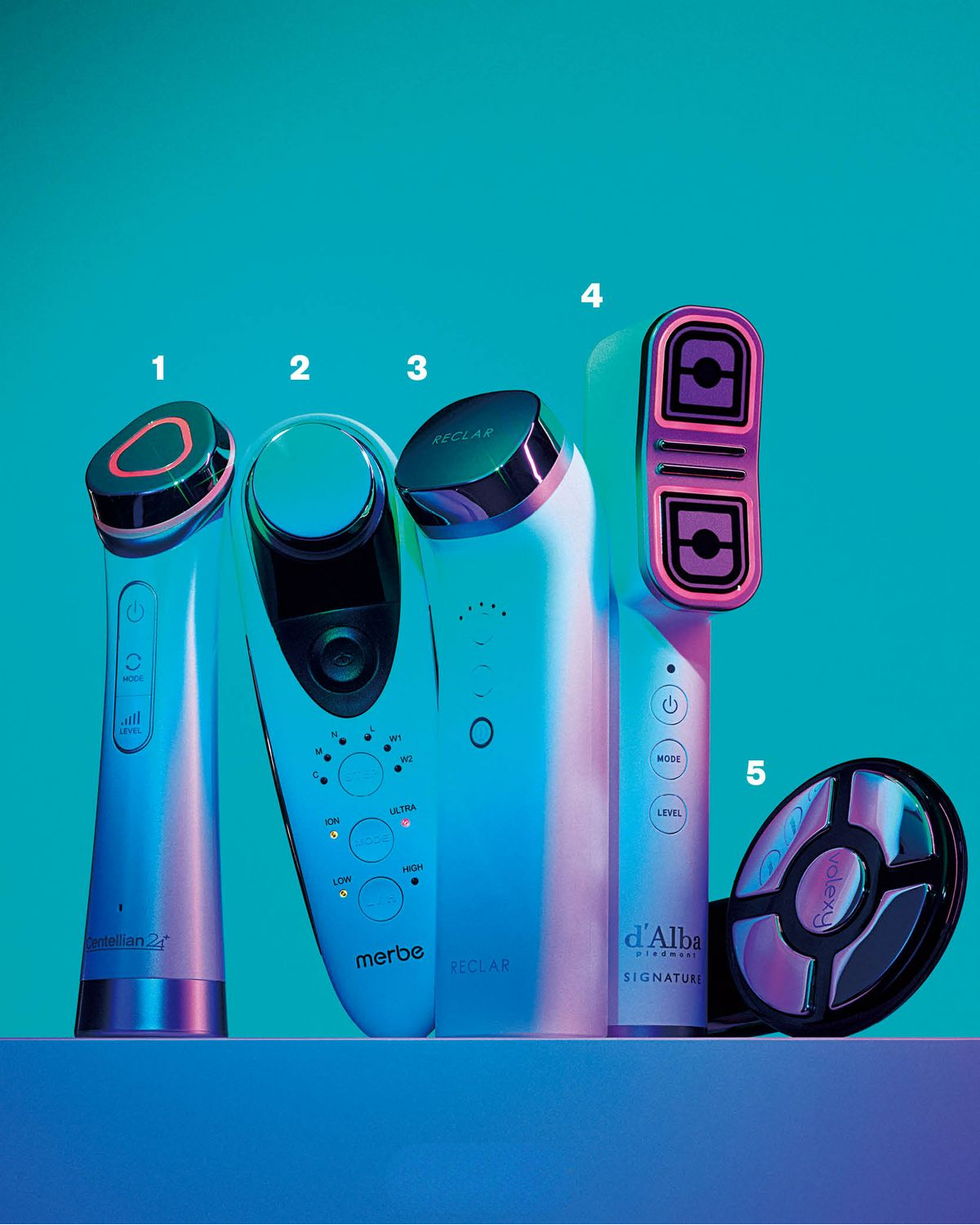
Image: Cosmopolitan Korea
That proliferation is worth paying attention to. One successful device brand could still be written off as a particularly good brand story. A growing field of domestic brands suggests that Korean consumers are becoming an audience for the category itself.
Medicube provides the clearest evidence that this is not confined to Korea. In January 2026, APR announced that cumulative global sales of MEDICUBE AGE-R devices had surpassed 6 million units, with more than 60% of cumulative sales generated outside Korea. The brand had reached 3 million cumulative units by the end of 2024 and added another 2 million in the first nine months of 2025.
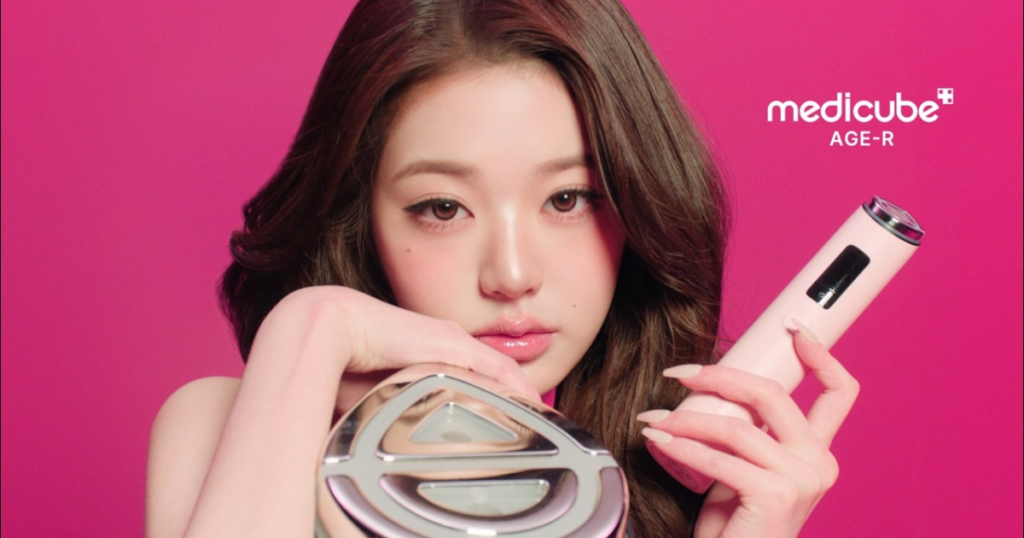
Image: Medicube
The acceleration is more interesting than the headline number. Korean beauty devices have already proved that they can travel. The question now is whether Medicube remains the standout success or becomes the brand that opened the door for a much larger Korean device category.
Celebrities and Creators Are Doing the Category Education
Korean skincare devices are not being introduced through product pages alone. A lot of the education is happening in public, through the people consumers already follow for beauty advice.
Korean celebrities have increasingly shown their home devices in personal YouTube content, interviews, and television appearances. That matters because these are often the same people who have access to professional skincare treatments and openly discuss the procedures they receive. When they show a device being used at home, the product sits within a much larger beauty routine that consumers already understand.
Creators take that one step further. Reviews increasingly go beyond whether a device is “good” and get into the differences between technologies, what each device is designed to address, how they compare in price, and which one might make sense for a particular concern.
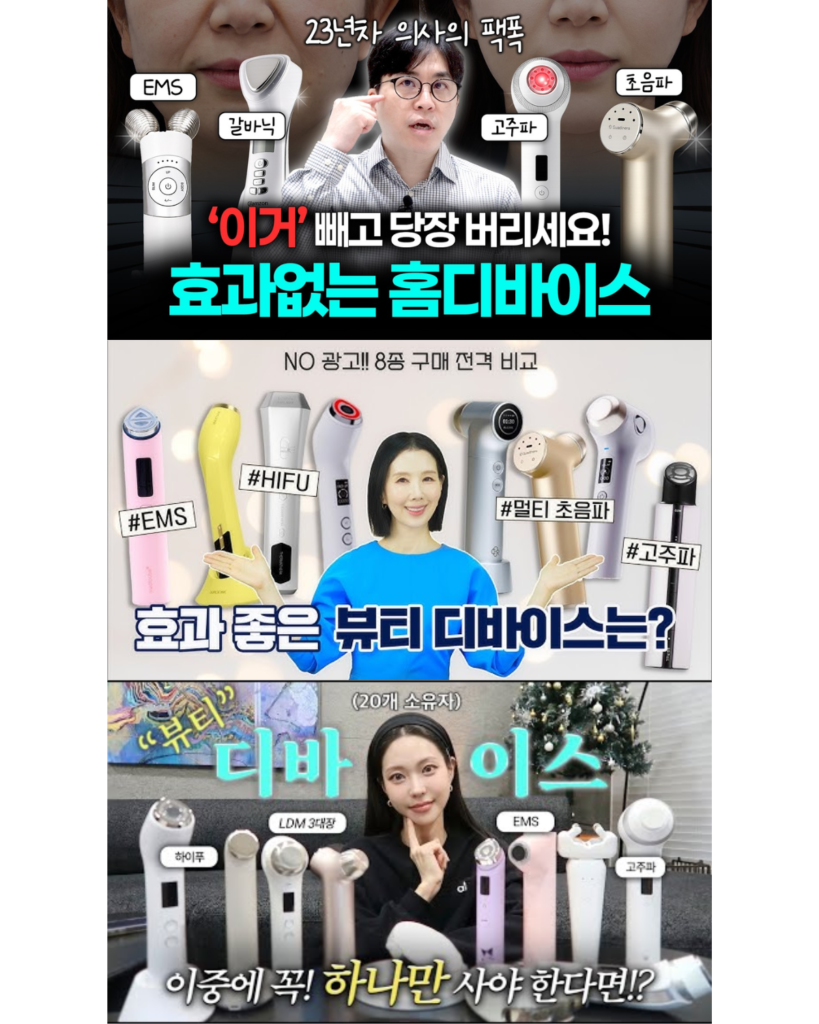
Image: Director Pi, 헤이즐 Heizle, Dr. Lee Yong-seok, the Lifting Doctor
There is still enough white space in the category for this content to feel useful rather than repetitive. Compare that with facial skincare, where another review can easily disappear into an endless stream of similar products. Devices give creators something new to explain, demonstrate, compare, and test.
Korea’s broader consumer ecosystem makes that especially powerful. A trend does not have to stay in the industry where it started. Once celebrities make a product visible, creators can explain it, retailers can give it more space, and brands can respond with their own versions. Each touchpoint reinforces the others.
Skincare devices happen to be almost perfectly designed for that system. They are visual, demonstrable, technology-driven, and easy to turn into content. The category can teach itself while it markets itself.
What Global Brands Should Actually Take From This
If you work in beauty, the easy takeaway is that Korean skincare devices are growing and that Medicube has proven there is global demand.
That is true, but it is also the least interesting part.
The more useful question is why the category found an opening in Korea in the first place. Korean consumers were already highly educated about skincare. They were already comfortable paying for professional treatments when topical products could only take them so far. They were already willing to add extra steps when they believed those steps produced better results. And they were already accustomed to learning about beauty through a constant stream of creators, celebrities, and product reviews.
The device category arrived in a market where the consumer behavior was already there. The product simply gave those behaviors somewhere new to go.
That is the part worth borrowing from Korea. A new category does not always need to be created from scratch. Sometimes the better opportunity is sitting inside an existing behavior that has become sophisticated enough to support something new.
For global brands, that means looking beyond the product that is currently trending and asking what consumers have already been trained to do. If consumers are already using tools, booking treatments, comparing technologies, or following increasingly specialized content around a concern, the next opportunity may be closer than it looks.
Korea’s device boom is useful precisely because it shows what happens when consumer sophistication starts pushing against the limits of an established category.
When the Next Innovation Is Somewhere Else
Korean skincare did not suddenly stop innovating in formulas. It reached a point where formula alone became a harder place to create meaningful separation.
Korean consumers already have an enormous range of products to choose from. They understand ingredients and routines, and they know when a serum is likely to be enough and when they need something more. They can buy another product, visit a clinic, or add another step to the routine depending on the result they want.
That is a very different market from one where consumers are still discovering the basics.
Skincare devices make sense in that environment because they answer a different kind of demand. They give consumers another way to pursue results when topical products have reached their practical limits, while giving brands another way to innovate when another skincare topical is becoming increasingly difficult to distinguish.
And that is why the device story is bigger than devices.
The useful signal for global brands is what happens when a mature category starts running out of obvious places to go. Some brands will move into adjacent categories. Others will find new formats, new technologies, or new ways for consumers to interact with the product. The category does not necessarily become less innovative. Innovation simply moves somewhere else.
Korea’s skincare-device market is an early example of that movement. The consumers were ready, the category had room to grow, and the technology gave brands a new competitive space.
So if another market starts looking a little too crowded, the question may not be what the next serum should contain.
It may be what consumers could do instead.
In Korea, that next battleground happens to be technology.
The more useful signal for global brands is knowing what made that shift possible. Consumers were already educated. Professional treatments had already made technology familiar. Beauty routines had already become complex enough to accommodate another active step. Creators and celebrities were already teaching the category in public.
The device did not create those behaviors. It arrived when the market was ready for it.
And that may be the bigger lesson from Korea’s device boom. The next major category opportunity may not begin with a product. It may begin when consumers have quietly developed the habits, knowledge, and expectations that make a new kind of product feel obvious.
Sources
- PRNewswire / APR Co., Ltd. — “APR Exceeds 6 Million Units in Global Sales of MEDICUBE AGE-R Beauty Devices” (6 million unit milestone, 60%+ outside Korea, Booster Pro as flagship, APEC selection, modular expansion, January 29, 2026): https://www.prnewswire.com/apac/news-releases/apr-exceeds-6-million-units-in-global-sales-of-medicube-age-r-beauty-devices-strengthening-leadership-in-home-beauty-tech-302671022.html
- The Investor / Korea Herald — “APR’s Medicube hits 5m global sales amid home beauty boom” (5 million milestone September 2025, launch history from 2021, 3 million by end 2024, 2 million in 9 months of 2025): https://www.theinvestor.co.kr/article/10599112
- Cosmetics Design Asia — “K-beauty firm behind Medicube sees global expansion propelled by demand for cost-effective next-gen devices” (CES 2024 participation, US product lineup, brand positioning around beauty-device lifestyle): https://www.cosmeticsdesign-asia.com/Article/2024/01/08/Firm-behind-medicube-sees-global-expansion-propelled-by-demand-for-cost-effective-next-gen-devices/
- APR Co., Ltd. (KOSPI listed) — company background, MEDICUBE, MEDICUBE AGE-R, and Aprilskin brand portfolio: https://www.cbinsights.com/investor/apr
- The Allure Edition — “Medicube Korean Device: Is It Worth It?” (consumer review, viral timeline 2022-2024, creator coverage, product positioning): https://www.theallureedition.com/medicube-korean-beauty-device/