

The Bakery That Proves the Point
Most global licensing deals miss the point entirely. A brand prints its logo on a graphic tee, runs a four-week pop-up, and calls it an innovation strategy. Korean operators play a completely different game.
Walk through Shinsegae Gangnam’s Sweet Park on any given afternoon and the crowd around the bakery counter makes that difference obvious. Pompompurin, the golden retriever character created by Sanrio, anchors Korea’s first official Pompompurin Bakery Café. Yellow custard pastries, warm chestnut loaves, and caramel-toned counters line the space, building an entire retail environment around the character’s world.
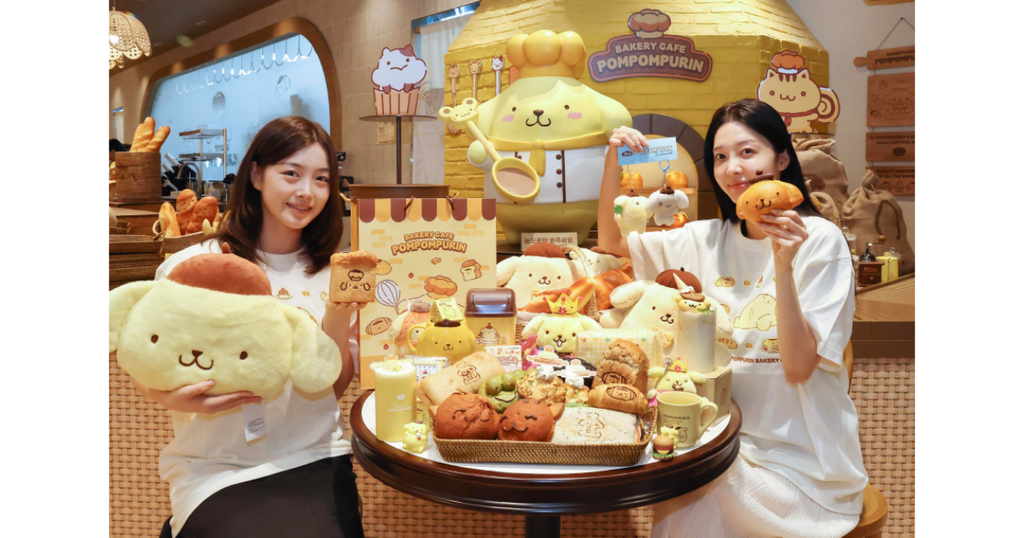
Image: Shinsegae Group
The clever part is how little explanation any of this requires. Pompompurin’s name comes directly from purin, the Japanese word for custard pudding. Sanrio created a character who bakes and looks remarkably like custard pudding, yet spent decades marketing the character on pencil cases, stationery, and plush toys. When a Korean retail operator finally built an actual bakery around the character, the concept did not feel like a stretch. It felt like the character had finally arrived home.
That instant clarity points to a specific talent Korean companies have quietly perfected over the past decade. They excel at spotting the implicit promise inside a foreign brand, peeling that identity away from its original business, and giving it somewhere far more lucrative to live.
Unhooking Identity from the Core Business
Sanrio never designed Pompompurin to operate as a full-scale food and beverage enterprise. Korean operators simply recognized that the character’s color palette, name, and underlying lore already contained a fully formed bakery waiting to happen. For dedicated fans, the venue validates the backstory. For anyone else wandering past, the freshly baked pastries and warm visual cues explain the character within thirty seconds.

Image: Fashionbiz
This habit of unhooking a brand from its starting point has created some of the most profitable commercial models in Korea. Instead of paying for a license just to print a logo on a basic t-shirt, domestic operators look for the emotional residue sitting beside the core product, translating those feelings into apparel, hospitality, or physical spaces.
Converting Media into Technical Gear
Look at how fashion powerhouse F&F tackled the local outdoor apparel market back in 2012. After failing to succeed through its first outdoor brand, The Door, against established brands, the company secured a license for the name of an American cable network, Discovery.
A television network occupies screen time showing people trekking through wilderness and studying rare wildlife. Technical outerwear gives consumers a physical way to embody those exact same ideas. F&F took the network’s underlying associations with curiosity and exploration and stitched them directly into down jackets and trail gear. Discovery Expedition eventually recorded $300 million in Korean sales in a single year, climbing to the number two outdoor brand in the country right behind The North Face.
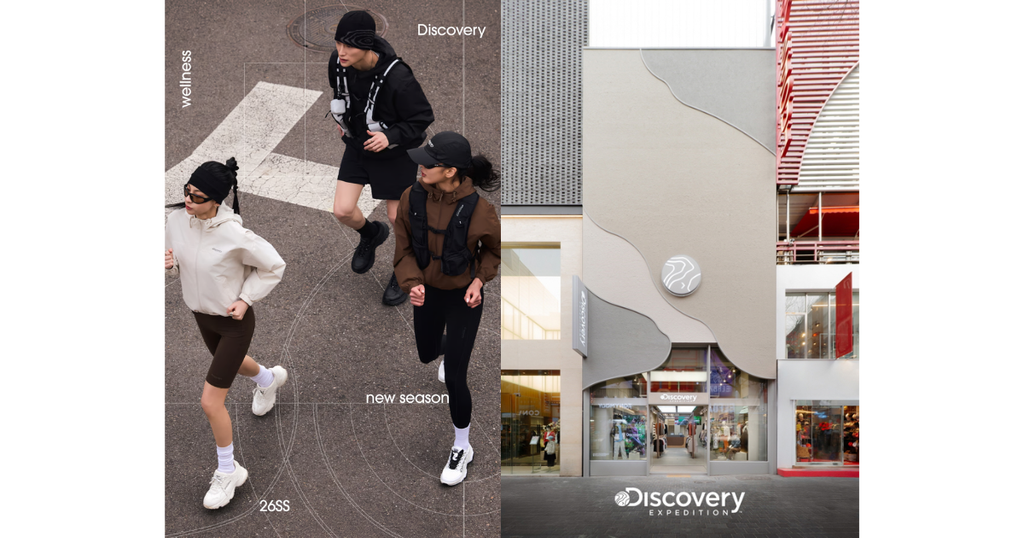
Image: Discovery Expedition
The product was never about selling television programming. It was about selling what the television network already made people feel.
Extracting the Aesthetic from the Arena
F&F ran the exact same playbook when converting Major League Baseball into a regional fashion juggernaut. Holding the local clothing license for MLB, the team realized that for millions of younger consumers across Asia, the value of the brand had almost nothing to do with live baseball broadcasts or team rosters.

Image: MLB Korea
In markets like China, where professional baseball maintains a relatively niche following, New York Yankees and Los Angeles Dodgers caps transformed into ubiquitous symbols of everyday street style. By 2022, MLB-branded fashion generated over $700 million in sales in China alone. The team logos escaped the sport entirely, leaving the typography, heritage, and distinctly American athletic mood to operate as a standalone fashion language.
The Commercial Mechanics of Adjacent Space
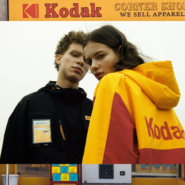
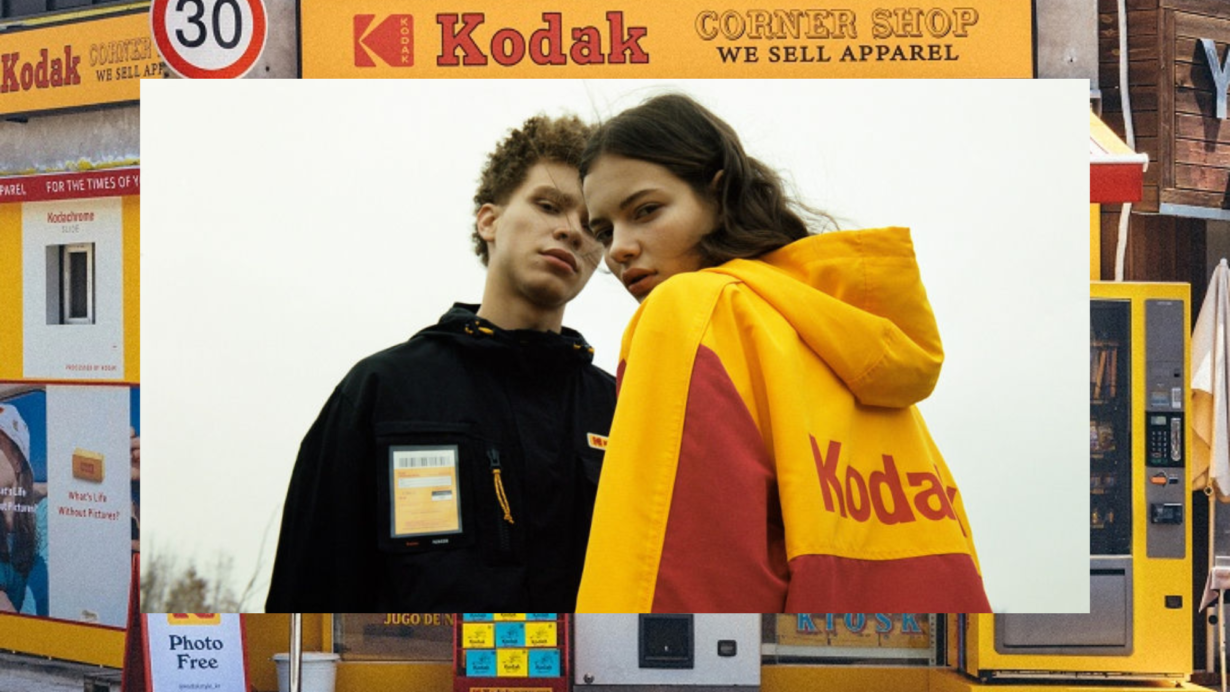
When these examples sit side by side, the underlying mechanics become impossible to ignore. A character with culinary ties becomes a physical bakery, while a documentary channel focused on nature converts into technical outdoor apparel. A professional sports league transforms into a regional streetwear staple, just as a camera brand like Kodak morphs into nostalgic apparel. Even heritage names like National Geographic and Jeep re-emerge seamlessly as outdoor lifestyle gear.
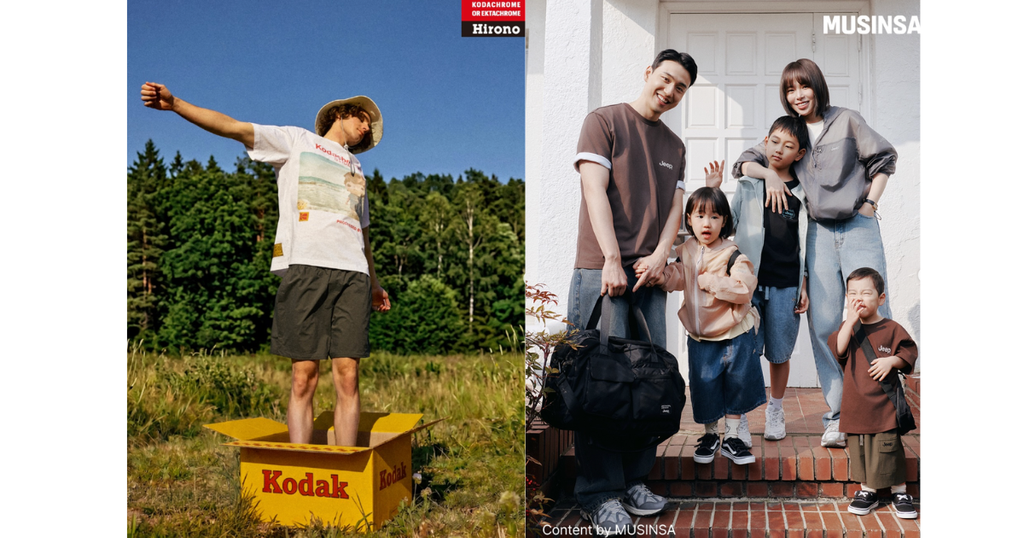
Image: Kodak Apparel, Jeep Wear
These are not one-off seasonal collaborations where a graphic gets stamped onto a hoodie for three months. They represent massive, long-term businesses built on the premise that a brand’s most valuable asset often sits right beside its primary line of work.
Korean companies enjoy a distinct home-ground advantage when executing this shift. Bringing a foreign brand into the local market strips away its legacy baggage. A consumer in Seoul can embrace Discovery or MLB purely through its visual resonance, unhooked from scheduled cable television guides or division standings. The brand identity gains room to breathe, leaving operators free to build a business around what makes sense locally.
Finding the Next Unlocked Category
The larger takeaway for global brand strategists, marketing directors, and innovation leads is remarkably simple. A brand’s true meaning rarely stays neatly contained inside the industry that created it.
Standard brand expansion usually looks like playing it safe within familiar boundaries, like launching a new product flavor or tweaking a seasonal silhouette. The Korean market shows what happens when teams isolate the feeling a brand creates, then build a business in whichever category makes that feeling most tangible.
The next major growth category for a brand might not require inventing a whole new narrative. It might just mean asking where that brand would make the most sense if its original product disappeared overnight.
Looking at Your Brand Strategy
Uncovering the hidden signals in Korean consumer culture requires looking past surface-level trends. If you are exploring how Korean market shifts, consumer behavior, and category movements can open new opportunities for your business, Siseon works with global teams to turn these observations into strategic advantage.
To discuss custom research, field intelligence, or strategic advisory for your team, connect with us directly at hello@siseonhq.com or fill out the contact form.
Sources
- Shinsegae Group — Shinsegae Opens Pompompurin Bakery Cafe: https://www.shinsegaegroupnewsroom.com/shinsegae-cafe-unveils/
- Herald Economic Daily — F&F announces acquisition of Discovery Expedition global trademarks and IP from Warner Bros. Discovery for $80 million (2025): https://biz.heraldcorp.com/article/10840628
- Wikipedia (Korean) — Discovery Expedition brand history, founded 2012 via F&F licensing agreement, 170+ stores in Korea: https://ko.wikipedia.org/wiki/%EB%94%94%EC%8A%A4%EC%BB%A4%EB%B2%84%EB%A6%AC_%EC%9D%B5%EC%8A%A4%ED%8E%98%EB%94%94%EC%85%98
- Namu Wiki — F&F launches “The Door” with same products as Discovery Expedition, poor sales; relaunches as Discovery Expedition, success. Also holds MLB Asia license: https://namu.wiki/w/%EB%94%94%EC%8A%A4%EC%BB%A4%EB%B2%84%EB%A6%AC
- KED Global — Discovery Expedition reaches 464.8 billion won ($337M) domestic sales in 2023, #2 outdoor brand after The North Face in Korea: https://www.kedglobal.com/fashion/newsView/ked202407180004
- KED Global — MLB apparel generates 1.2 trillion won in China in 2022; Goldman Sachs calls F&F the fastest growing foreign brand in China over the past decade: https://www.kedglobal.com/retail/newsView/ked202305210001
- WPIC Marketing — MLB generates nearly $1 billion in China 2022, top-grossing Korean consumer brand there; most Chinese MLB wearers are not baseball fans: https://wpic.co/blog/how-mlb-became-china-hottest-lifestyle-brand/
- Hello Kitty Fandom Wiki — Pompompurin character profile, name etymology from “purin” (custard pudding), baking associations, Hello Kitty’s Bake Off episode: https://hellokitty.fandom.com/wiki/Pompompurin