



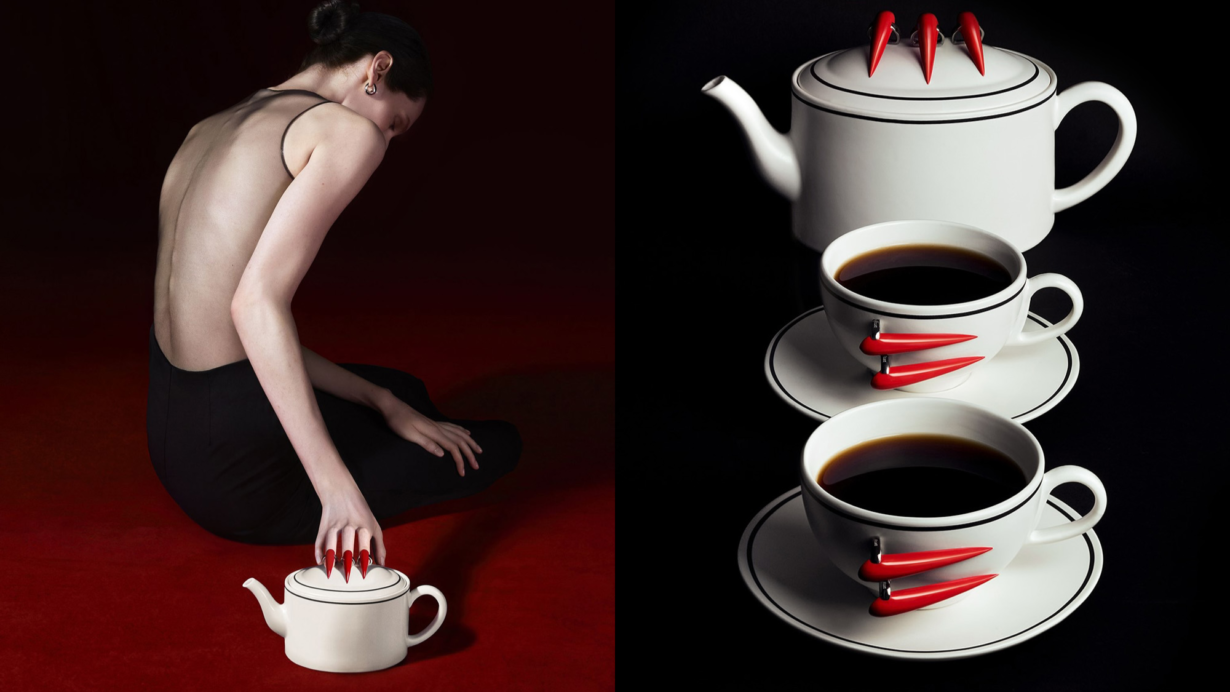
The Changing Korean Home
A creator wanders through a boutique homeware shop while the camera glides past handmade ceramics, sculptural mugs, vibrant glassware, and wooden utensils. Narration is minimal because the objects command attention on their own. These videos showcasing boutique homeware shops, haul reveals, and neighborhood store walkthroughs have exploded across Korean social feeds.
In Korea, this content reflects a real behavioral shift. Shoppers hunt down independent boutiques to buy single, expressive pieces rather than uniform matching sets. They choose objects based on color, texture, and emotional resonance. The home is no longer being quickly furnished in bulk. It is now being carefully curated, one object at a time.
From Sets to Personal Taste
Korea’s honsu tradition treated tableware as a bulk marital investment, filling cupboards with identical ceramic sets. Today, with single-person households accounting for 36 percent of the country, consumers are abandoning uniform sets for individual, design-forward pieces.
This shift is amplified by compact urban living, where open layouts turn everyday kitchenware into visible decor, making one striking mug or handcrafted bowl far more desirable than a dozen matching plates.
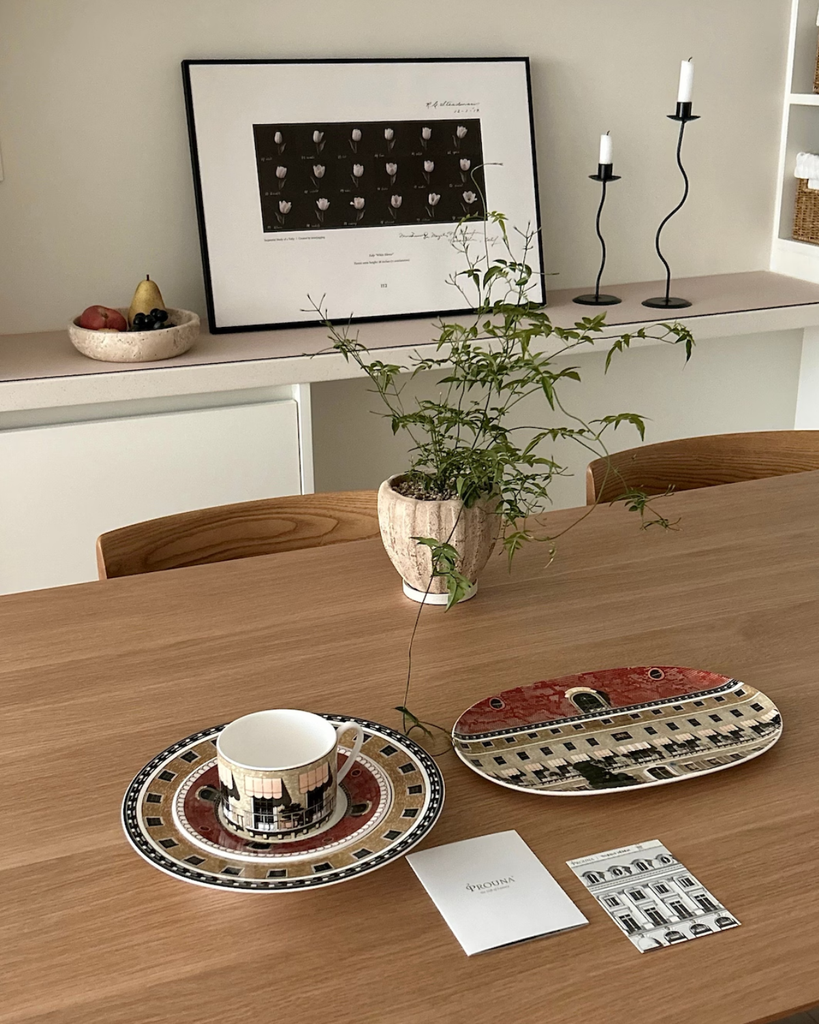
Image: Instagram @alcong__home
As skyrocketing property, furniture, and major renovation costs price younger demographics out of major property investments, collecting unique homeware gives these shoppers a practical way to exercise personal taste and upgrade their surroundings.
How Creators Changed Discovery
Media culture accelerated this behavioral shift. Years of watching shows like Culinary Class Wars and Please Take Care of My Refrigerator brought fine-dining aesthetics and home culinary craft directly into mainstream viewing.
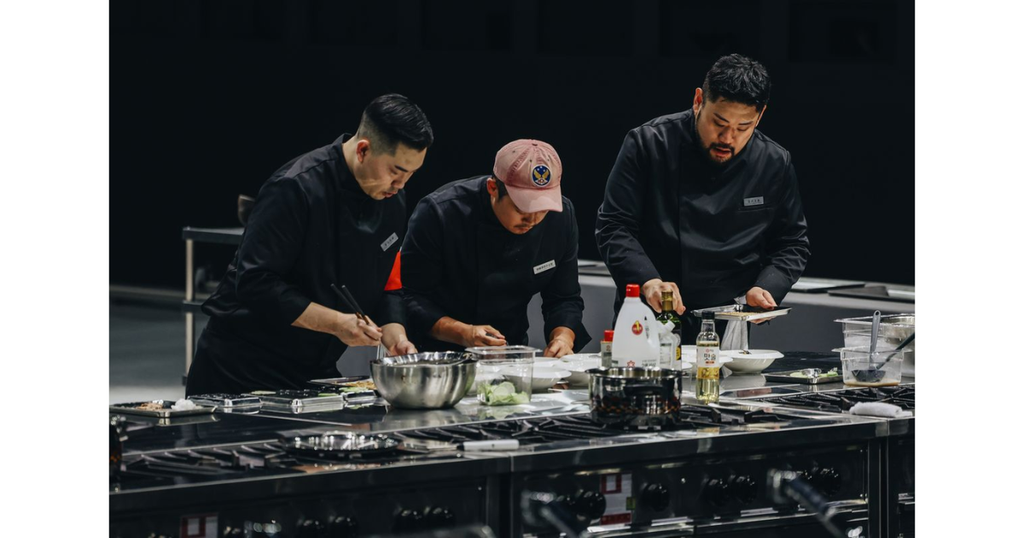
Image: Netflix
When precise plating becomes a default visual language, tableware stops fading into the background. Material, shape, and color take center stage, turning a simple bowl into an intentional aesthetic choice.
Vlogs from mega creators like Ondo and PlanD reinforce this mindset through slow-paced, detail-rich depictions of everyday domestic routines centered around cooking as their main comfort content for viewers.
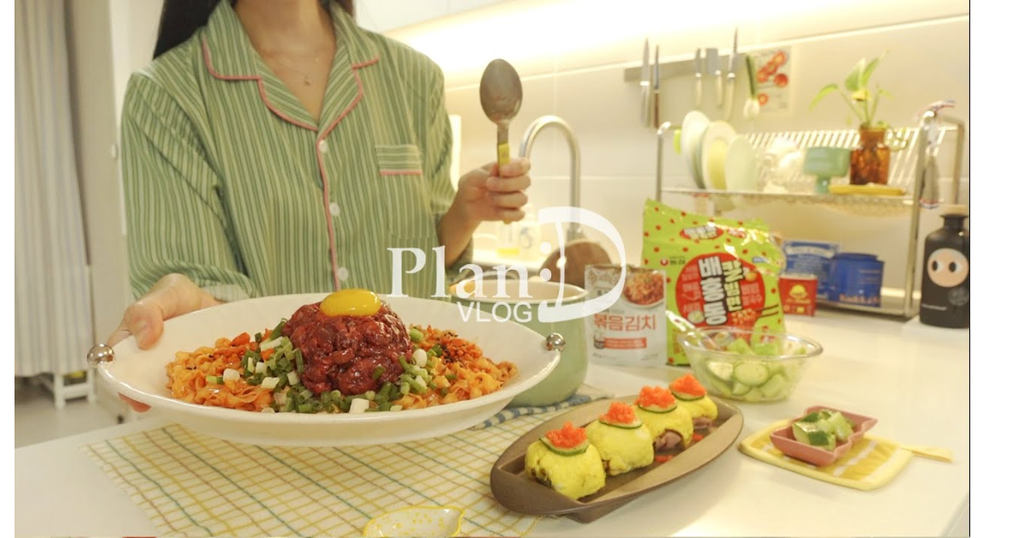
Image: PlanD YouTube Channel
Other creators take viewers shopping for homeware, film store tours, or share their latest purchases.
This drives a seamless discovery loop where viewers visit the neighborhood select shop, bring the piece home, and share it online, allowing tableware to circulate with the velocity of fast fashion.
The New Homeware Shop
Homeware is becoming easier to discover because there are more places designed around discovery.
Independent shops such as Chapter1, Things We Love, Mirabelle, My Pleasure Gallery, and Hyundai Gimul & Parkgeureut bring together products that consumers might not encounter through conventional retail. Handmade ceramics sit alongside glassware, cutlery, furniture, and pieces from emerging or established makers.
The experience is deliberately open-ended. Someone might come in looking for a bowl and end up discovering a new Korean brand or an entirely different way of thinking about the table.
Social media has helped turn these shops into destinations in their own right. Shopping guides and short videos give people a reason to visit a particular neighborhood, browse several stores, and see what they find.
Independent homeware shops are becoming destinations for consumers looking to discover new brands, objects, and design ideas.
That matters because discovery changes the way people shop. Once consumers have places where they can browse, compare, and develop their own preferences, homeware becomes much easier to treat as a category of personal taste.
Korean Craft Goes Mainstream
This homeware evolution sits inside a broader cultural reappraisal across Korea, where consumers actively embrace heritage craft reinterpreted for modern spaces.
Brands and retailers are bringing Korean materials, shapes, and craftsmanship into homes without requiring the surrounding space to look traditionally Korean. Ilsang Yeoback, for example, sources products from Korean artists and artisans, offering pieces that draw from Korean craft while fitting naturally into contemporary interiors. Eden Pottery in Itaewon takes a more traditional approach, with Korean ceramic pieces that foreground the country’s long pottery tradition.
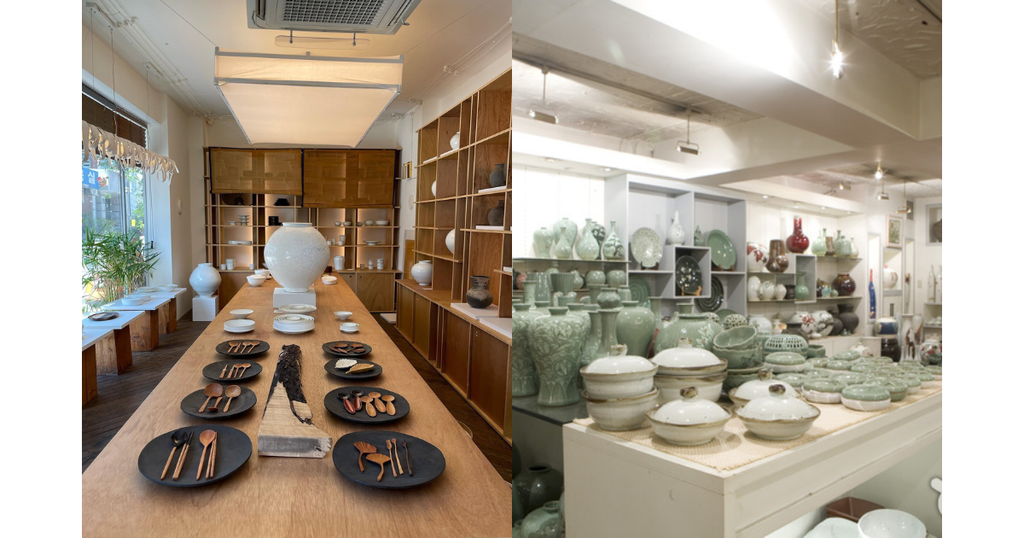
Image: Ilsang Yeoback, Korea Tourism Organization
Beyond tableware, this wave extends into other Korean traditions like Korean fortune telling, jade accessories, and interior design elements through contemporary products, fashion, design, and lifestyle goods.
Rather than chasing historical nostalgia, younger consumers are actively redefining how Korean tradition functions in modern homes. Contemporary ceramics and traditional yugi brassware now complement minimalist interiors without looking like relics. Consequently, homeware purchasing decisions extend beyond surface aesthetics. By integrating modernized heritage craft into everyday domestic routines, buyers participate in a much larger cultural shift that reinterprets tradition rather than simply preserving it.
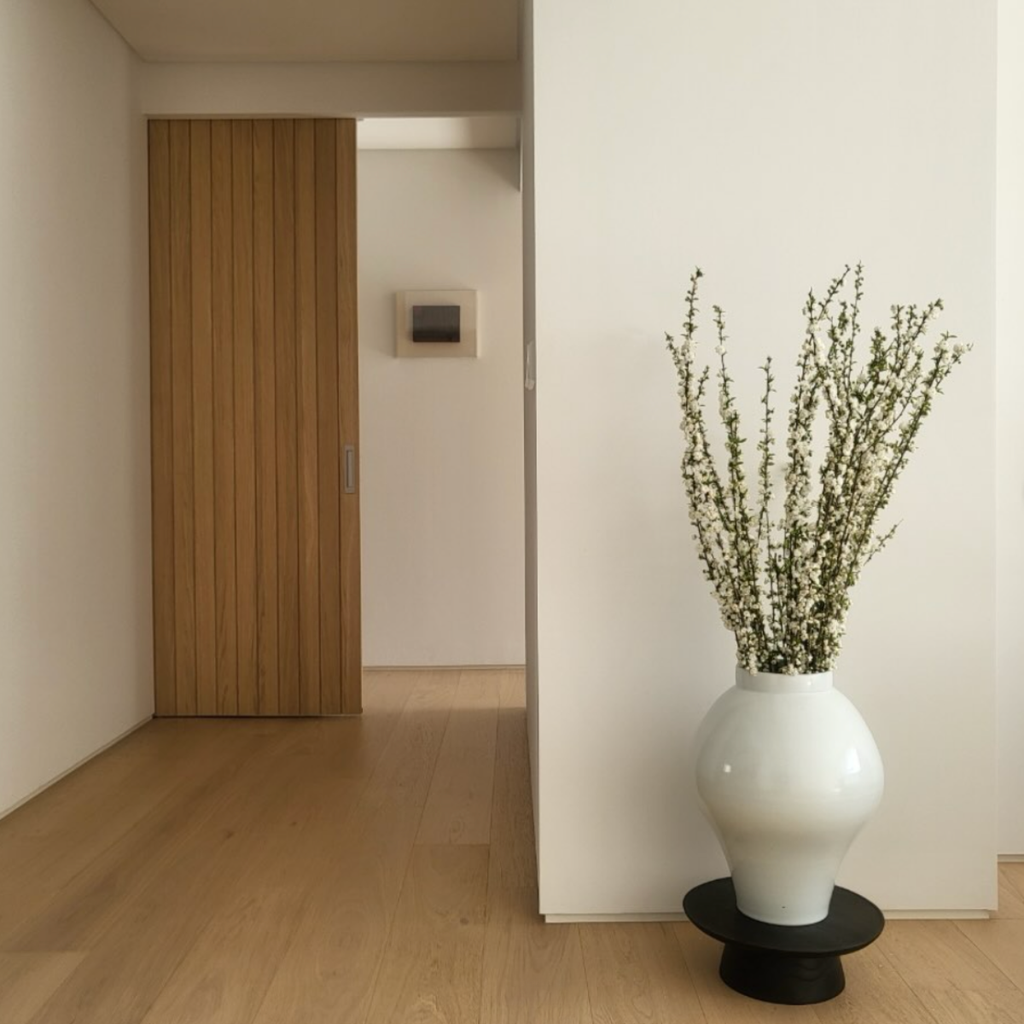
Image: Ilsang Yeoback
Korean Brands Shape the Category
As the homeware category expands, Korean brands and artists are finding more room to build identities around objects that were once expected to remain largely functional.
Nuflaat capitalized on this shift early, delivering bold, sculptural tableware designed to carry clear artistic personality. Heritage ceramicist Kwangjuyo takes the opposite entry point, adapting centuries of Korean pottery traditions into contemporary dining pieces for everyday use.
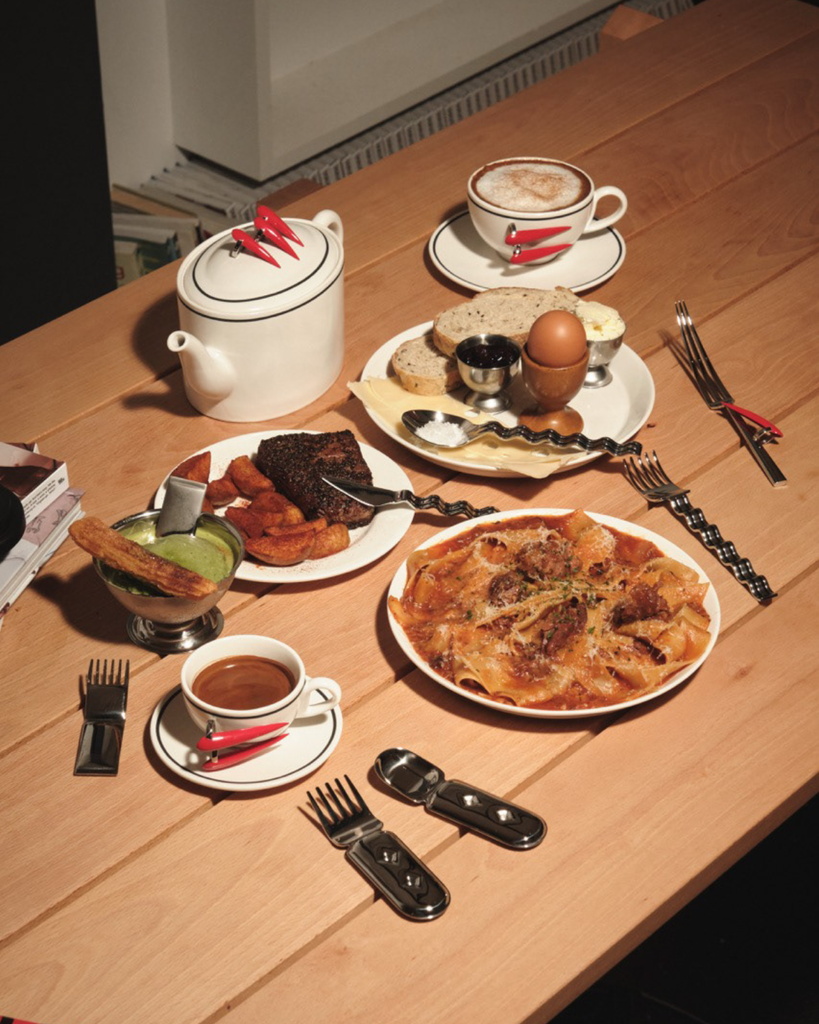
Image: Nuflaat
This growth is accelerated by hybrid discovery platforms like Print Bakery, which operates seven physical locations alongside its digital storefront to connect artists directly with lifestyle buyers through dishware and home decor. Retailers now actively incubate artist awareness rather than merely servicing existing demand. Now, consumers might discover a retailer’s social media account, buy a small functional object, and eventually collect the artist’s broader work.
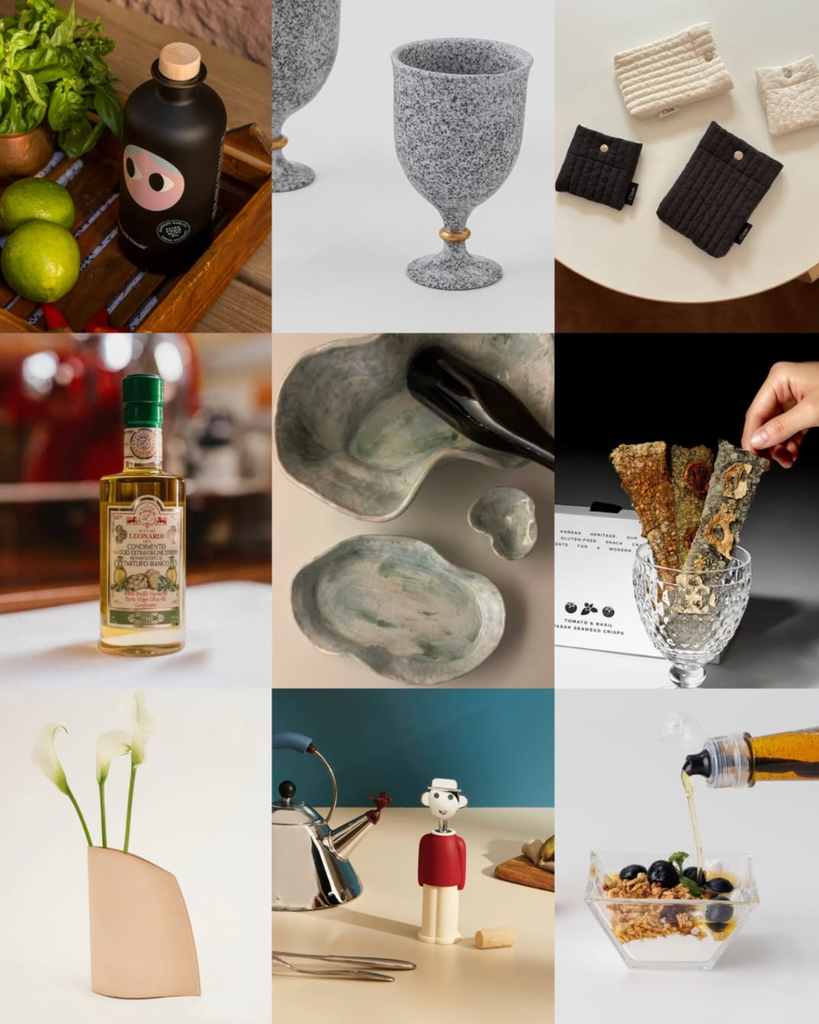
Image: Print Bakery
As shoppers begin recognizing specific makers, materials, and design languages, homeware sheds its commodity status and transforms into a brand-driven category built on distinct points of view.
The Bigger Signal for Global Brands
Korea’s homeware boom demonstrates how a purely functional goods transforms into a high-desire lifestyle category.
Demand did not expand because dishware became more practical. It grew because home café culture, food media, independent select shops, and compact single-person living converged to make individual tableware objects deeply visible.
Modernized heritage craft gave the category cultural depth, and local brands established clear design signatures.
None of these factors required tableware to become fundamentally more useful; they simply made it visible. This commercial blueprint applies far beyond domestic goods.
The same mechanism applies across adjacent sectors: beauty transitions into self-care rituals, food becomes visual media, and everyday items gain premium value once buyers start evaluating them through the lens of personal identity.
When Everyday Objects Start to Matter
Korea’s emerging homeware culture shows how quickly a mature, ordinary category can gain cultural momentum. A single plate now connects daily dining to traditional craftsmanship, while a glass or mug serves as both functional tableware and personal room decor.
The core products remain unchanged, yet consumer perception has shifted entirely. Reinvigorating mature categories rarely requires radical product redesigns; it demands new social contexts, daily rituals, and discovery pathways.
Homeware is thriving in Korea because the living space itself has become something worth curating. As Korean consumers turn their living spaces into personal galleries, homeware demonstrates how ordinary domestic objects can be reframed into compelling expressions of identity and lifestyle.
Looking at Your Brand Strategy
Uncovering the hidden signals in Korean consumer culture requires looking past surface-level trends. If you are exploring how Korean market shifts, consumer behavior, and category movements can open new opportunities for your business, Siseon works with global teams to turn these observations into strategic advantage.
To discuss custom research, field intelligence, or strategic advisory for your team, connect with us directly at hello@siseonhq.com or fill out the contact form.
Sources
- Longblack (May 2024) — Chapter1 origin story, select shop concept, early product introduction of Korean craft alongside international design, yugi and soban as early lifestyle objects, “proposing trends a step ahead”: https://longblack.co/note/1056
- Eyesmag (March 2026) — House of Chapter1 opens at Naion Hannam: https://www.eyesmag.com/posts/162742/house-of-chapter1
- Statistics Korea — one-person household share 36.1% in 2024: referenced in multiple Korean publications