


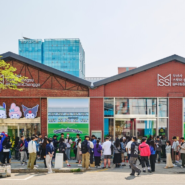
Diversifying the Coffee Break
Korea ranks among the most coffee-saturated environments in the world. Drinkers consume coffee almost like water, fitting lattes and iced Americanos into every conceivable window of the day.
Domestic market valuation reached approximately $2.7 billion in 2024, reflecting a 35.6% increase since 2018 based on data from the Ministry of Agriculture, Food and Rural Affairs and the Korea Rural Economic Institute. However, mature market density is triggering a structural diversification in beverage consumption.
Consumers are not abandoning coffee outright, but rather auditing their daily caffeine intake and seeking functional variety. This behavioral shift is accelerating mainstream adoption of decaffeinated formulas, alternative roasted grains, and specialty teas targeting Gen Z and millennial demographics.
Experiential teahouses and specialty beverage concepts are monetizing this shift by positioning non-coffee offerings as wellness-oriented rituals, expanding the commercial definition of the traditional Korean break.
The Rise of Alternative Coffee and Functional Wellness
The rapid acceleration of decaffeinated coffee and grain-based alternatives (daeche-keopi) highlights a fundamental shift in Korean consumer behavior.
Products utilizing roasted barley, chicory, date seeds, and botanical blends offer the sensory familiarity of espresso without the physiological side effects of caffeine.
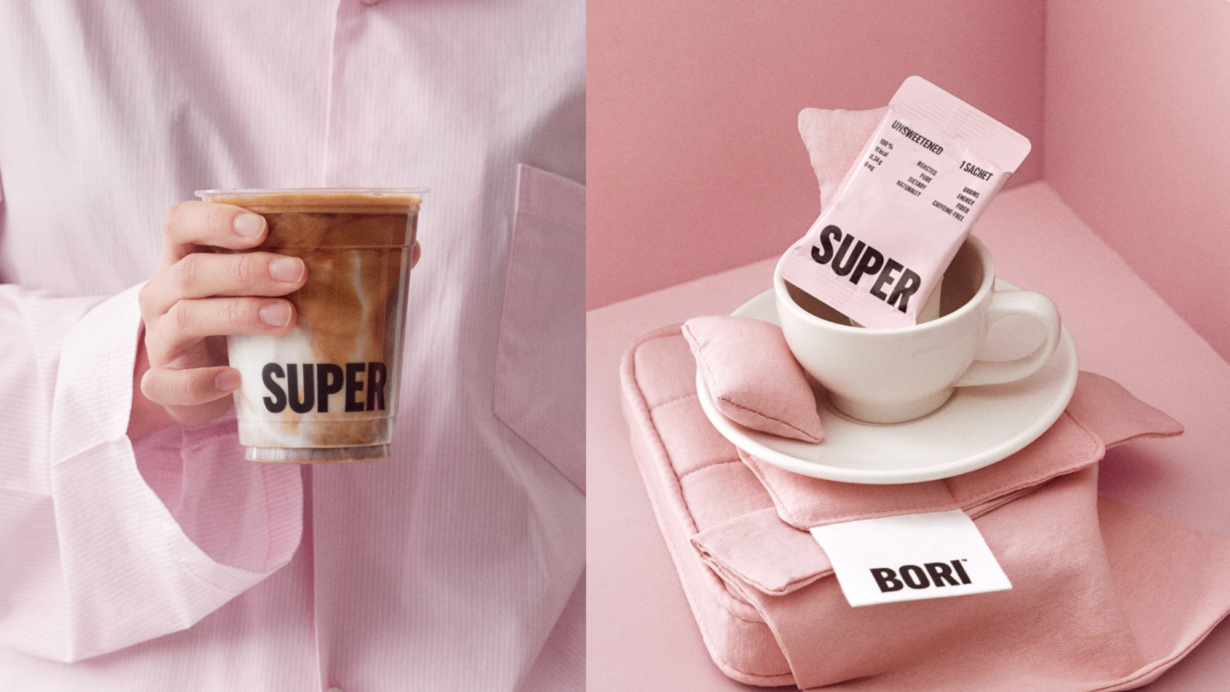
Concept venues like SANS in Seoul’s Ikseondong neighborhood feature specialized barley and chicory brews, while organic tea brand Super Matcha has introduced Super Bori to capture coffee-like flavor profiles through roasted grains.
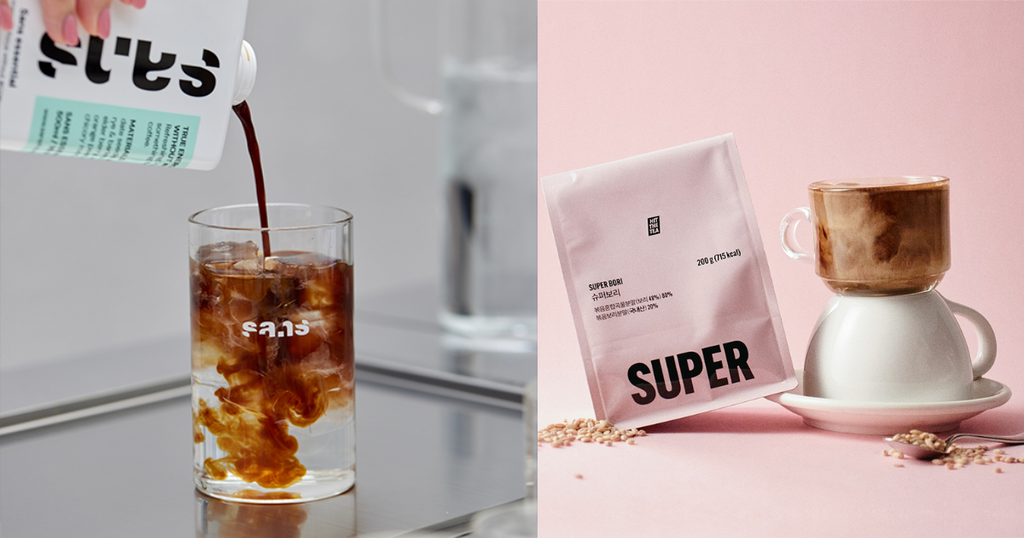
Image: SANS Foundry, SUPER MATCHA
While alternative formulations remain a specialized niche, the underlying intent reflects a widespread consumer evolution. Drinkers want to preserve the social and psychological ritual of the coffee break while actively controlling their caffeine intake.
Commercial adoption data confirms this momentum. Starbucks Korea reported 32.7 million decaf coffee sales in 2024, up from 20.2 million in 2022, with decaf accounting for nearly ten percent of all Americano orders. Driven by heightened awareness surrounding sleep quality and mental wellness, caffeine is shifting from an automatic default into a deliberate functional choice.
Tea Makes A Comeback
Traditional Korean tea is shedding its formal, traditional image to capture Gen Z and millennial consumers. While regions like Hadong boast a thousand-year tea-growing heritage, coffee long reigned as the default medium for modern social life.
Today, tea is mounting a major comeback through contemporary lifestyle branding. Specialty venues are driving interest via teamakase, an adapted tasting format where sommeliers lead small groups through multi-course tea pairings.
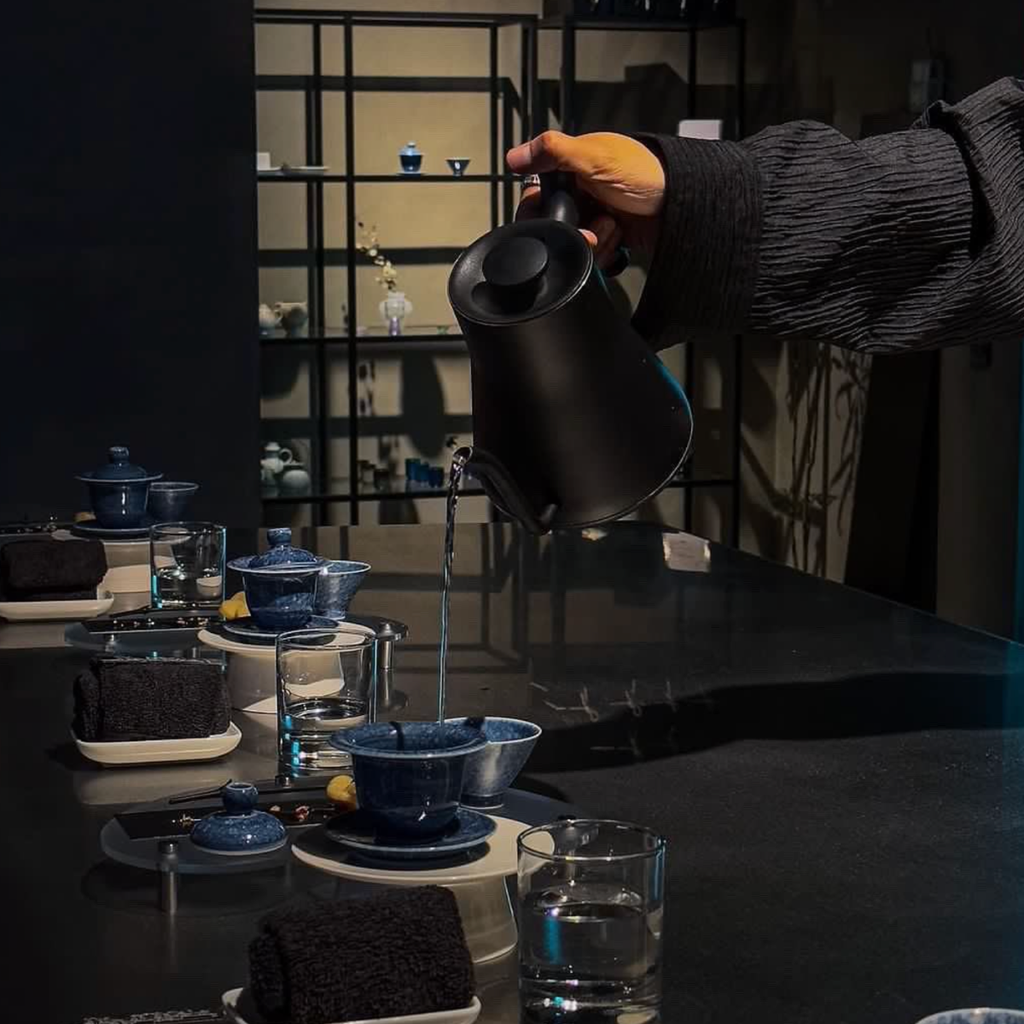
Image: @_omot_
The appeal extends beyond basic caffeine replacement. Young consumers value the slow ritual, visual aesthetics, and wellness storytelling associated with distinct tea origins. Instead of relying on artificial product novelties, brands are scaling by re-educating consumers on how to appreciate an existing staple, turning quiet tea ceremonies into highly shareable, aspirational experiences.
The Rise of Experiential Hospitality
In Korea’s saturated retail market, teahouses are proving that environment and ritual matter just as much as the drink itself.
NUDAKE Teahouse in Seongsu showcases a high-fashion approach, integrating tea service into IICOMBINED’s avant-garde design world. Meanwhile, teahouses like POD RITUAL by ADER ERROR take a minimalist, tactile path, utilizing organic textures, sculpted seating, and deliberate steeping rituals to encourage slower consumption.
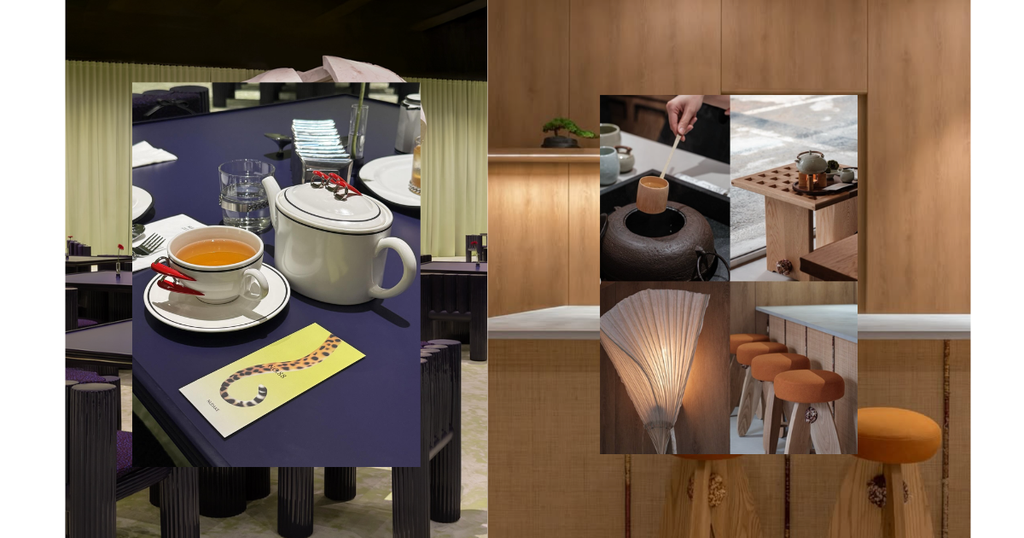
Image: Nudake, @spot_editor
These contrasting spaces target a unified consumer desire. Korean shoppers are actively seeking out venues that turn everyday routines into elevated, shareable experiences.
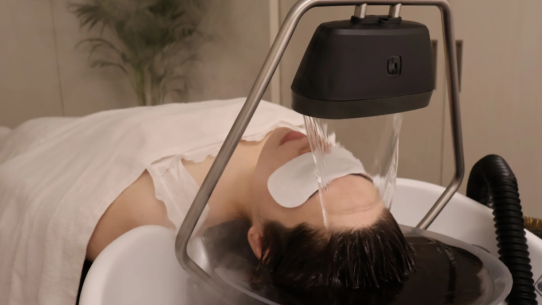
This fits a broader pattern in Korean consumer culture, where ordinary activities are increasingly being turned into more intentional experiences. Head spas, saunas, and cold-plunge spaces have similarly added atmosphere, ritual, and social value to services that could otherwise be purely functional.
Tea is following the same direction. While the drink still matters, so does where it is consumed, how it is prepared, and how the experience makes people feel.
Reframing the Daily Ritual
Korea’s beverage landscape proves that market innovation is less about replacing daily habits and more about diversifying their purpose.
The iced Americano is not disappearing, but consumers are demanding far more variety from their daily breaks. Today’s buyers choose non-coffee alternatives to manage sleep quality, explore heritage botanicals, or enjoy immersive spatial design.
This behavioral shift carries massive implications for international brand strategists. Consumers are moving away from passive consumption toward highly deliberate lifestyle choices. By wrapping functional ingredients and traditional recipes in elevated storytelling, forward-thinking retailers turn basic refreshments into aspirational experiences. The biggest market opportunity emerges when consumer mindsets shift, prompting buyers to re-examine why they choose a product in the first place.
Looking at Your Brand Strategy
Uncovering the hidden signals in Korean consumer culture requires looking past surface-level trends. If you are exploring how Korean market shifts, consumer behavior, and category movements can open new opportunities for your business, Siseon works with global teams to turn these observations into strategic advantage.
To discuss custom research, field intelligence, or strategic advisory for your team, connect with us directly at hello@siseonhq.com or fill out the contact form.
Sources
- Korea Times (July 17, 2025) — Korea’s coffee substitute market expanding, SANS profile, alternative coffee demand: https://www.koreatimes.co.kr/business/companies/20250717/koreas-coffee-substitute-market-rises-amid-climate-threats-to-coffee-beans
- Green Queen / Wake (January 2026) — SANS beanless espresso, fermentation process, Wake and Sleep Boosters, Shinsegae distribution: https://www.greenqueen.com.hk/wake-sans-beanless-coffee-south-korea-fermentation-molecular-hacking/
- SANS global website — 12 super ingredients, zero caffeine by nature, environmental claims: https://sansfoundry.com/
- Super Matcha official website — Super Matcha founded 2017, Super Bori (barley, rye, chicory caffeine-free grain beverage): https://supermatcha.com/
- Korea Times (November 2024) — Teamakase trend among younger Koreans, 60-90 minute curated tea tasting: https://www.koreatimes.co.kr/lifestyle/trends/20241115/tea-tasting-teamakase-dates-emerge-as-new-trend-among-young-koreans
- NUDAKE official site — Teahouse concept at intersection of tea, fashion, art, scent, dessert: https://nudake.com/en/store/tea-house/