



When Expectations Cross Category Lines
Consider a Korean pet grooming lineup featuring a skin-barrier-restoring shampoo, a coat-hydrating daily mist, and a finishing fragrance with notes of coconut, fig, and lemon balm.
The products target dogs, but their visual presentation, sensory framing, and formulation claims feel immediately familiar to anyone tracking K-beauty.
That resemblance marks a broader structural shift. Korean consumers have spent over a decade refining high expectations around skin health, preventative wellness, minimalist interior aesthetics, and personal lifestyle curation. As pets transitioned into core family members, those exact consumer standards migrated with them.
In today’s market, pet care requires more than simply meeting an animal’s needs. Products also have to appeal to the person choosing them, from how they feel and function to how they fit into everyday life.
Beyond the Luxury Niche
Korea’s pet ecosystem has expanded alongside a fundamental cultural reorientation. A 2025 KB Financial Group report revealed that 87.2 percent of companion-animal households view their pets as family members.
That psychological shift carries direct commercial consequences. Elevating a pet to family status transforms basic food, grooming, and hardware into broader household lifestyle decisions.
At the ultra-high end, local media coined pet-xury (펫셔리) to describe bespoke nutrition, specialized healthcare, design-led accessories, and boutique hospitality. But the more consequential market evolution is occurring across mid-to-premium mass channels.
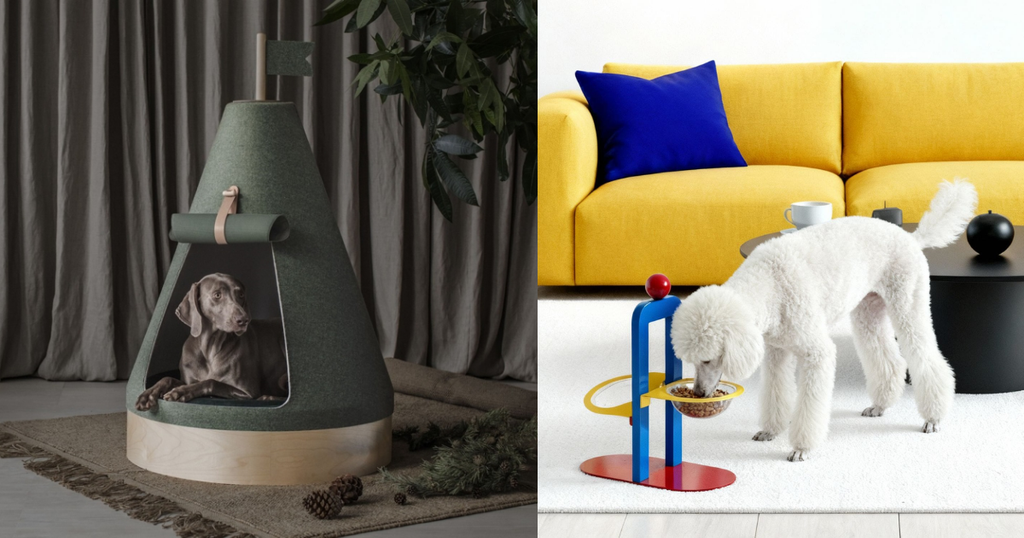
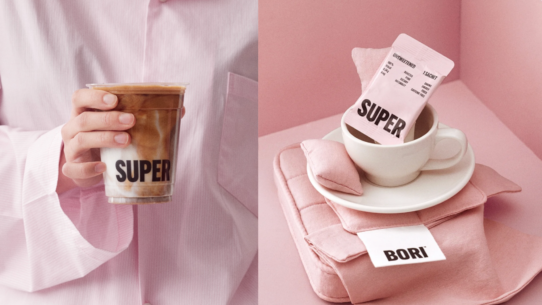
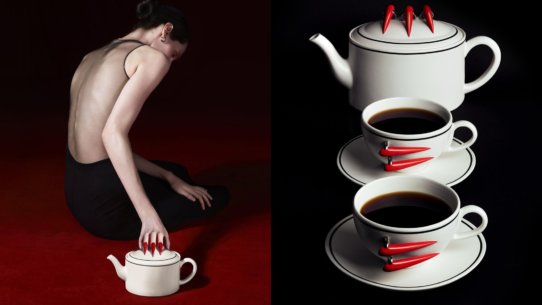
Image: Berg & Ridge, MARBLEHOLIC
As pet ownership scales, baseline quality and safety no longer offer meaningful differentiation. Winning market share now requires elevated packaging, sophisticated formulation narratives, spatial harmony, and a distinct brand position.
The question facing pet care brands is no longer simply whether a formula works, but whether it matches the standards consumers demand across the rest of their personal basket.
The Beauty Playbook Applied to Pets
Korean beauty did more than build global cosmetic brands. It trained consumers how to evaluate ingredients, decode formulations, and demand transparency.
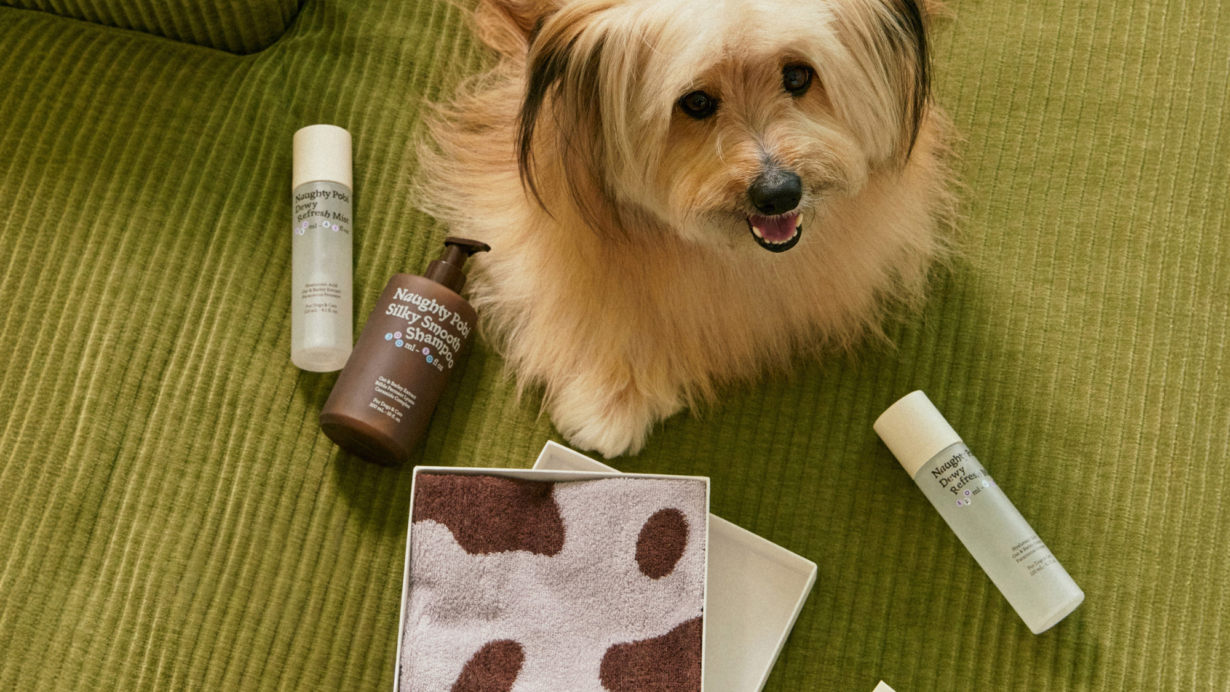
Consumers accustomed to analyzing skin-barrier integrity, microbiome health, and gentle cleansing surfactants do not discard that knowledge when shopping for a pet. Emerging labels like Naughty Pobi speak directly to this educated buyer, presenting dog shampoo through barrier support, moisture balance, and precise pH levels.
This migration extends directly into digital marketing infrastructure. Detailed ingredient breakdowns, clinical certification badges, high-key editorial photography, and structured landing pages are now standard features for modern Korean pet labels.
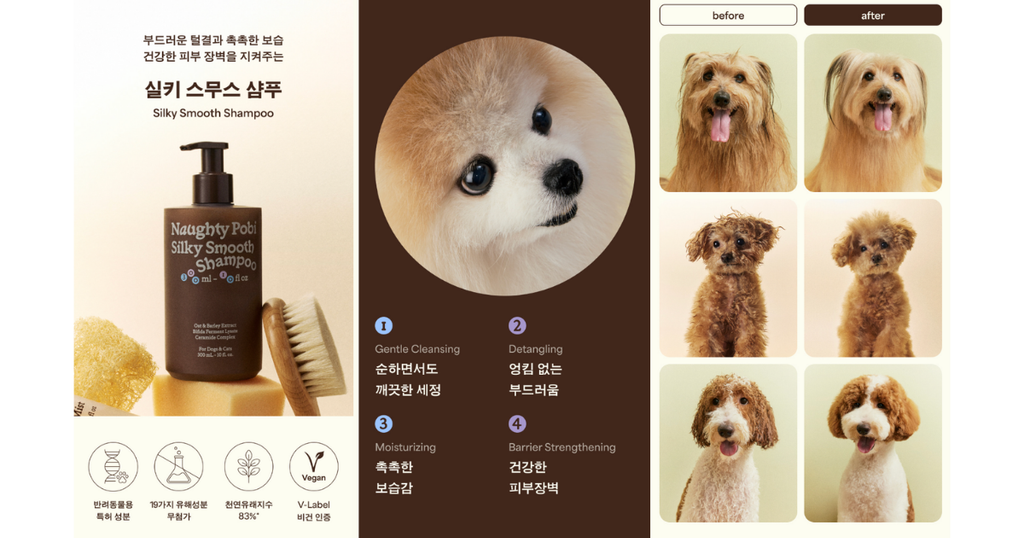
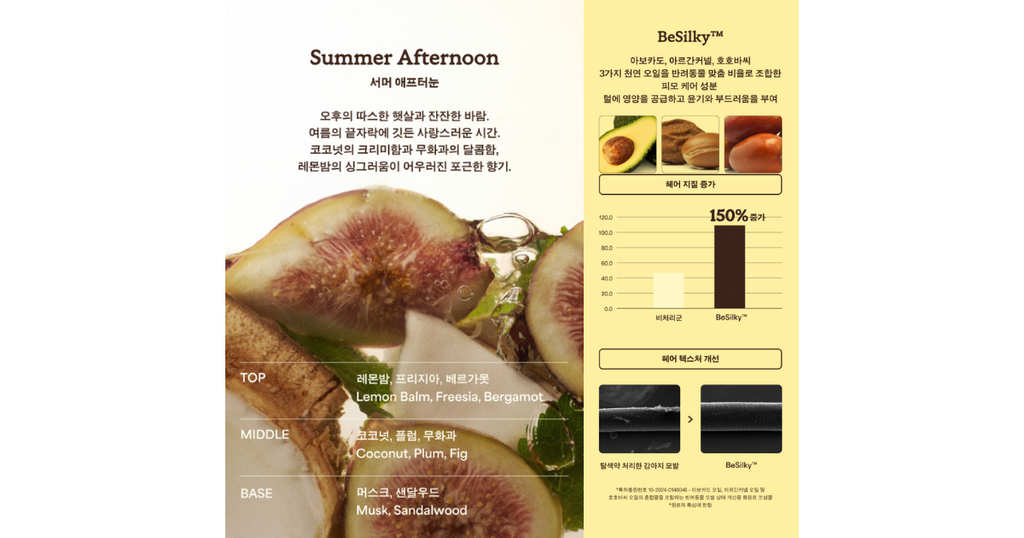
Image: Naughty Pobi
The category is borrowing far more than beauty’s vocabulary. It is leveraging a sophisticated consumer framework that K-beauty spent years building.
Earning Space in the Living Room
The migration of consumer standards reaches beyond cosmetic formulas into the physical objects occupying the home.
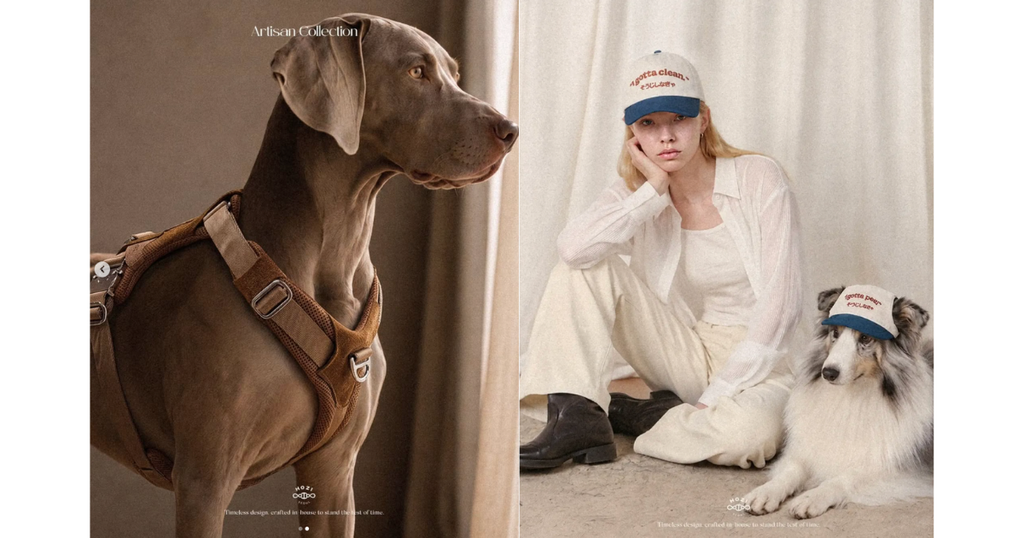
Image: HOZI
Brands like HOZI treat harnesses, leashes, and travel gear as design-led accessories, even launching matching lifestyle pieces for owners using the same visual language. Furniture maker iloom approaches the market from an architectural angle, designing cat towers and climbing modules that double as contemporary home furniture.
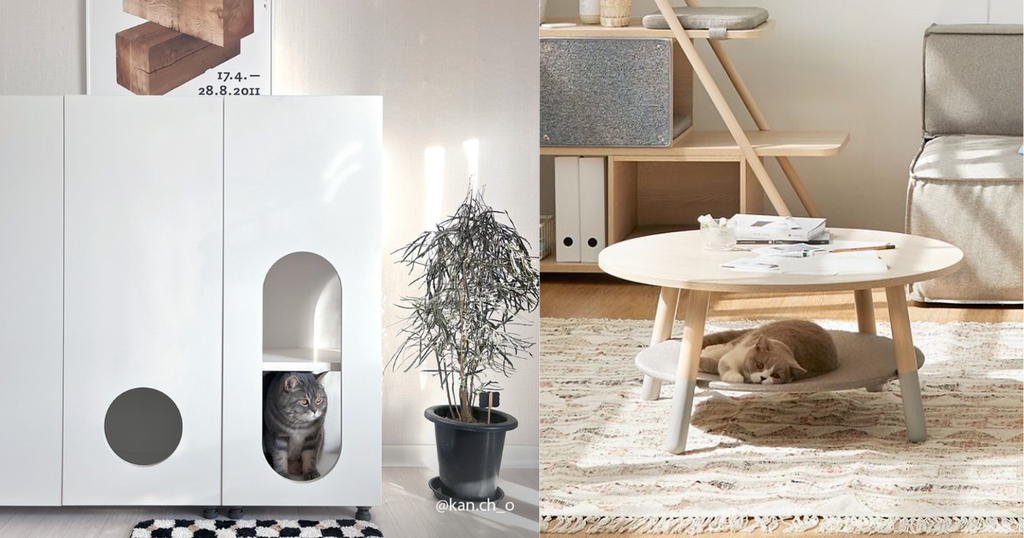
Image: iloom
The commercial thesis is straightforward. A pet bowl sits on the kitchen floor all day, a leash hangs by the entryway, and a cat tree occupies prime living room real estate. These objects must coexist with the owner’s broader interior aesthetic.
As pet products become part of the home, function is only part of the equation. A cat tower or food bowl also has to work with the space around it.
The Next Expansion May Come From Outside Pet Care
The Korean pet market raises a more useful question than whether pet products will keep getting more design-forward. If consumers are already applying beauty, wellness, and lifestyle standards to pet care, companies that understand those expectations from other categories may have an opening.
Beauty and personal-care companies are an obvious example. Pet grooming already shares familiar territory with skincare and haircare, from barrier protection and gentle cleansing to conditioning and fragrance. A beauty company could potentially take that expertise into pet care rather than treating the category as completely separate.
Home and lifestyle brands have a similar opportunity as pet products become part of the living environment. Furniture, storage, textiles, and interior brands can approach pet ownership as a design problem, creating products that work for the animal without disrupting the space around it.
The retail landscape could change with it. As pet products become more design-led and lifestyle-oriented, they have a natural place beyond traditional pet stores and veterinary channels. Lifestyle retailers, beauty stores, and home goods platforms could eventually become new points of discovery.
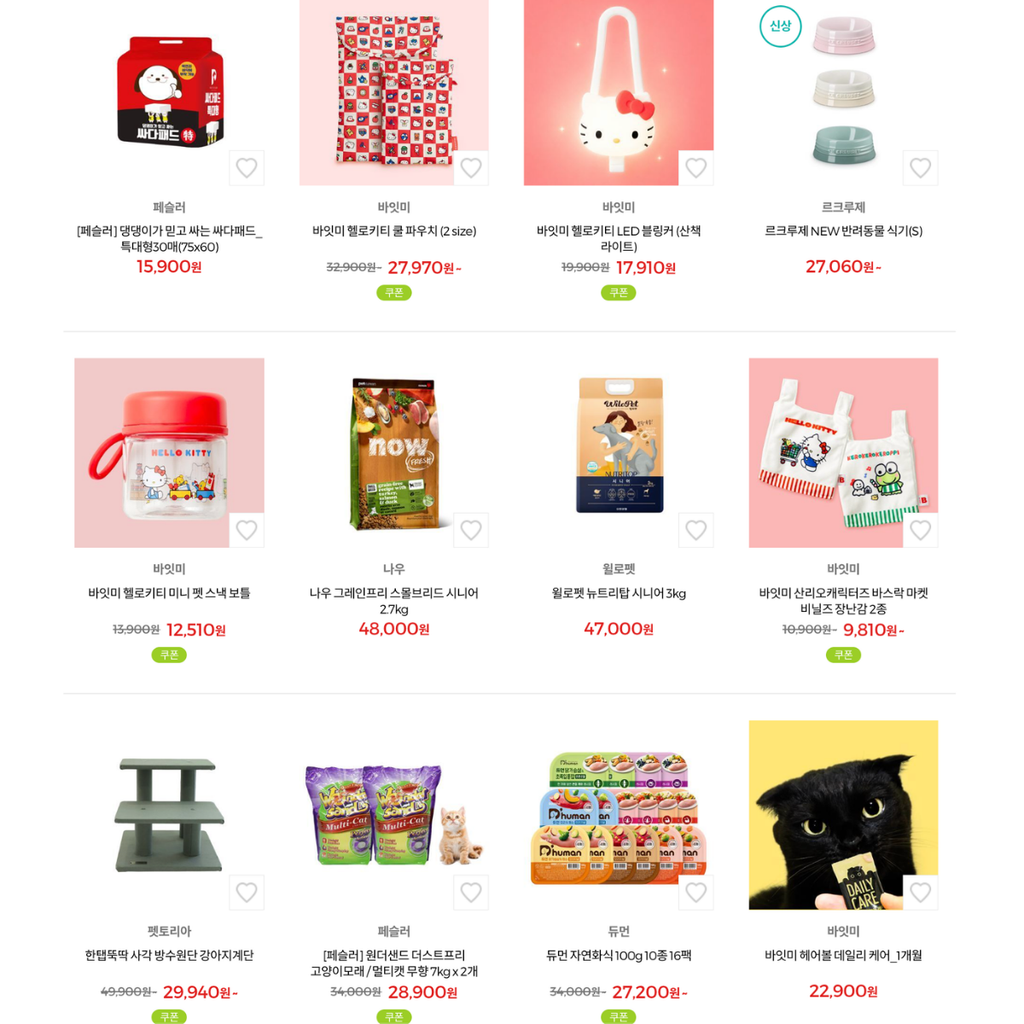
Image: Olive Young
For global brands, the bigger signal is the consumer behavior underneath all of this. People do not necessarily develop new expectations for every category they enter. They carry the ones they already have.
That creates an opportunity to look beyond the boundaries of an existing market. If consumers in a category already expect better design, personalization, sensory experience, or functional transparency, another category may eventually be judged by the same standards.
The companies that recognize those connections early may have more room to shape the category than those waiting for the category to define itself.
The Wider Global Signal
The broader lesson from Korea reaches well beyond the pet aisle. Consumer expectations do not stay neatly within the categories that created them. Once people become accustomed to better design, functional transparency, personalization, and sensory experiences in one part of their lives, they begin to expect those qualities elsewhere too.
That is what makes the Korean pet market worth watching. Pet care is being shaped by standards that were developed through beauty, wellness, fashion, and home, turning products that once existed primarily to meet an animal’s needs into products that also have to fit the life around them.
For global brands, that creates a useful question. Which expectations have consumers already developed in your market, and where else might they eventually apply them?
The next category to change may already have the consumer expectations needed to change it.
Looking at Your Brand Strategy
Uncovering the hidden signals in Korean consumer culture requires looking past surface-level trends. If you are exploring how Korean market shifts, consumer behavior, and category movements can open new opportunities for your business, Siseon works with global teams to turn these observations into strategic advantage.
To discuss custom research, field intelligence, or strategic advisory for your team, connect with us directly at hello@siseonhq.com or fill out the contact form.
Sources
- Korea 2025 government pet ownership survey — 29.2% of Korean households raising pets: as cited in multiple Korean business publications including Korea JoongAng Daily and Chosun Biz KB Financial Group 2025 반려동물 보고서 — 87.2% of companion-animal households consider pets family members; 5.91 million pet-owning households; 15.46 million pet owners: https://www.kbfg.com
- Naughty Pobi official website — Dewy Refresh Mist product description, Silky Smooth Shampoo positioning, Summer Afternoon fragrance (coconut, fig, lemon balm): https://naughtypobi.com/
- HOZI official website and HOZI US — Essential collection, Saddle collection, “For people” product category, brand statement “we create functional, durable products for both humans and dogs”: https://hozi.co.kr and https://hozi.us/