



Reclaiming the Cold Pool
Long before cold plunges became a global wellness trend, Korean bathhouses already made them an everyday routine. The cold pool sat directly beside the hot bath, used in alternating sequence by grandmothers and teenagers alike every weekend.
The traditional bathhouse remains one of Korea’s most genuinely democratic institutions. For a small entry fee, anyone could sweat in a heated room, scrub down, and rest on a warm floor surrounded by their local community. It was functional wellness long before the term existed.
What is happening now is not the discovery of a new habit, but a total repositioning of an old one. The modern spaces reinventing this ritual signal a broader shift in how Korean consumers value their time, their bodies, and their personal space.
What’s Changing
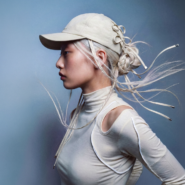
A major cultural tipping point arrived late last year when Blackpink’s Jennie detailed her cold plunge practice for Vogue. Significantly, she did not pitch it as an imported trend. She rooted her routine in domestic bathhouse culture, explaining how years of post-rehearsal sauna visits naturally led her to contrast water therapy.
Her comments captured a key transition. The cold pool and hot bath have always been foundational to Korean life. The global wellness boom simply provided a fresh marketing vocabulary and elevated social status for an existing habit.
Today, that rebrand is transforming Seoul’s commercial landscape. Independent founders are opening architecturally ambitious studios designed specifically around private contrast therapy and recovery. These standalone venues are proving that urban consumers will pay a premium for a modern interpretation of a classic ritual.
The New Infrastructure of Self-Care
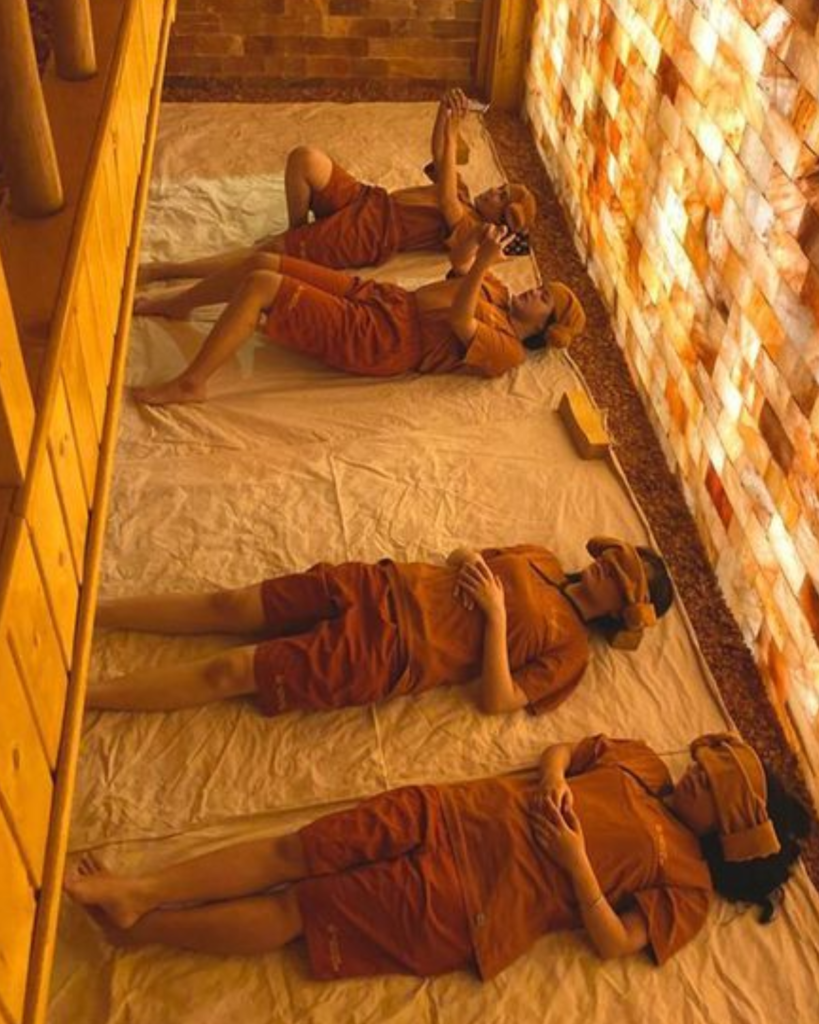
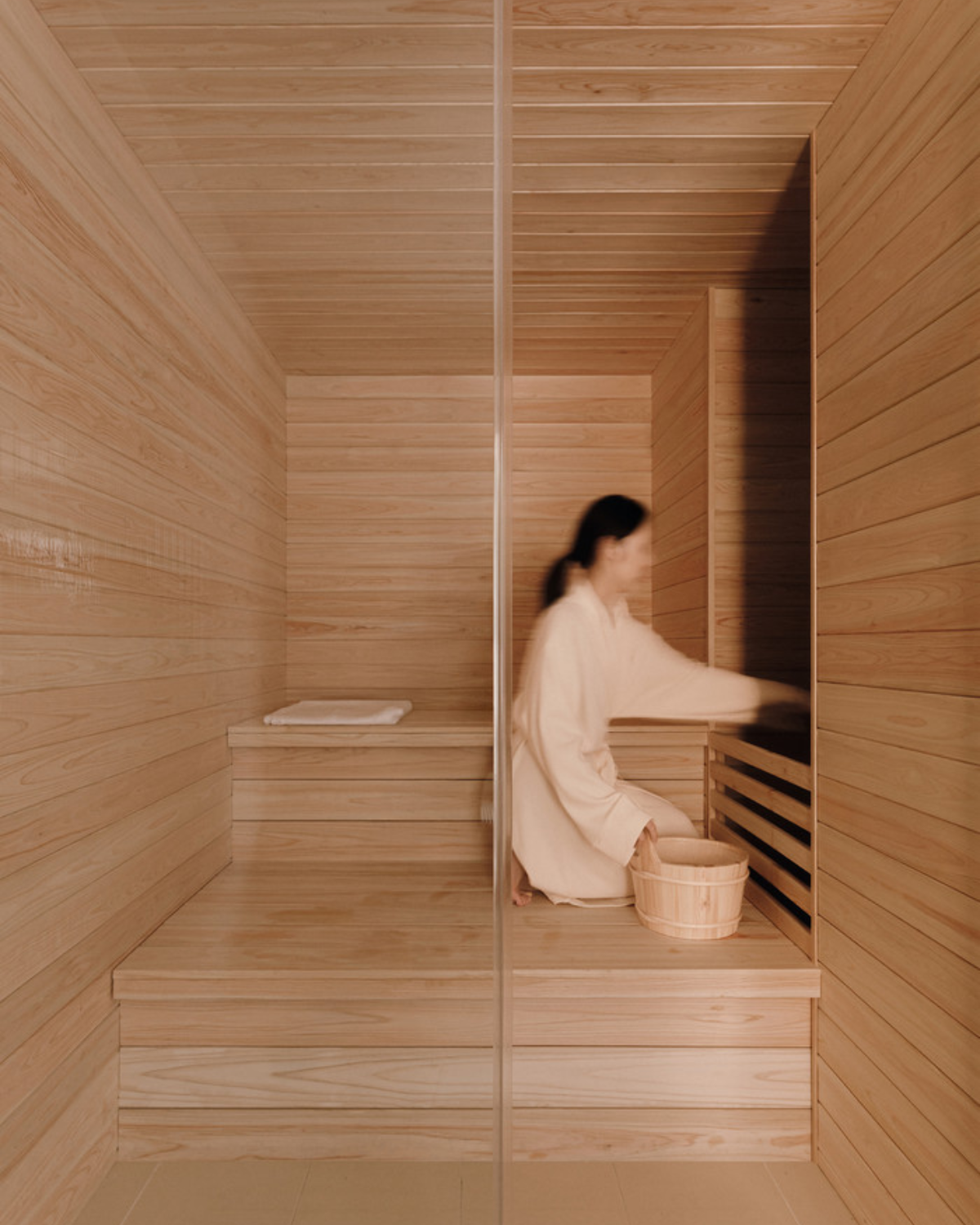
In early 2026, Sisu House opened in Sinsa-dong as a dedicated recovery sanctuary. Founder Lee Gyeong-min converted a four-story residential building into private rooms where guests rotate between heat, 14°C cold showers, and quiet cooldowns. Demand was immediate. The space filled its calendar through organic word of mouth, quickly attracting commercial tie-ins with corporate giants like Amorepacific.
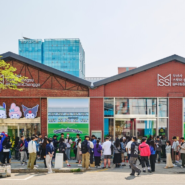
Over in Mapo, Runport target-built an environment for serious runners. Its signature flow integrates a 5km run directly with sauna contrast therapy and ice baths. Rather than reserving cold immersion for elite athletic facilities, Runport turned post-run recovery into a social, everyday habit.
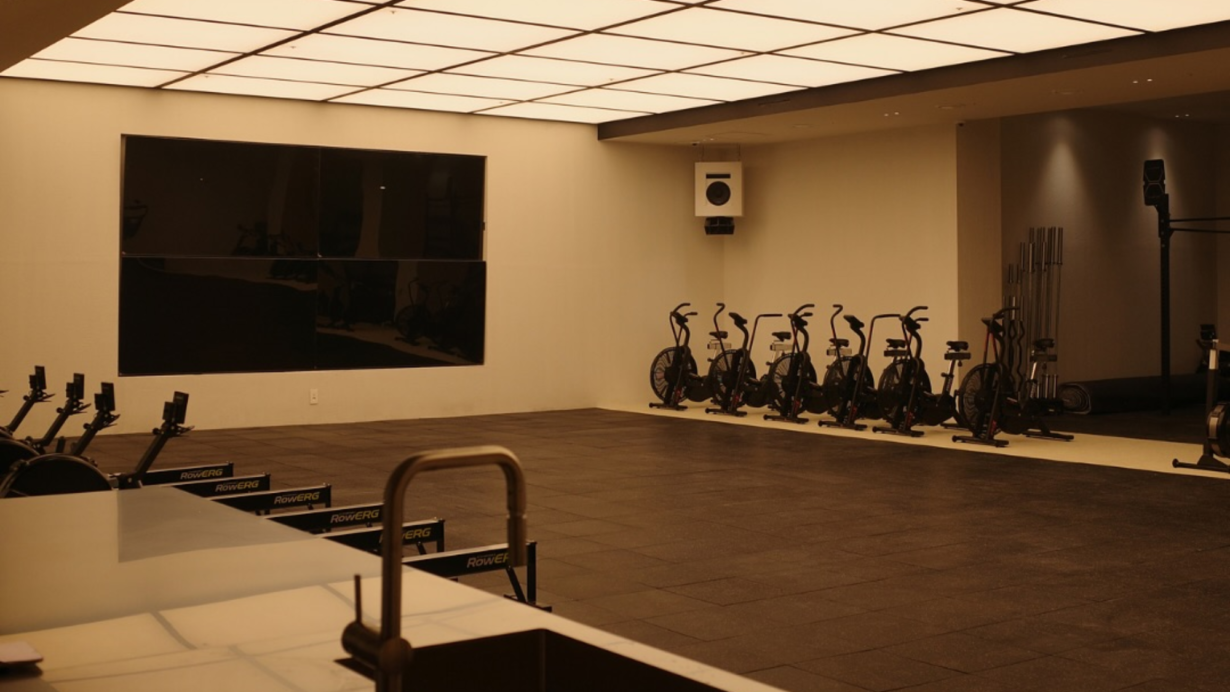
Positive Hotel expands this logic into a complete wellness hub. Across its Cheongdam, Dosan, and Seolleung locations, it offers a four-tier lifestyle experience encompassing movement, nutrition, and recovery. The brand’s cultural weight is reflected in its corporate clients, hosting events for Byredo and Garmin while partnering with Kiaf Seoul 2024.
Together, these three spaces prove that urban recovery is no longer viewed as an occasional luxury, but as an essential, designed protocol worth building a routine around.
The Evolution of Modern Wellness Identity
Jennie’s feature with Vogue did not spark Korean interest in contrast therapy out of thin air. Instead, it gave global vocabulary and celebrity endorsement to an existing habit, turning an unspoken cultural memory into an active topic of conversation.
Global athletic and lifestyle brands are moving quickly to capture this momentum. Major players are embedding studio activations, influencer recovery sessions, and running club integrations directly into product launch cycles. The goal is not just hosting a workout, but signaling cultural alignment with the modern Korean consumer.
Recovery protocols like contrast therapy, breathwork, and sound bathing have become primary markers of personal identity and self-discipline for active Korean consumers. The physical environment matters immensely because the design reflects the seriousness of the practice.
Ultimately, these private wellness studios offer something traditional bathhouses lost over time. They give a generation raised in public saunas a way to reclaim a familiar recovery ritual without the communal self-consciousness.
The Global Playbook for Korean Recovery Culture
For international brand strategists and consumer founders, Seoul’s emerging recovery landscape offers a practical blueprint for building brand equity.
These physical venues operate as high-trust, low-friction discovery channels. Inside a private sauna suite or post-run recovery lounge, consumers engage in quiet focus. Product interactions register with far greater depth here than in traditional retail. Amorepacific and Musinsa recognized this early by integrating products into Sisu House, while Byredo selected Positive Hotel’s Cheongdam space for a major media launch.
Community mechanics are scaling alongside the physical footprint. Grassroots networks like Monday Sauna actively route engaged enthusiasts to new venues. Runport converts athletic performance into purchasing power through mileage rewards, while Positive Hotel builds recurring membership around daily wellness routines.
For global leaders, the takeaway extends beyond cold plunges. The core opportunity lies in adapting how Korean operators transform legacy cultural habits into scalable, high-margin consumer ecosystems.
Scaling the Blueprint Beyond Seoul
Korean wellness is consolidating into a repeatable model: contrast therapy, intentional movement, structured recovery, and high-density community building. What is taking shape in Seoul is a physical infrastructure built to turn self-care into a daily habit.
The next growth frontier is regional and international expansion. Within Korea, regions like Gangwon are seeing surging demand for nature-based wellness tourism. Bringing urban recovery protocols like Sisu House out of dense neighborhoods like Sinsa-dong and into coastal or mountain retreats unlocks a clear growth trajectory. A forest-embedded contrast therapy sequence creates an entirely new tier of experiential travel.
Early movers like Monday Sauna, Runport, Positive Hotel, and Sisu House are establishing the foundation. For global strategists, the competitive advantage lies in recognizing that this wave is just beginning, and that the blueprint built in Seoul is ready to scale worldwide.
Looking at Your Brand Strategy
Uncovering the hidden signals in Korean consumer culture requires looking past surface-level trends. If you are exploring how Korean market shifts, consumer behavior, and category movements can open new opportunities for your business, Siseon works with global teams to turn these observations into strategic advantage.
To discuss custom research, field intelligence, or strategic advisory for your team, connect with us directly at hello@siseonhq.com or fill out the contact form.
Sources
- Allkpop — “Cold-plunge (or ‘naeng-tang’) with BLACKPINK’s Jennie on Vogue” (November 2024): https://www.allkpop.com/article/2024/11/cold-plunge-or-naeng-tang-with-blackpinks-jennie-on-vogue
- Vogue YouTube — “Cold Plunging With JENNIE” (November 2024): https://www.youtube.com/watch?v=HZs1a6n0q7c
- Vogue Korea — “지금 가장 세련된 웰니스, 사우나” (Sisu House feature, March 2026): https://www.vogue.co.kr/2026/03/25/지금-가장-세련된-웰니스-사우나/
- Vogue Korea — “시수하우스 이경민 대표 인터뷰” (founder profile, May 2026): https://www.vogue.co.kr/2026/05/28/문성식에서-에디-마르티네즈까지-웰니스-수집가-이
- Design+ Magazine — “도심 주택을 새롭게 해석한 프라이빗 웰니스 공간, 시수하우스” (Sisu House architecture and design): https://design.co.kr/article/159708/
- Sisu House official — brand and ritual description: http://sisu.house/
- Portable Magazine — “‘런포트’ 러닝 허브의 등장” (Runport profile, April 2026): https://portablemagazine.com/runport/
- Runport official: https://www.runport.kr/
- Harper’s Bazaar Korea — “요즘은 웰니스 누리러 여기 간다며? 서울의 핫한 웰니스 공간 4” (Runport, wellness spaces roundup, May 2026): https://www.harpersbazaar.co.kr/article/1903137
- Positive Hotel official: https://positivehotel.com/positivehotel.html
- Positive Hotel Clubhouse: https://clubhouse-positivehotel.com/
- Mashup Ventures — Positive Hotel portfolio entry (business structure and investment details): https://www.mashupventures.co/portfolio/positive-hotel
- Allure Korea — “현시점 스포츠 브랜드가 지향하는 웰니스 스팟” (ON Running Hannam Run Hub, sports brands and wellness spaces, May 2026): https://www.allurekorea.com/2026/05/12/현시점-스포츠-브랜드가-지향하는-웰니스-스팟1
[…] this. Look at the surge in urban running crews and aesthetic private saunas taking over Korea. Running and saunas are far from new, but brands transformed them to match how Gen Z views self-care today. Instead of […]