



The Next Stage of K-Beauty
Internationally, Korean beauty has become synonymous with ten-step skincare routines, sheet masks, glass skin, snail mucin, ampoules, and more recently, PDRN. For years, these innovations shaped how global consumers understood Korean beauty, turning Korea into one of the world’s most influential skincare markets.
But the conversation inside Korea has moved.
Today, much of the innovation happening inside Korea isn’t focused on the face at all. Consumers are paying increasing attention to areas beyond the face, from body care and scalp treatments to specialized hair products, while brands are responding with products that apply the same level of formulation sophistication and consumer-focused design previously reserved for facial skincare.
The shift isn’t simply about launching more products. It reflects a broader change in how Korean consumers think about self-care. After years of refining facial skincare routines, many are beginning to apply the same level of attention to areas that historically received little specialized care. At the same time, brands facing an increasingly saturated facial skincare market are looking for new places to innovate.
Understanding why both consumers and brands are moving in this direction offers a useful glimpse into where Korean beauty is likely heading next.
Why Brands Are Looking Beyond Facial Skincare
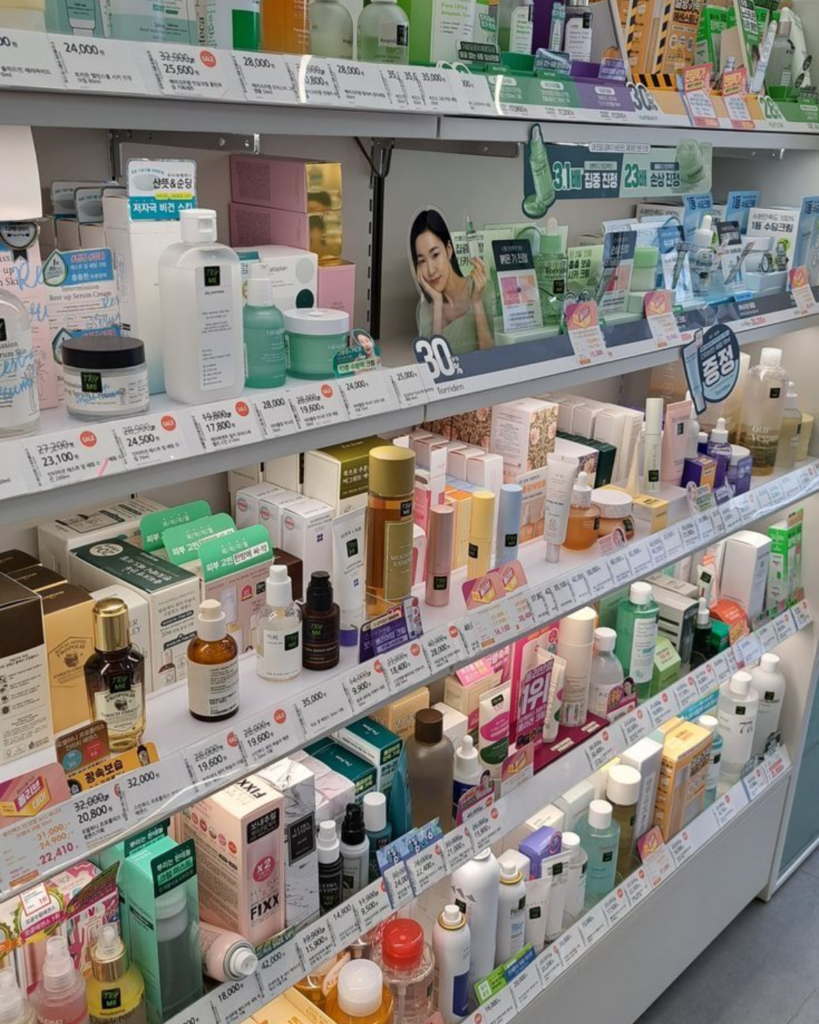
Korean facial skincare is one of the world’s most mature beauty categories. Consumers already follow established routines, understand ingredients, and have access to thousands of products across every price point. New brands continue launching every year, but meaningful differentiation has become increasingly difficult.
Competition no longer comes from simply releasing another moisturizer or serum. It comes from developing genuinely new technologies, proprietary ingredients, novel delivery systems, or clinically validated formulations. That level of innovation requires significant investment in research, manufacturing, and testing, creating a barrier that many brands cannot realistically overcome.
Others compete through sensory innovation instead. Whipped cleansers, capsule creams, gel mists, and increasingly sophisticated skincare devices all reflect an industry searching for new ways to stand out within an already crowded market.
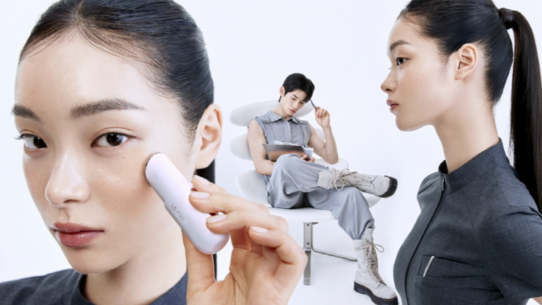
The growing popularity of at-home beauty devices reflects this same pressure. As topical skincare becomes increasingly difficult to differentiate, brands are exploring technology-driven solutions that create new usage occasions and justify premium positioning.
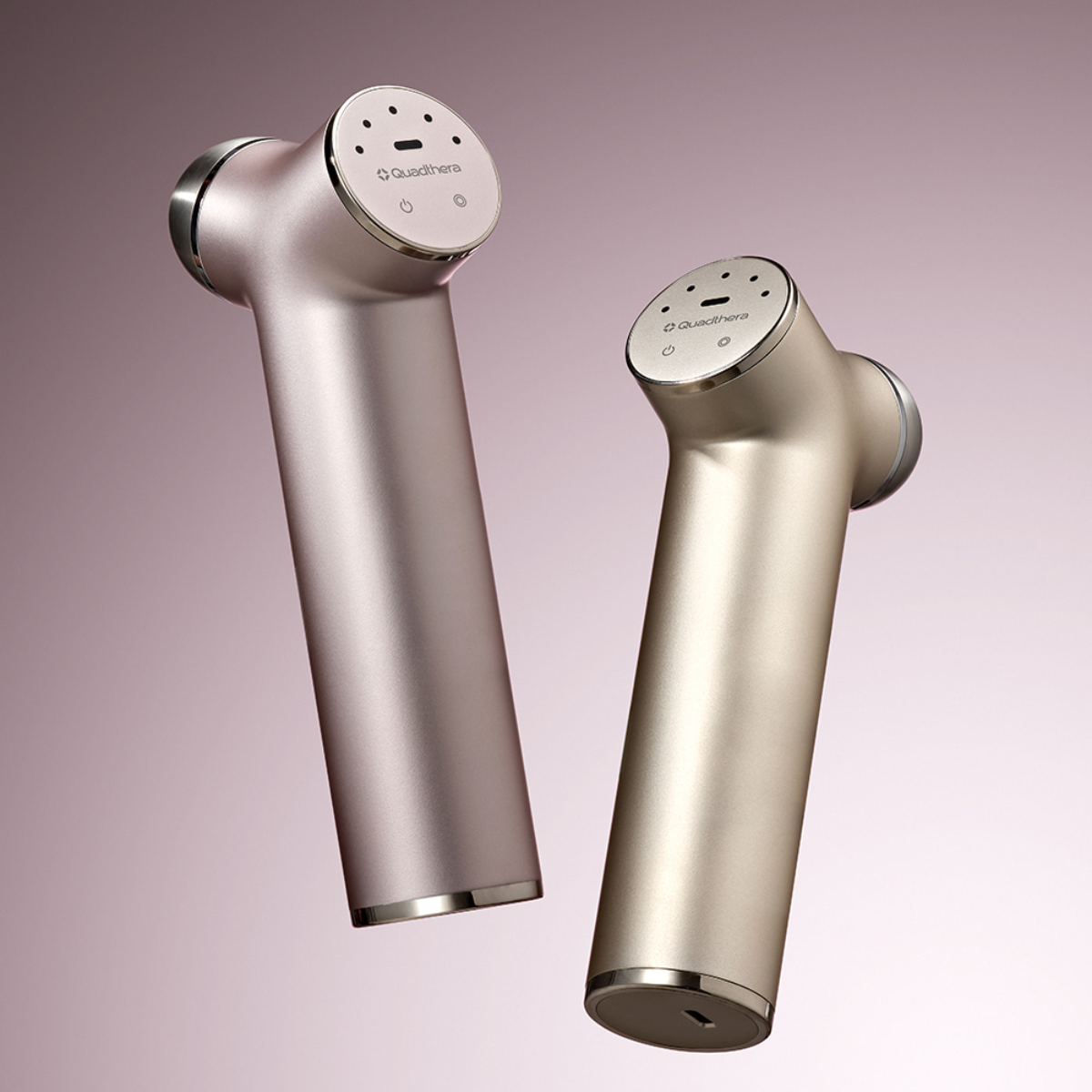
Image: Quadthera
As facial skincare became more competitive, many brands began looking elsewhere for growth. Rather than fighting for increasingly small differences within an established category, they turned toward body, scalp, and hair care—areas where consumer expectations were rising but product development remained comparatively underexplored. These categories offered something facial skincare increasingly could not: room to create entirely new routines, formats, and consumer expectations.
Consumers Already Understood the Routine
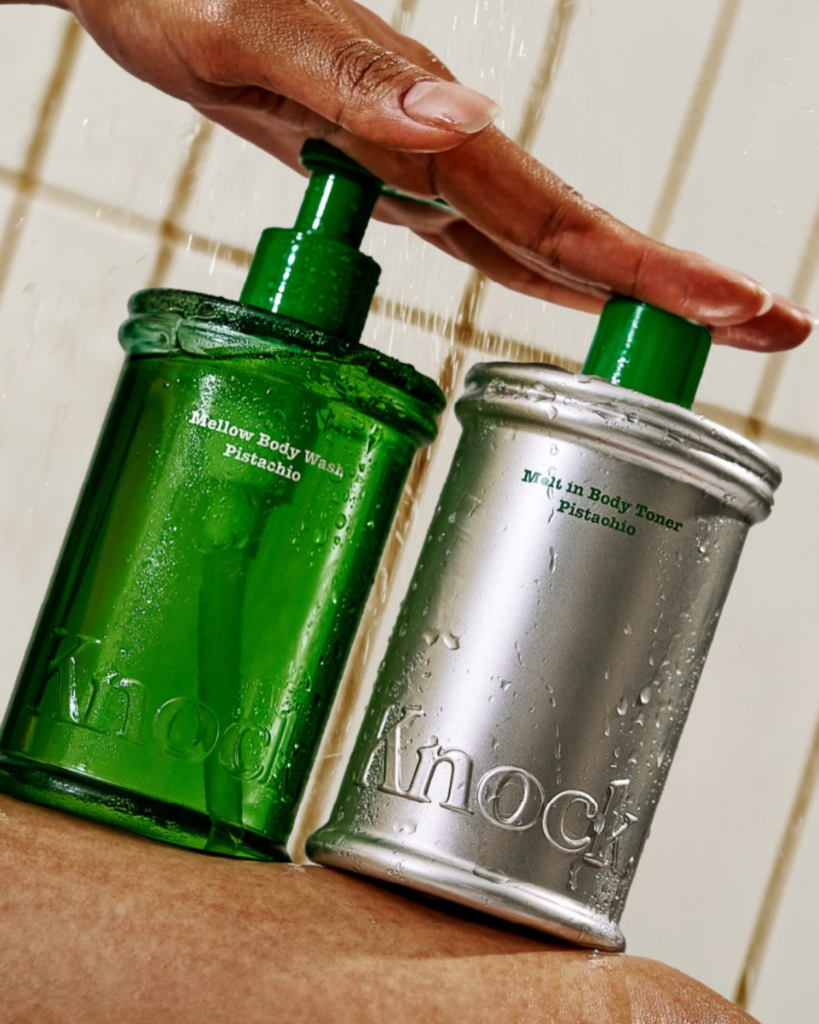
Image: Knock
Brands may have shifted categories, but consumers were already prepared for them.
Years of sophisticated facial skincare routines taught Korean consumers how to evaluate ingredients, build multi-step routines, and choose products based on specific concerns rather than broad claims. By the time brands introduced scalp serums, specialized hair treatments, or treatment-focused body moisturizers, much of the educational work had already been done.
Consumers didn’t see these products as entirely new categories. They saw familiar skincare logic applied to different parts of the body. If a toner prepared facial skin for the next step, a body toner naturally fit into a post-shower routine. If facial serums delivered concentrated active ingredients, body serums became an intuitive extension rather than a confusing new format.
That familiarity dramatically reduced the barriers to adoption. Instead of convincing consumers why they needed multiple products, brands only needed to demonstrate why a particular area of the body deserved the same level of attention the face had received for years.
This is why body, scalp, and hair care are evolving more quickly than many international observers expect. The routines aren’t being invented from scratch. They’re being translated into adjacent categories through better formulations, improved cosmetic elegance, and products designed around concerns consumers already recognize.
Innovation Is Following Consumer Behavior
Once consumers began expecting the same sophistication beyond the face, brands started applying the innovation strategies that had transformed Korean facial skincare.
Rather than simply adding more products to existing categories, companies focused on improving the experience of everyday care through refined textures, stronger functionality, and more specialized formats. Body sunscreens became lighter, absorbed more quickly, and left little to no white cast, making daily application practical alongside clothing that exposed more of the shoulders and arms. Illiyoon’s Fresh Moisture Body Sunscreen reflects this shift, addressing a longstanding consumer complaint around body SPF by prioritizing lightweight application, absorption, and everyday wearability rather than limiting sunscreen use to vacations or outdoor activities. As running, hiking, and golf became more common, waterproof body sunscreens in sprayable forms also emerged to meet new lifestyle demands.
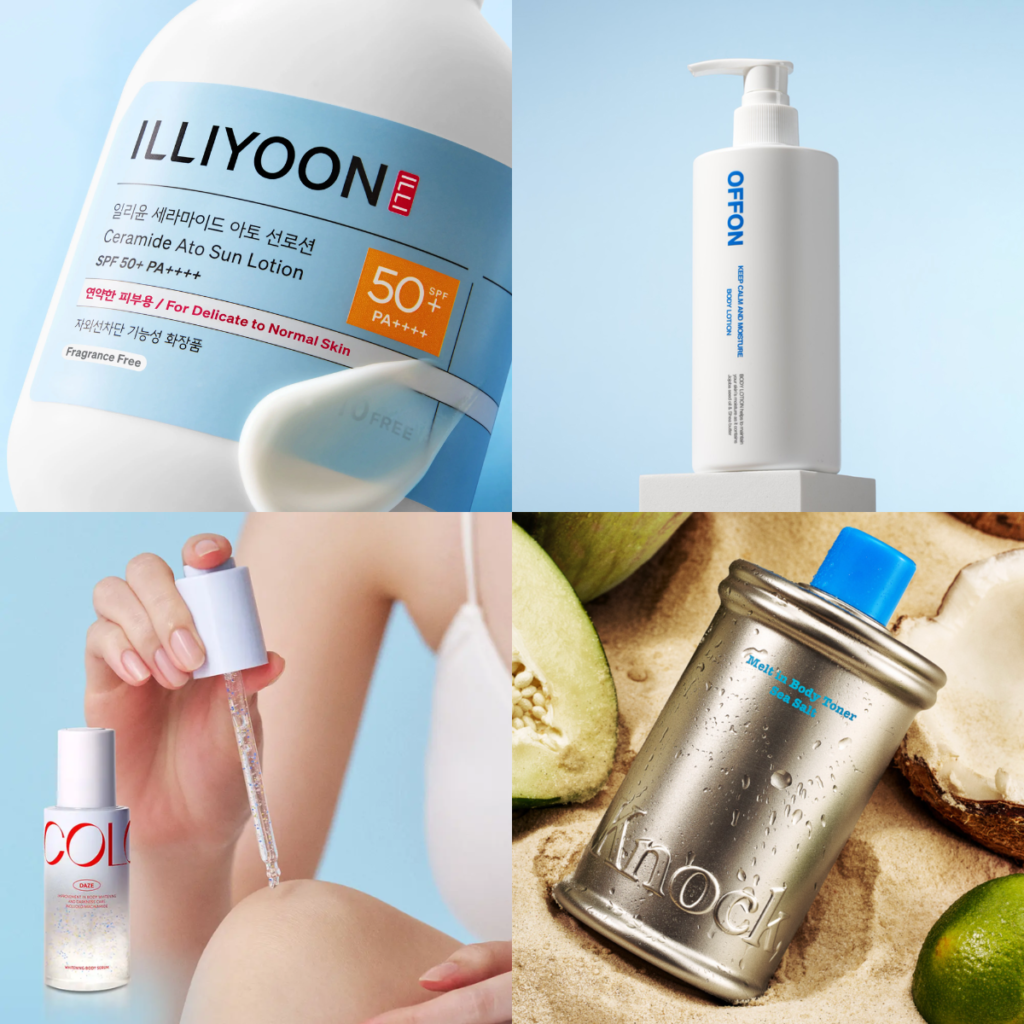
Image: Illiyoon, Offon, Bycolor, Knock
The same pattern is visible across scalp and hair care. Products have become increasingly targeted, moving beyond basic shampoo and conditioner into scalp toners, cooling treatments, scalp sunscreens, hair-loss treatments, and styling products that solve highly specific frustrations throughout the day.
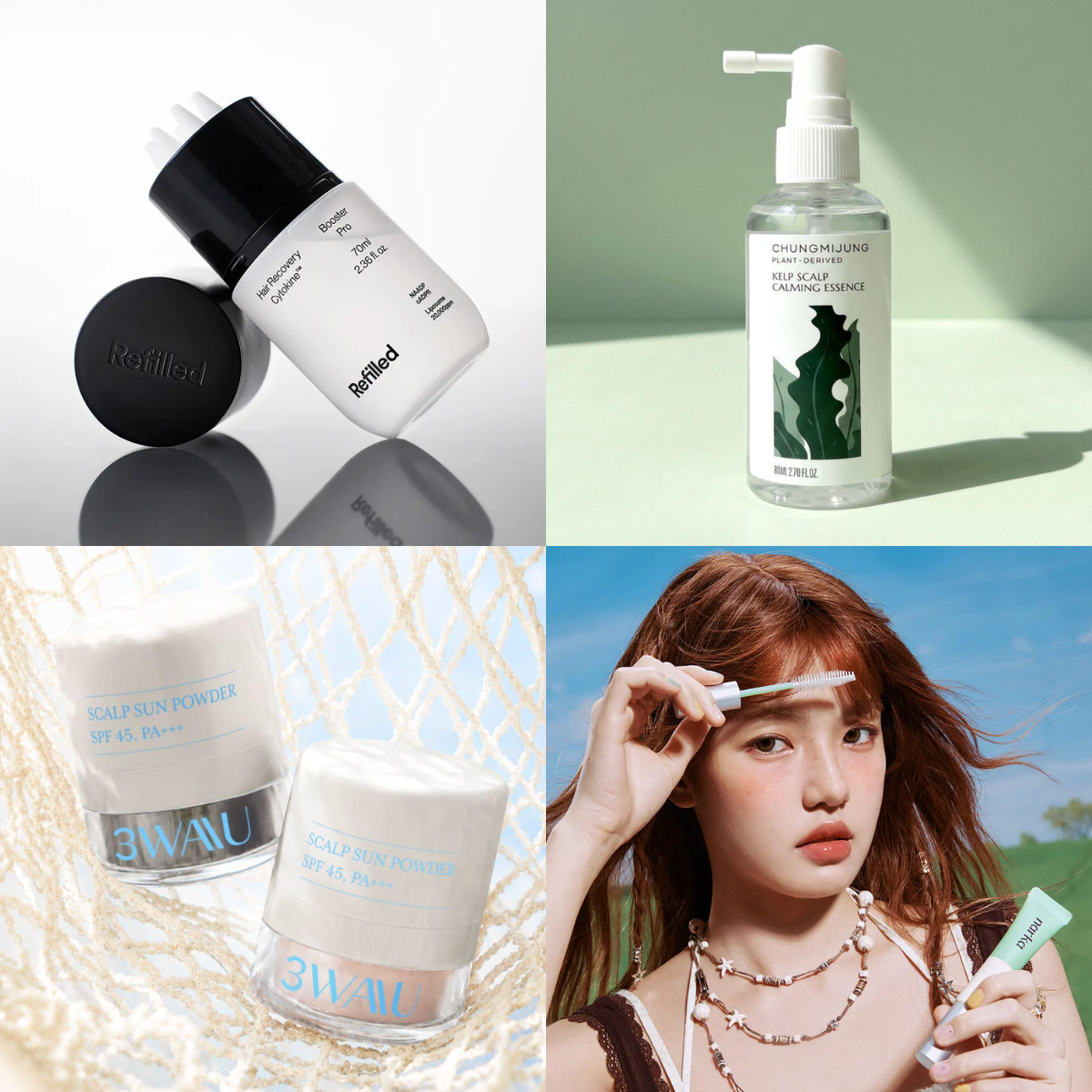
Image: Refilled, Chungmijung, 3WAAU, Narka
Body care has evolved in similar ways. Traditional lotions are now joined by body toners, body serums, body-acne solutions, and products that recreate spa-like experiences at home through new textures and application methods. Innovation is no longer confined to the face. Brands are applying the same formulation philosophy, cosmetic elegance, and product design to categories that historically received far less attention.
Retailers are evolving alongside the market. New subcategories continue appearing online and in stores, reflecting growing consumer demand for products organized around increasingly specific concerns rather than broad body-care functions.
The Rise of Hyper-Specific Beauty Categories
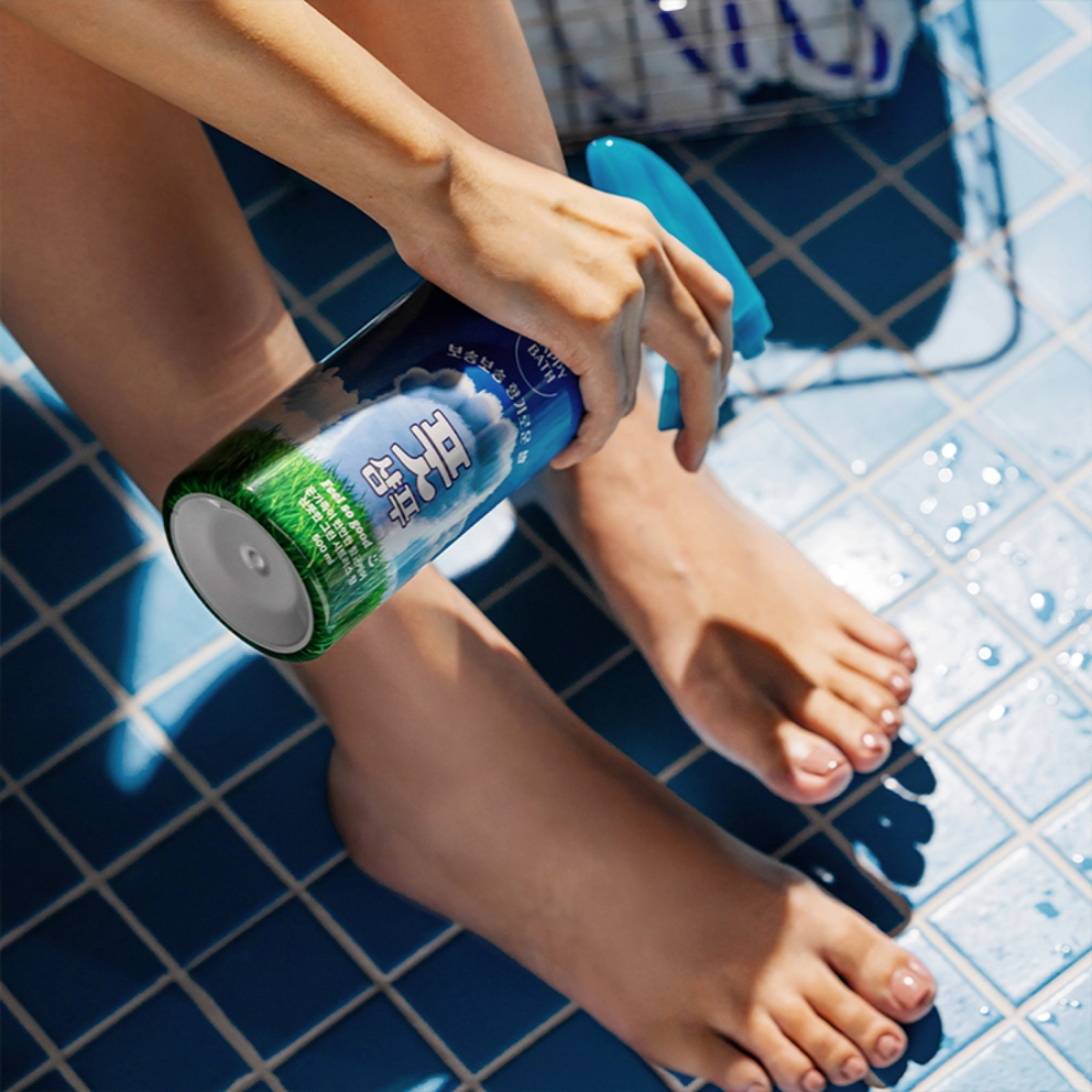
Image: Happybath
As competition expands beyond facial skincare, brands are increasingly differentiating themselves by solving one highly specific problem better than anyone else.
This shift can be seen across categories. Not4U developed products around body acne, a concern that traditional body care often overlooked. Bycolor entered the market with cellulite-focused body treatments, while Refilled approached Korea’s widespread hair-loss concerns through a more treatment-oriented scalp solution. Meanwhile, On:thebody helped establish foot shampoo as its own hygiene category rather than treating foot care as an extension of body wash.
Even everyday grooming products continue becoming more specialized. Portable gel-based hair mascaras now offer a cleaner alternative to traditional dry shampoo sprays for controlling oily hair throughout the day, while increasingly advanced deodorant products and other targeted treatments reflect consumers’ expectations that every concern should have its own optimized solution.
Rather than competing to create one product that serves everyone, Korean brands are identifying increasingly specific moments within daily routines and designing products around those individual needs.
Market Insight
Beauty Categories Expand When Consumer Expectations Expand
The commercial opportunity in Korean beauty’s next phase isn’t simply that body care, scalp care, or hair care categories are growing. It’s that Korean consumers are applying the same ingredient fluency, routine sophistication, and specific-concern thinking beyond the face.
Brands that recognize this shift can build entirely new categories from needs that consumers previously accepted as normal. The next opportunity in Korean beauty is unlikely to come from another facial serum. It’s more likely to emerge from a part of the body, scalp, or hair routine that consumers have begun paying closer attention to but where product innovation still lags behind consumer expectations.
What This Means for Korean Beauty
International observers still tend to identify Korean beauty with the face. That’s historically accurate and increasingly incomplete.
Korean beauty became globally influential by transforming facial skincare into one of the world’s most sophisticated consumer categories. The next phase of that evolution is not about creating another variation of a category that has already undergone years of repeated innovation. It is about applying the same level of formulation expertise, routine thinking, and product specialization to areas of beauty that consumers are only beginning to explore.
As Korean consumers expand what they consider worthy of care, brands will continue expanding what Korean beauty itself includes.
Sources
- Illiyoon Ceramide Ato Lotion (brand positioning, barrier-care body lotion, consumer reviews): https://www.oliveyoung.co.kr/store/goods/getGoodsDetail.do?goodsNo=A000000099699
- Not4u (brand positioning): https://www.oliveyoung.co.kr/store/goods/getGoodsDetail.do?goodsNo=A000000209146&dispCatNo=9000002&trackingCd=BrandA001810_PROD&t_page=%EB%B8%8C%EB%9E%9C%EB%93%9C%EA%B4%80&t_click=%EC%A0%84%EC%B2%B4%EC%83%81%ED%92%88_%EC%A0%84%EC%B2%B4_%EC%83%81%ED%92%88%EC%83%81%EC%84%B8&t_number=1
- Refilled: https://www.oliveyoung.co.kr/store/goods/getGoodsDetail.do?goodsNo=A000000232546&t_page=%ED%86%B5%ED%95%A9%EA%B2%80%EC%83%89%EA%B2%B0%EA%B3%BC%ED%8E%98%EC%9D%B4%EC%A7%80&t_click=%EA%B2%80%EC%83%89%EC%83%81%ED%92%88%EC%83%81%EC%84%B8&t_search_name=Refilled&t_number=1&dispCatNo=1000001000400140001&trackingCd=Result_1
- On:thebody: https://www.oliveyoung.co.kr/store/goods/getGoodsDetail.do?goodsNo=A000000117399&dispCatNo=100000100030024&t_page=%EC%B9%B4%ED%85%8C%EA%B3%A0%EB%A6%AC%EA%B4%80&t_click=%ED%92%8B%EC%BC%80%EC%96%B4_%EC%A0%84%EC%B2%B4__%EC%83%81%ED%92%88%EC%83%81%EC%84%B8&t_number=4
- Bycolor: https://www.oliveyoung.co.kr/store/goods/getGoodsDetail.do?goodsNo=A000000230667&t_page=%ED%86%B5%ED%95%A9%EA%B2%80%EC%83%89%EA%B2%B0%EA%B3%BC%ED%8E%98%EC%9D%B4%EC%A7%80&t_click=%EA%B2%80%EC%83%89%EC%83%81%ED%92%88%EC%83%81%EC%84%B8&t_search_name=bycolor&t_number=4&dispCatNo=1000001000300250001&trackingCd=Result_4
- CJ Olive Young — “2026 트렌드 키워드 리포트” (body care category growth, situational merchandising, ingredient-driven body products): https://corp.oliveyoung.com/ko/trend/insight-studio/8
- Siseon — “How Korean Consumers Keep Redefining Product Categories” (the category refinement mechanism, zone-specific demand, consumer-led specialization): [internal cross-reference]
- Siseon — “Why Shoulders and Arms Have Become Korea’s New Beauty Obsession”: [internal cross-reference]