

When Food Becomes Makeup
Korean makeup trends do not always start in makeup.
Sometimes they start with a song, an idol’s styling, a fashion color, a food trend, or a visual that suddenly becomes impossible to miss. Beauty brands are often among the industries quickest to turn that cultural attention into a product.
That is what makes food-inspired makeup particularly interesting. In Korea, a food name can become more than a clever shade name. Once the reference starts appearing across celebrities, creators, brands, and consumer conversations, it can become a shared way of describing what looks desirable.
The result is a beauty vocabulary that can move surprisingly quickly from culture to content to commerce.
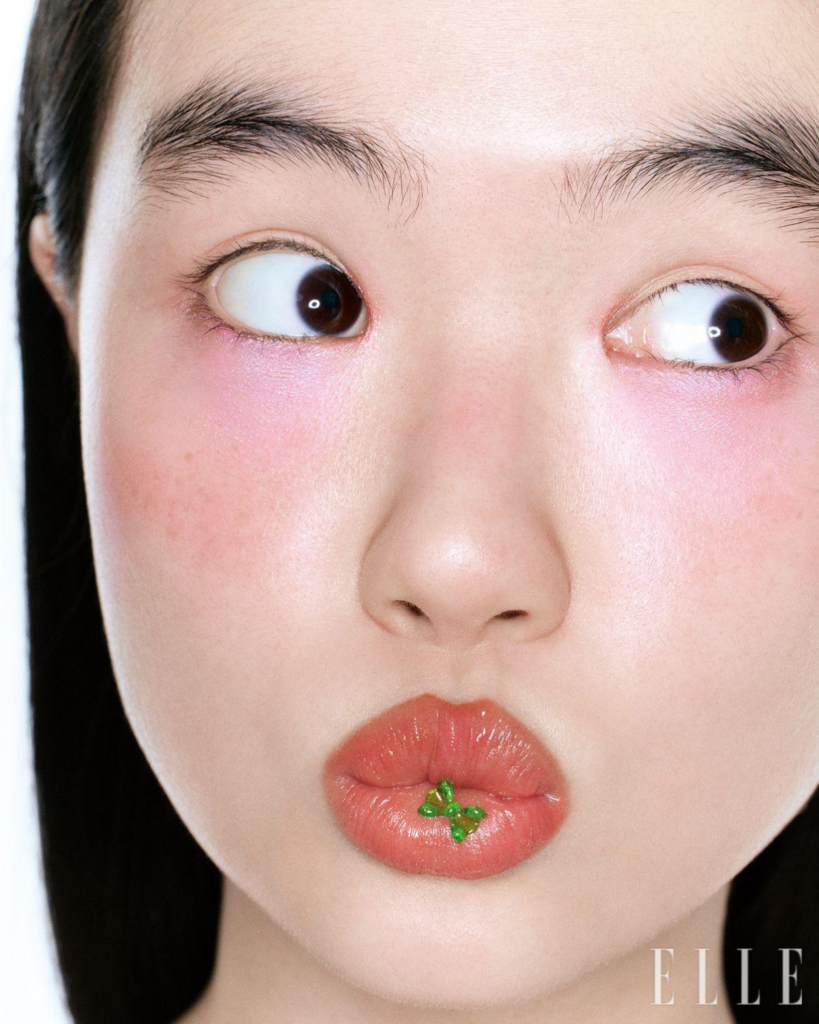
Image: Elle Korea
From Lemonade to Lime
The summer of 2026 offers a useful example of how this happens.
aespa, one of Korea’s most internationally recognized K-pop groups, brought a lemon-yellow visual language into the spotlight around the release of their album Lemonade. Hearts2Hearts, another SM Entertainment girl group that has quickly built a following among younger Korean consumers, followed with Lemon Tang only weeks later. Neither release was a beauty launch, but both helped make lemon an immediately recognizable summer reference.
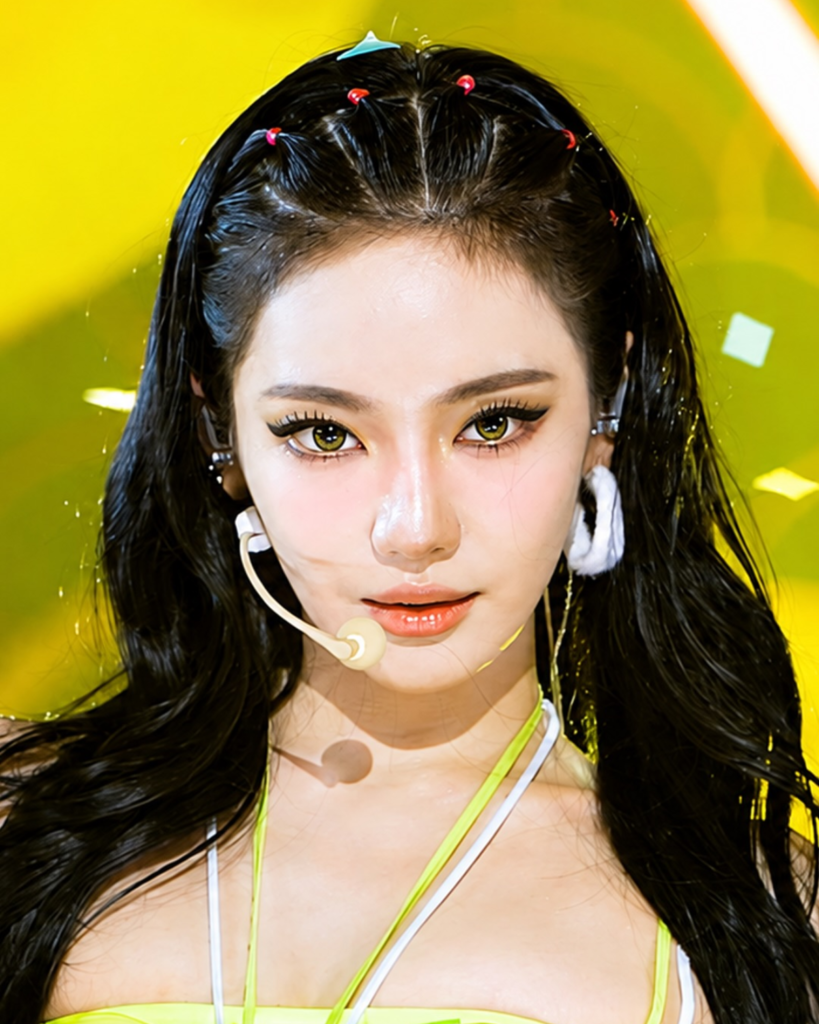
Image: Celeb Fashion Magazine
aespa member Ningning pushed the beauty side of the trend even further. Her lemon-inspired eye makeup, particularly the pop of yellow along her lower lash line, became a highly shared look in Korean beauty content. Influencers posted tutorials recreating it, while fashion and beauty media identified the products used to create the look. It was hardly the kind of yellow eyeliner most people would wear every day. That was part of the appeal. The look was distinctive enough to become content.
This is where the relationship between culture and Korean beauty gets interesting.
Product launches are often the evidence that a trend has arrived. They are not necessarily where the trend started.
By the time beauty brands began introducing lemon- and citrus-inspired colors, consumers had already encountered the reference through music, celebrity styling, social media, and seasonal imagery. The beauty industry was not creating the meaning of lemon from scratch. It was giving consumers another way to participate in something they already recognized.
Lime appeared as a smaller, adjacent response. It belonged to the same citrus family without simply repeating the lemon moment. The bigger shift came with tomato, which gained much stronger traction across celebrity makeup, creator content, and Korean beauty launches.
The point is not that Korean beauty brands simply copy whatever becomes popular elsewhere. It is that they are unusually well positioned to translate a cultural signal into a product while the signal is still commercially useful.
When a Food Becomes a Beauty Vocabulary
Consumers already know what a peach looks like. They know the color of a ripe tomato, the translucent pink of pollock roe, the muted warmth of a fig, and the soft brown of freshly baked bread.
That familiarity is exactly what makes the reference useful.
A Korean beauty brand does not have to explain every visual quality it wants a consumer to imagine when it calls something “tomato,” “peach,” or 명란립 (myeongnan lip). The reference already gives consumers somewhere to start. They can picture the color, but they can also imagine its softness, warmth, translucency, freshness, or overall mood.
That becomes particularly useful in a market where consumers are already accustomed to discussing makeup in highly specific visual terms. Food references give them an accessible way to talk about those differences without needing technical color vocabulary.
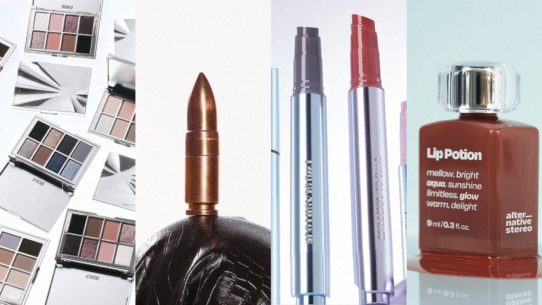
This is why food-inspired names have become so common across Korean lip products. Peach, cherry, fig, grape, tomato, pomelo, lemon, almond, and papaya all appear as part of the broader vocabulary consumers use to describe makeup.
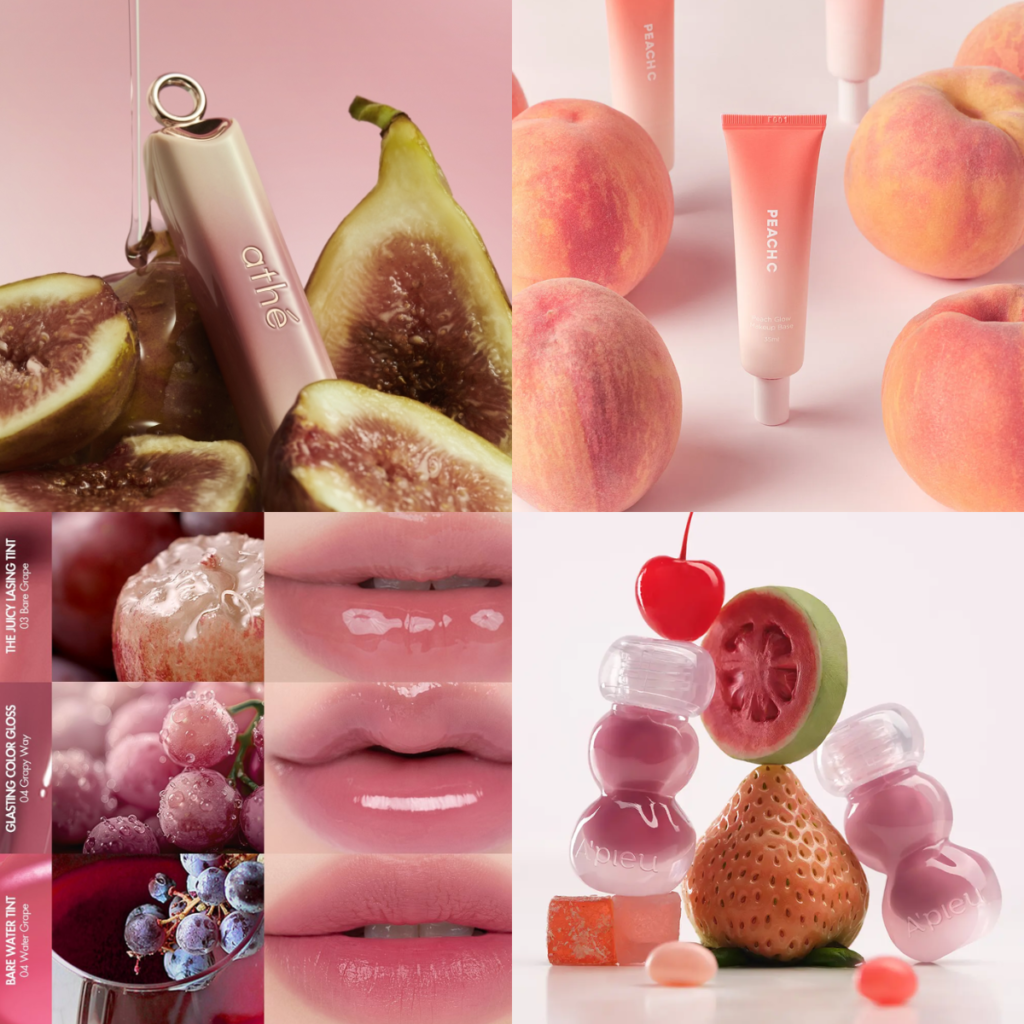
Image: Athe, PeachC, Romand, Apieu
But the reference does not have to come from an especially attractive food.
명란립 (myeongnan lip), for example, takes its name from 명란 (myeongnan), or pollock roe. The appeal is not the food itself. It is the visual reference. The soft pink-orange color and slightly translucent quality give consumers a much more specific picture of the intended look than a generic description could.
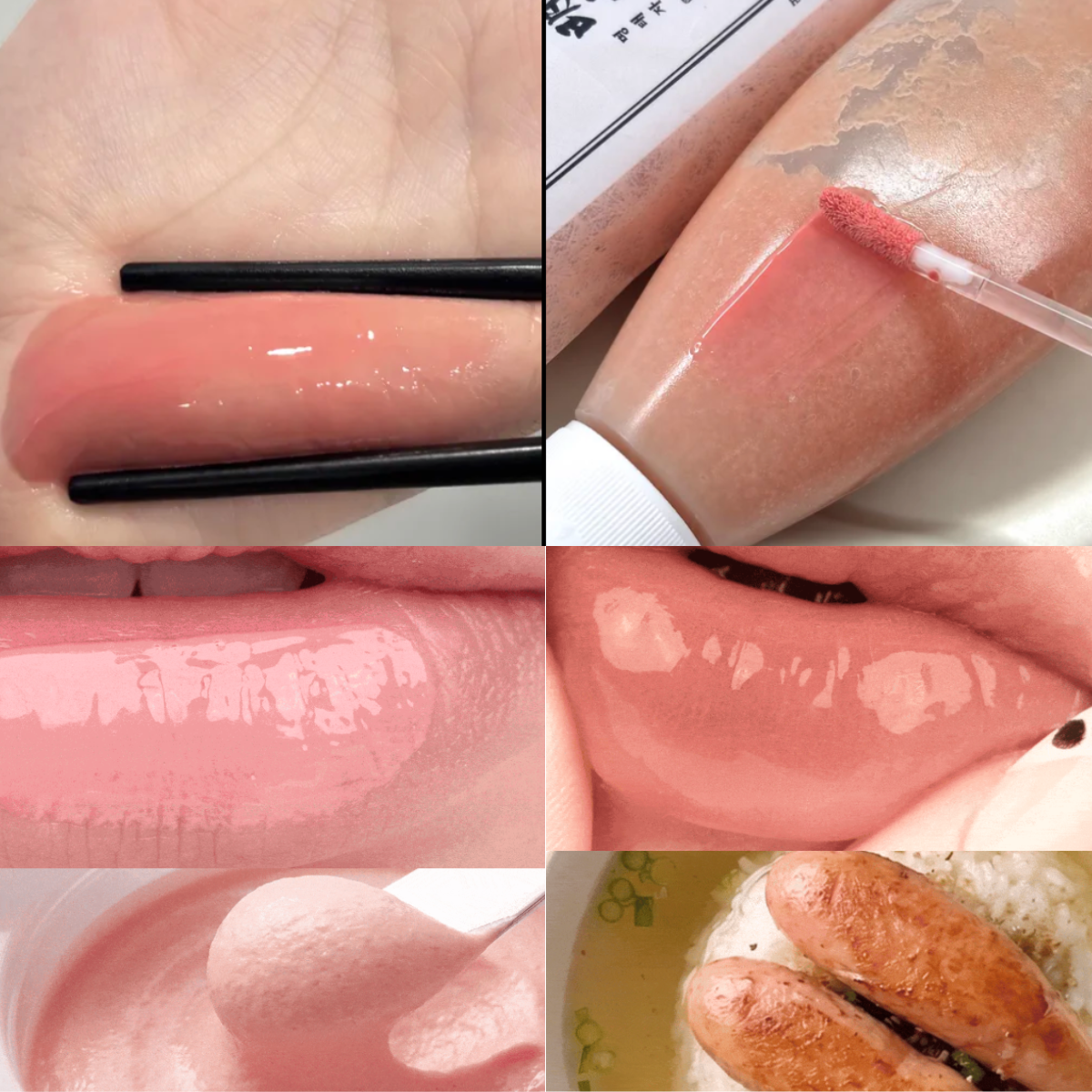
Image: Romand
The same principle appeared with the 굽굽 (gubgub) or “toasty” makeup trend that emerged in 2025. The appeal wasn’t simply that the colors looked like something baked. The reference gave a group of warm beige, brown, muted coral, and softly developed shades a recognizable personality. Instead of treating each shade as an isolated product, brands could sell an entire mood through one familiar idea.
That is where the reference becomes commercially useful. The food is doing some of the creative work for the brand. Gubgub suggests warmth, softness, richness, and a slightly baked finish without requiring a long explanation of what the makeup is supposed to look like.
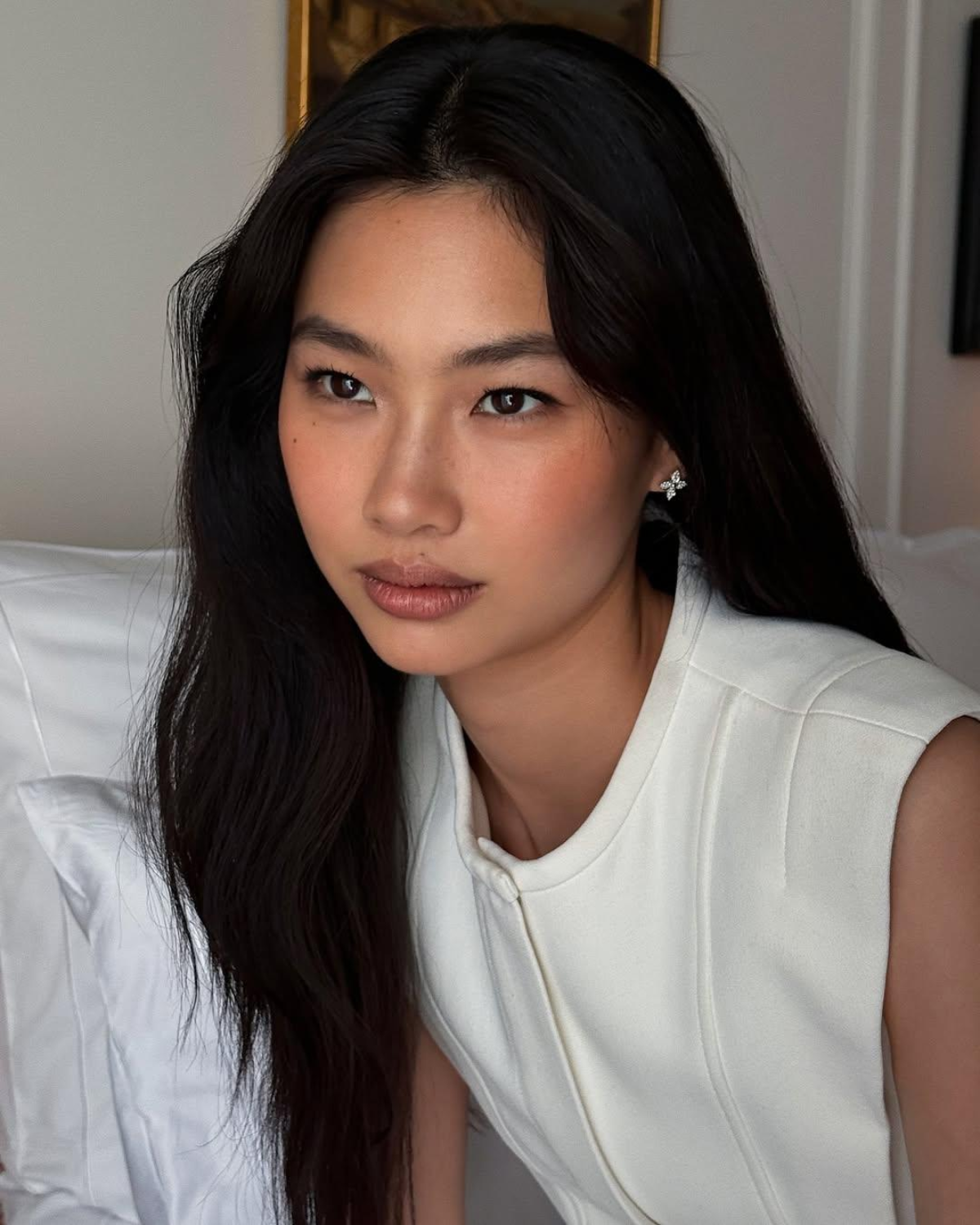
Image: Hoyeon Jung
The connection to fashion was also helped by the growing influence of personal color analysis. As more Korean consumers began identifying themselves through categories such as autumn warm, colors traditionally associated with the category, including browns, warm neutrals, deeper corals, and other autumnal shades, became easier to incorporate into everyday styling. One 2022 analysis from beauty platform Jamface found that roughly one in four MZ-generation women surveyed were classified as autumn warm, illustrating how large the consumer base for these color recommendations could be.
Fashion brands had an obvious reason to respond. As these colors became more visible in what consumers were wearing, warm browns and deeper neutrals became a more commercially relevant fashion palette. Makeup followed naturally. Consumers who were already building their wardrobes around colors they had been told suited them had another reason to look for makeup that worked within the same palette.
This is where the Gupgup aesthetic became more than a makeup trend. The warm, baked-looking colors fit neatly into a broader preference for autumnal styling, giving consumers a way to coordinate their makeup with the colors already appearing in their clothes and accessories. What may have looked like a niche makeup aesthetic was being reinforced by a much larger shift in how Korean consumers were thinking about color across their appearance.
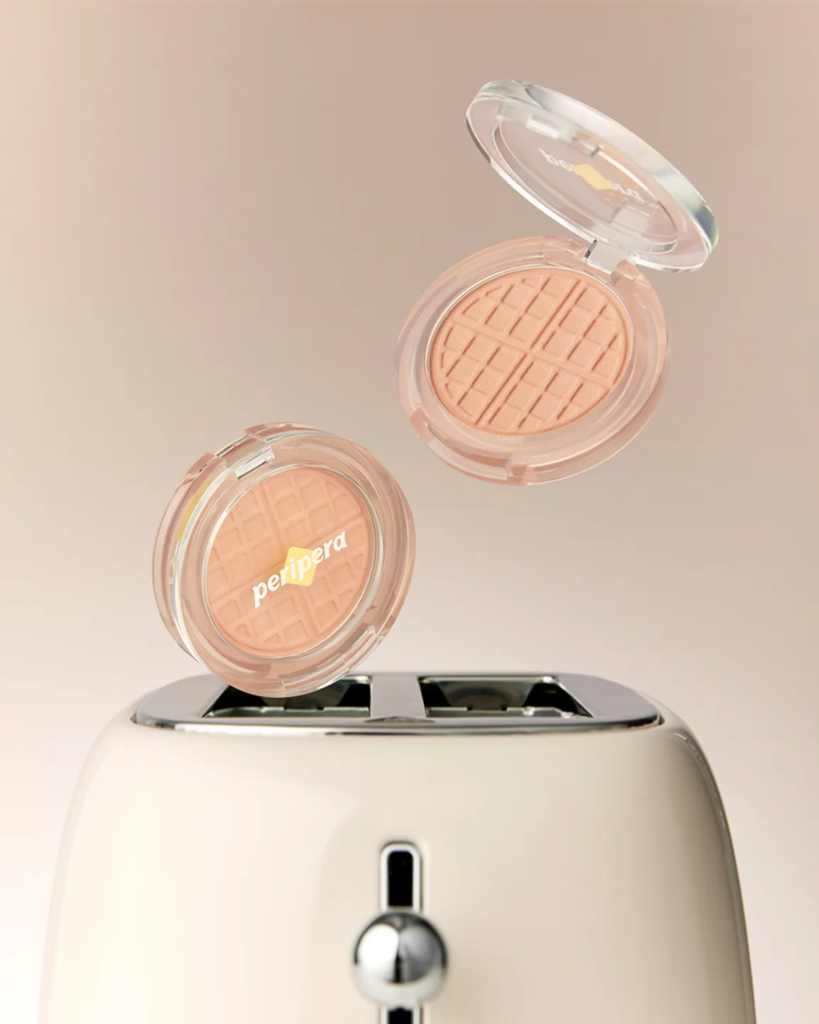
Image: Peripera
That is part of why Gupgup had staying power. The trend was not operating on its own. Personal color analysis helped create demand for the palette, fashion made those colors more visible, and makeup brands had an obvious opportunity to translate the same preference onto the face. New warm and baked-toned releases appearing again ahead of fall show how a once-seasonal reference can become a commercially useful color family.
How One Trend Can Move Across Categories
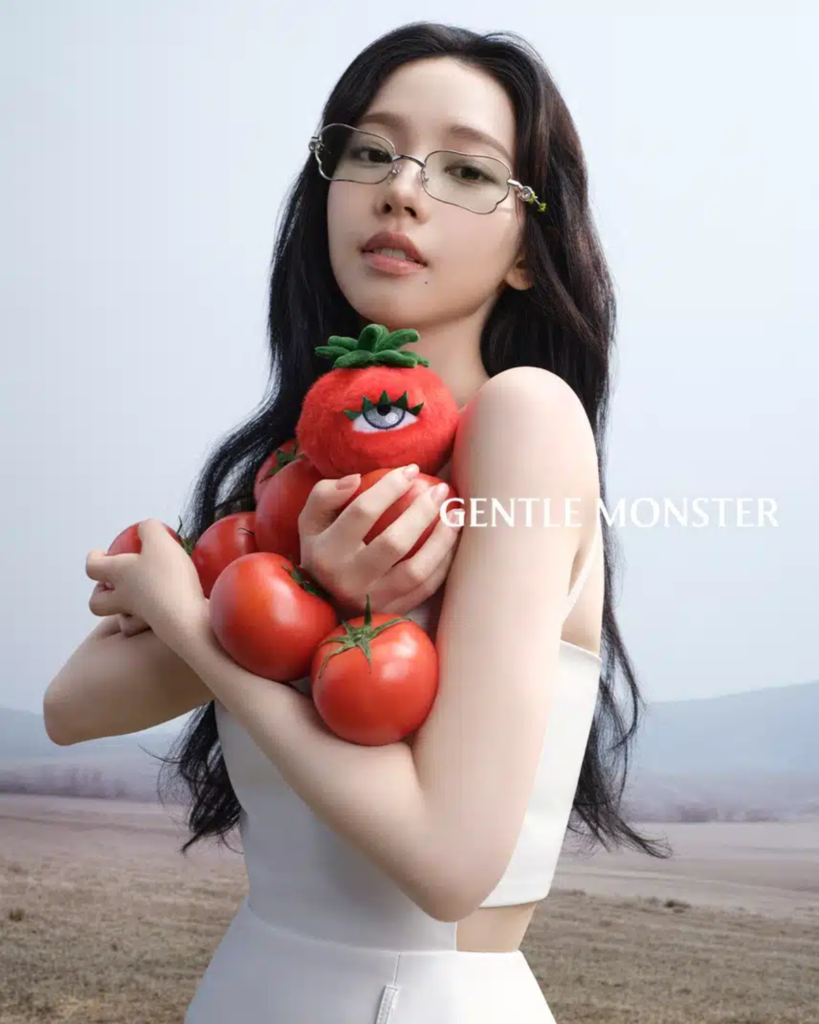
Image: Gentle Monster
Korean consumer trends rarely stay neatly inside the category where they begin.
When a visual reference becomes culturally relevant, brands in different industries can respond to the same signal in their own way. Fashion may pick up the color. Beauty may turn it into makeup. Food and beverage brands may translate it into flavors. Cafés may turn it into seasonal menus. The individual products are different, but the consumer reference is shared.
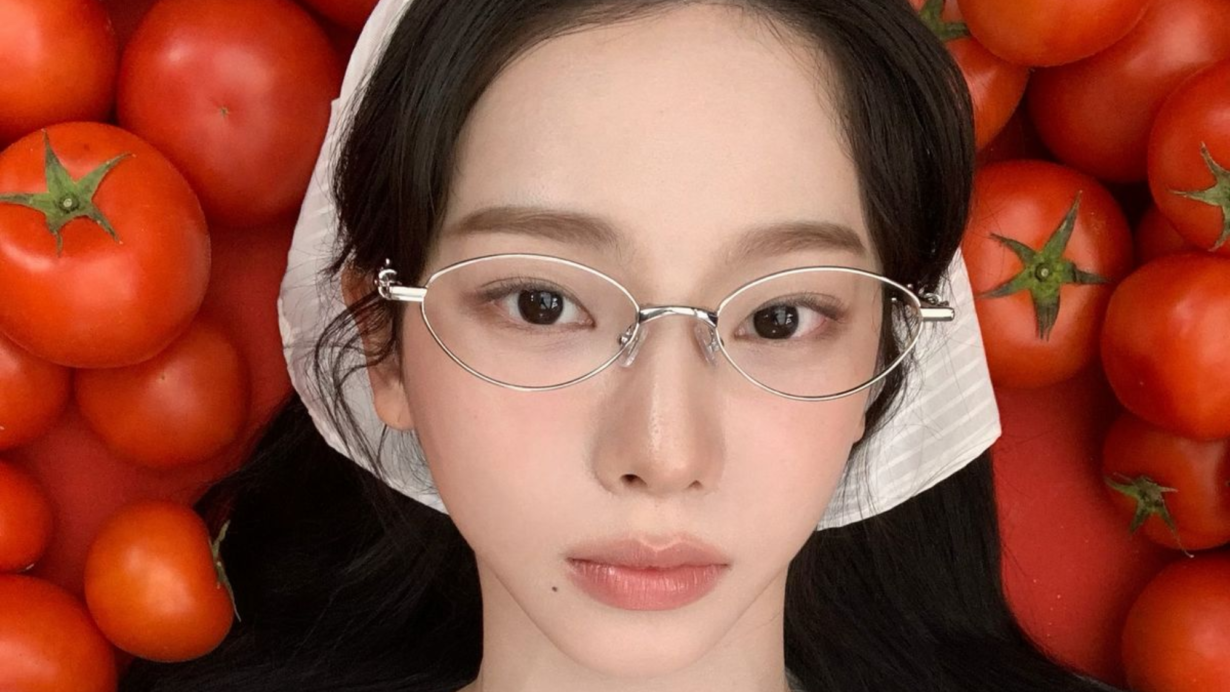
When a food reference becomes culturally recognizable, other industries can pick it up and reinterpret it for their own consumers. Gentle Monster’s 2026 Veggie Collection, for example, used a tomato as a central visual motif in its campaign with aespa’s Karina. The product itself isn’t beauty, but the tomato is doing similar cultural work: it immediately communicates a color, mood, and visual concept without requiring much explanation.
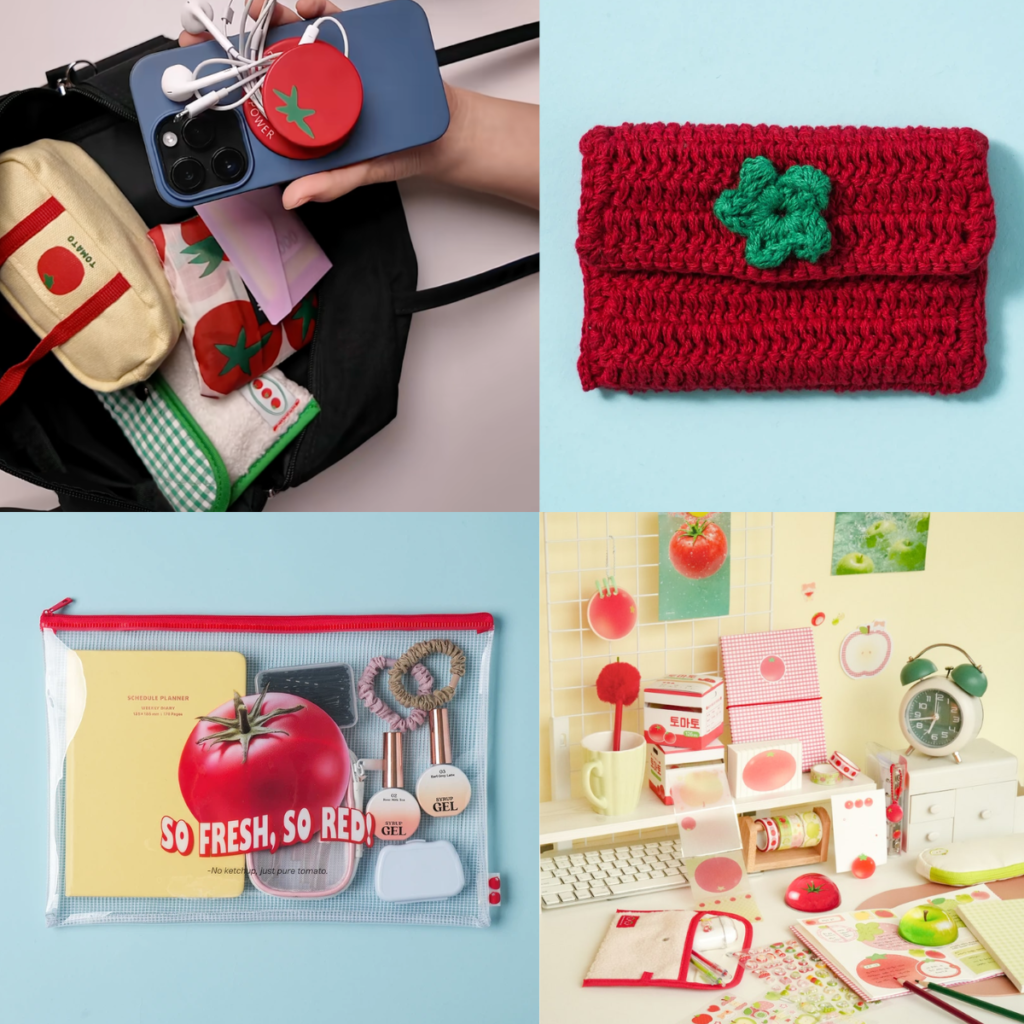
Image: Daiso
The summer 2026 mint trend offers a useful way to think about this. As mint gained visibility in fashion and beauty, it created an opening for adjacent interpretations. A beauty brand could develop mint-inspired makeup colors, while food and beverage brands could explore mint-colored packaging or flavors and cafés could incorporate the same visual language into seasonal offerings.
The important point is not whether every industry responds, or which category moves first. It is that the same cultural signal can become stronger when consumers encounter it in multiple places.
For companies watching Korean consumer trends, that makes cross-category observation particularly important. A beauty trend may have started in fashion. A food trend may have originated in entertainment. A color may first become visible through an idol before brands in any category have commercialized it.
The useful question is therefore not simply “What is trending in beauty?”
It is “Where did this signal start, and where else is it beginning to appear?”
Market Insight
Don’t Just Track the Trend. Track Its Origin.
For companies trying to understand Korean consumer trends, food-inspired makeup offers a useful reminder that product launches are often the easiest signal to see and the least interesting place to start.
A food reference may emerge through entertainment, celebrity styling, fashion, social media, another consumer category, or even from consumers themselves. Beauty brands may then respond, or another industry may get there first. There is no single sequence.
What matters is identifying where the reference first began gaining cultural meaning and then watching whether it starts appearing elsewhere.
That is where a trend becomes more commercially interesting. If the same color, food, phrase, or aesthetic starts moving across unrelated categories, it is no longer just a product opportunity. It is becoming part of the consumer’s cultural vocabulary.
For global companies studying Korea, this means product tracking should sit alongside broader cultural monitoring. The next useful signal may not be a new lipstick launch. It may be a color appearing repeatedly in fashion content, a food reference gaining traction among creators, or an expression consumers have started using before brands have claimed it.
By the time the product arrives, the market may already be telling you why it matters.
The Real Trend Is the Vocabulary
Food-inspired makeup is easy to dismiss as clever naming.
It is more interesting than that.
When Korean consumers start calling a look “tomato,” “myeongnan,” or “toasty,” they are not simply giving brands new names for colors. They are creating a shared vocabulary for what they want makeup to look and feel like.
That vocabulary gives consumers an easier way to search, discuss, recreate, and recommend a trend. It gives creators an immediately understandable concept to turn into content. And it gives brands a ready-made cultural reference that can be translated into products.
For companies watching Korean beauty, that is the part worth paying attention to.
The product launch tells you what brands have decided to sell. The language consumers are already using can tell you what they are beginning to want.
In a market as fast-moving as Korea, that difference can be the space between following the trend and seeing it coming.
Sources
- Kyunghyang Shinmun / Lady Khan — “노릇노릇 구운 빵의 색감, 요즘 메이크업 트렌드는 ‘토스티'” (Ably platform data: 123% search growth, beige and brown volume): https://lady.khan.co.kr/beauty/article/202512301052001/
- Rom&nd official account (@romand_kr) — #오동통명란립 product teaser, visual description: https://x.com/romand_kr/status/2080545097830347192
- UPI — “Aespa releases ‘Lemonade’ album, music video” (May 29, 2026): https://www.upi.com/Entertainment_News/Music/2026/05/29/korea-aespa-lemonade-album-video/6461780068900/
- InkiStyle — “AESPA ‘Lemonade’ Outfits & Fashion Breakdown” (citrus color palettes, visual documentation): https://inkistyle.com/kpop-fashion-aespa-lemonade-mv/
- Kpop Fandom Wiki — Lemon Tang, Hearts2Hearts (concept, title explanation, pop-up June–July 2026): https://kpop.fandom.com/wiki/Lemon_Tang
- Korea Times — “Hearts2Hearts projects full summer energy with new release ‘Lemon Tang'” (release coverage): https://www.koreatimes.co.kr/entertainment/k-pop/20260622
- Rom&nd — #오동통명란립 (“plump myeongnan lip”) — Official brand social content used to illustrate how 명란 (myeongnan, pollock roe) became a makeup reference.
- Allure Korea — “인간 레몬 등장! 여름에 꼭 하고픈 닝닝의 상큼한 레모네이드 메이크업” — Coverage of aespa Ningning’s Lemonade makeup and the yellow/lemon makeup trend: https://www.allurekorea.com/?p=342843
- Newsen — Gentle Monster x Karina / tomato concept: https://www.newsen.com/news_view.php?uid=202605181706461210
- News1 — personal color analysis / autumn-warm consumer data: https://www.news1.kr/industry/distribution/4559729