

K-Beauty’s High-Frequency Retail Pivot
Beauty retail has long depended on intentional destinations. Olive Young serves as the ultimate destination for discovery, department stores retain luxury market share, and Daiso drives low-cost experimentation.
Convenience store chains GS25, CU, and 7-Eleven operate under a fundamentally different commercial logic. Shoppers rarely step inside a corner store intending to curate a skincare routine. They’re there to drop in to buy a pack of gum, a dosirak for lunch, or late-night essentials.
But as portable skincare items and travel essentials start popping up, convenience store chains are opening up an unexpected new touchpoint for modern cosmetic consumption.
From Emergency Fix to Discovery
Convenience store beauty in Korea used to be an emergency compromise. You forgot your makeup remover, lost your lip balm, or needed a quick fix before an unexpected meeting. However, that narrative is changing.
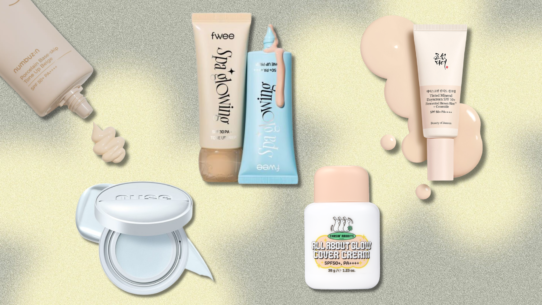
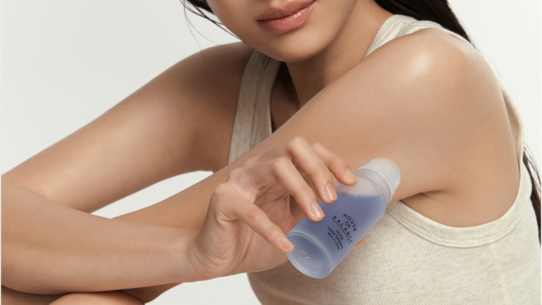
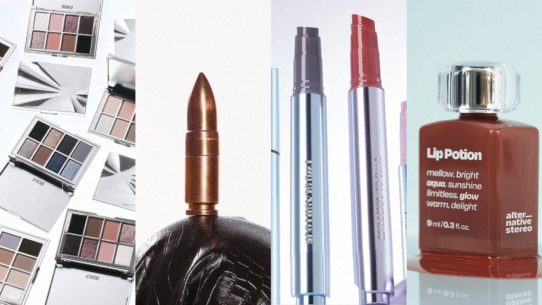
Modern convenience shelves are filling with recognizable K-beauty brands in compact, single-use, and pocket-friendly formats.
7-Eleven’s flagship Dongdaemun Dundun branch signaled this evolution by launching dedicated beauty zones featuring established names like ma:nyo, Mediheal, and Cell Fusion C.
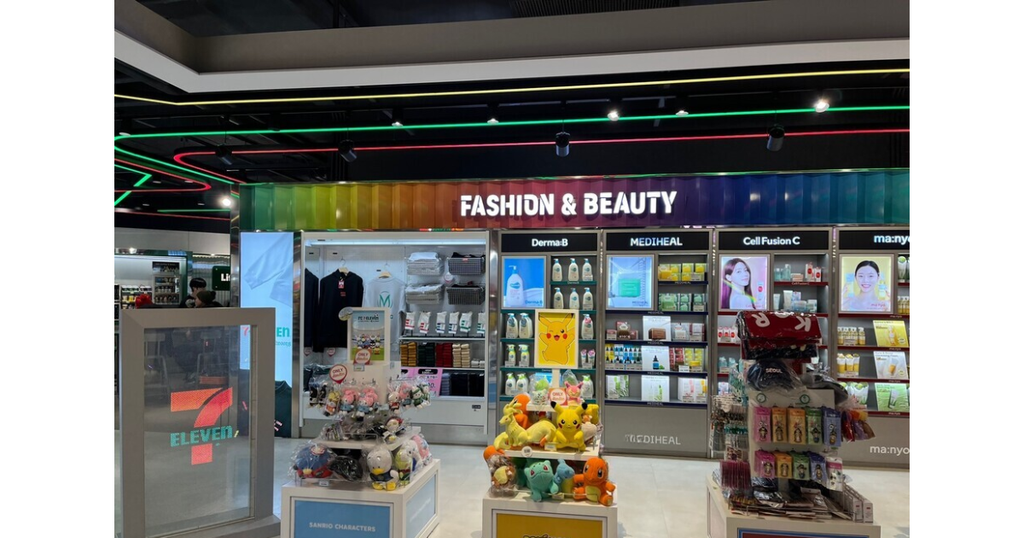
Image: 파이낸셜투데이
GS25 has also developed skincare products with Dewytree and Mediheal in small, affordable formats, while CU has expanded into products including lip tints and tinted cosmetics.
The shift is not about settling for whatever happens to be available in a pinch. It is about an advanced cosmetics market lowering friction so completely that quality beauty routines can happen anywhere, at any hour of the day.
Capturing the Immediate Situational Need
Understanding Korea’s evolving beauty footprint depends on mapping specific buying occasions across retail formats.
Olive Young provides routine building and multi-brand exploration, while Daiso leverages low-risk pricing to drive spontaneous product experimentation. Convenience store networks solve a fundamentally different consumer problem centered on situational timing.
Whether a consumer requires late-night makeup removal, immediate sun protection on a day trip, or portable skincare during an unexpected overnight stay, convenience retail monetizes real-time proximity.
Chains like GS25, CU, and 7-Eleven excel at capturing these high-frequency, time-sensitive micro-occasions. By delivering trusted K-beauty formulations at the exact moment a physical need arises, convenience stores are securing a distinct, highly profitable niche within Korea’s dense urban retail landscape.
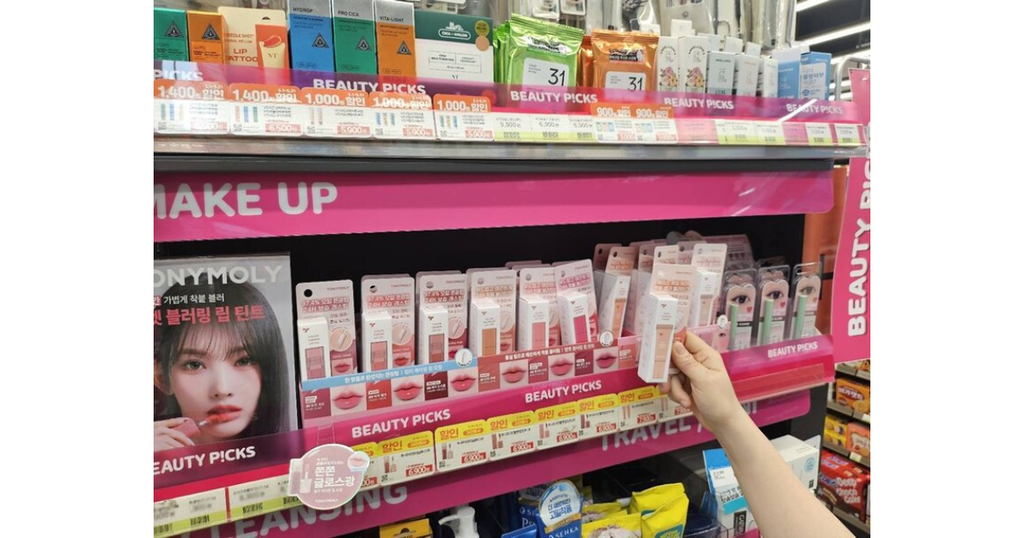
Image: 머니투데이
How Situational Design Reshapes Product Development
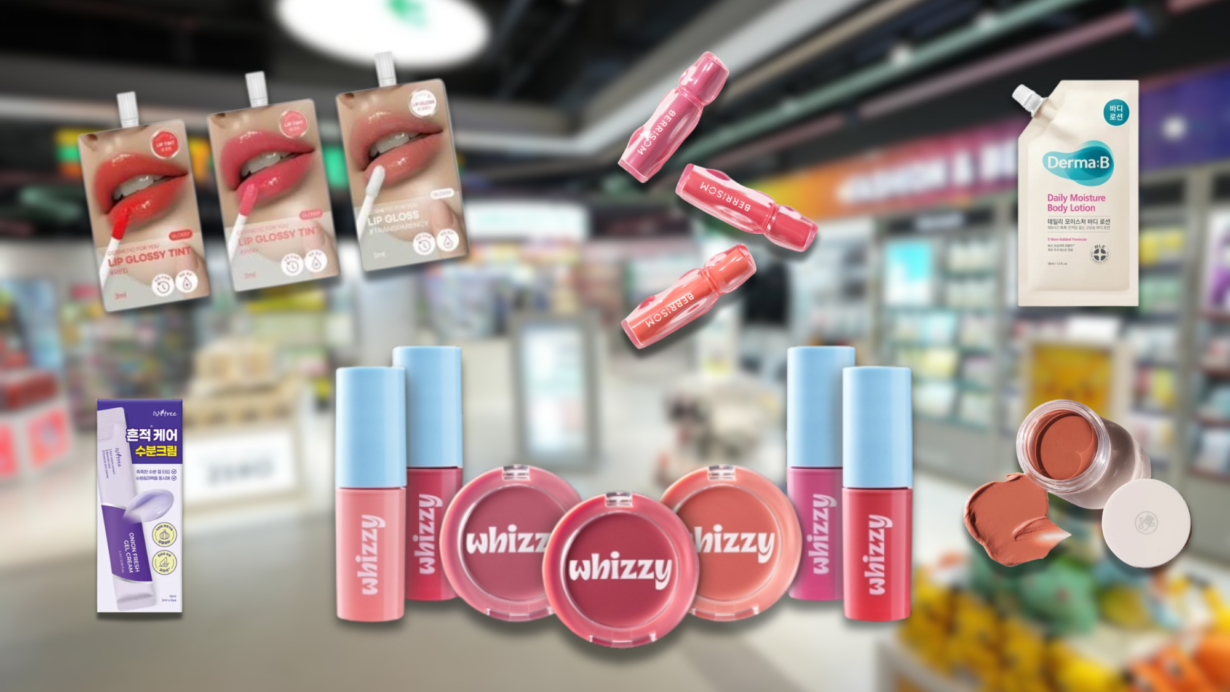
Physical product design in convenience cosmetics operates as an explicit strategic response to situational demand. Sachet-packaged sunscreens, single-use cleansing pads, and pocket-sized liners are engineered around immediate physical necessity rather than downsized packaging.
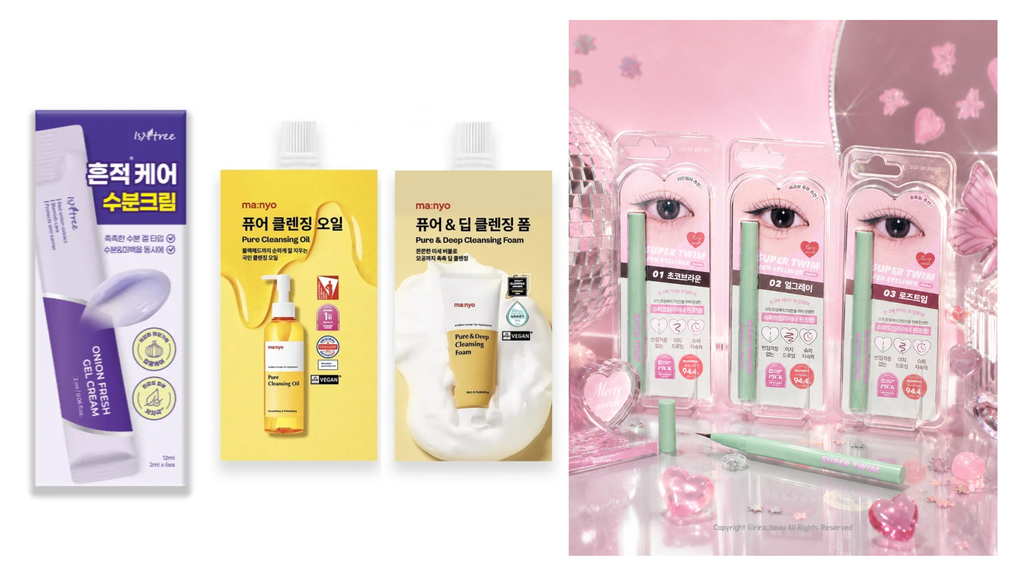
Image: Isntree, ma:nyo, Merrymonde
The commercial success of pouch-based cosmetics across Asian retail proves that modern shoppers prioritize immediate convenience over traditional full-sized packaging.
Recognizing this shift, Korean cosmetics houses are exporting tailored convenience sub-brands to Japan, leveraging Lawson, FamilyMart, and 7-Eleven networks to capture high-frequency impulse trial.
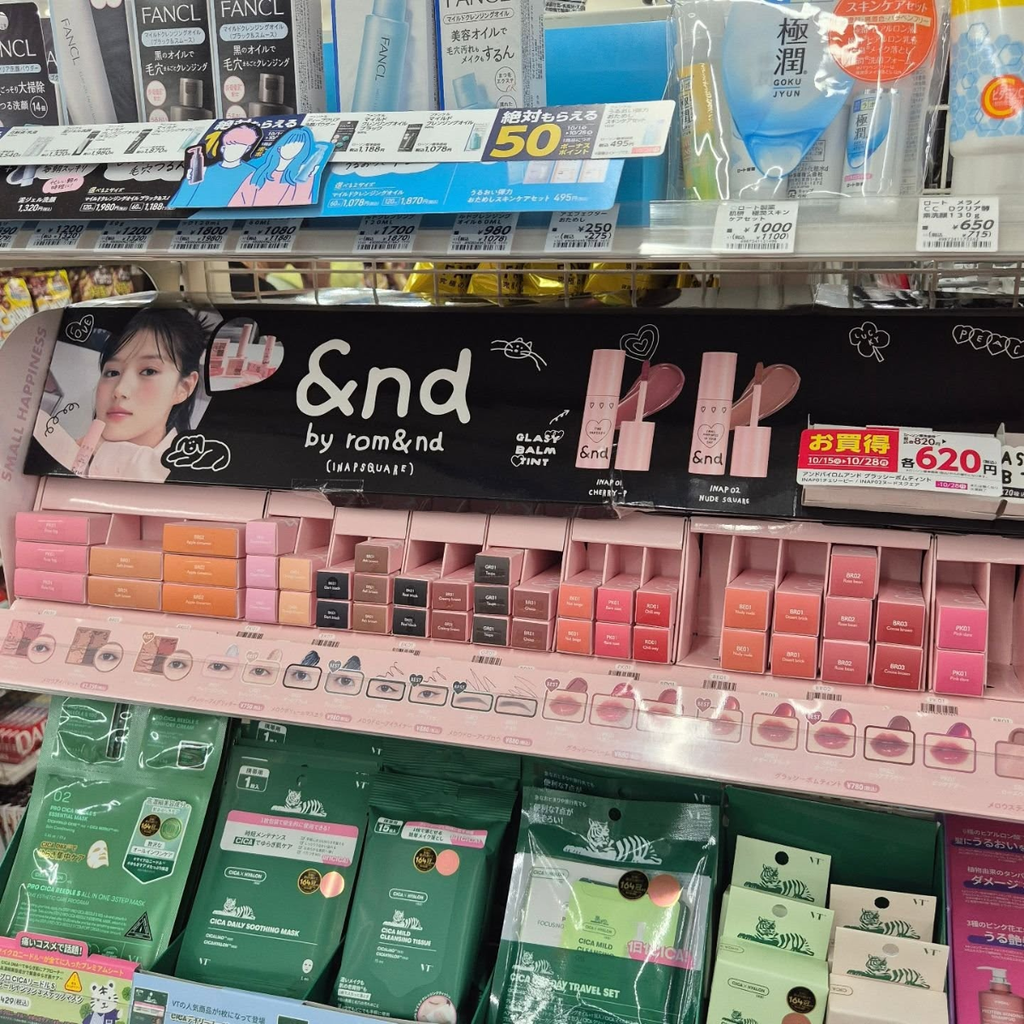
Image: asiabnc.co.kr
These regional expansions modify product assortments, price architecture, and packaging sizing specifically for convenience. This proves convenience is not just a way to move products. It fundamentally shapes what brands produce.
What Could Come Next
Tailoring product development to specific consumer moments represents a major shift in retail strategy. Sebum-controlling sprays, cooling wipes, or post-gym recovery products addresses precise situational friction points rather than general beauty maintenance.
Korean convenience stores are moving toward an ecosystem organized around this situational utility, putting products within arm’s reach when the need strikes. This dynamic proves that demand starts long before a consumer enters a specialty store.
A sudden need for sunscreen on the way to the beach or an emergency cleanser during travel creates immediate, context-driven demand. By stocking travel-sized, portable solutions directly into daily urban foot traffic, convenience chains show how product format, volume, and packaging adapt whenever consumption contexts change.
Expanding into neighborhood retail is less about entering Korea’s corner store networks than recognizing how modern consumer triggers work.
Global brands must identify where consumers experience real-time friction. The physical touchpoint may vary across gyms, campuses, hotels, or convenience aisles, but capturing the immediate moment remains the ultimate competitive advantage.
Rethinking Where Beauty Happens
The trade-off between needing a cosmetic product immediately and settling for low quality is rapidly disappearing. Korea’s neighborhood retail ecosystem is proving that immediate access can coexist with trusted formulation.
Whether convenience stores permanently rival dedicated beauty hubs remains to be seen, but the broader implication shows us that the exact moment a consumer realizes they need a solution is just as valuable as the store where they routinely shop.
For forward-thinking beauty brands, this realization unlocks a fundamental pivot in retail strategy. Instead of focusing exclusively on where consumers go to buy beauty, brands must ask where consumers are when beauty suddenly becomes necessary. That contextual moment is where the next major distribution channel will emerge.
Looking at Your Brand Strategy
Uncovering the hidden signals in Korean consumer culture requires looking past surface-level trends. If you are exploring how Korean market shifts, consumer behavior, and category movements can open new opportunities for your business, Siseon works with global teams to turn these observations into strategic advantage.
To discuss custom research, field intelligence, or strategic advisory for your team, connect with us directly at hello@siseonhq.com or fill out the contact form.
Sources
- EBN News / Korea distribution reporting (December 2024, 2025) — Seven-Eleven DunDun store beauty zone, GS25 10-20s cosmetics purchases, CU lip product expansion: https://www.ebn.co.kr/news/articleView.html?idxno=1644693
- Herald Korea / Daum (May 2025) — Seven-Eleven beauty product launches, Mediheal single-use formats, B’wants x HK InnoEn PDRN products: https://v.daum.net/v/WPBnTFQ0k3
- KonbiniDB (March 2026) — hana by hince FamilyMart Japan 1st anniversary, product line expansion: https://konbinidb.com/en/news/familymart/210017/
- Wikipedia / Rom&nd entry — &nd by rom&nd at Lawson Japan, March 2024: https://en.wikipedia.org/wiki/Rom%26nd