



Jade Is Having a Moment in Korea
Not a huge one at least. Not yet.
Young shoppers are heading to Jongno to look for jade rings, choosing thinner silhouettes and fresher colors than the jade jewelry their grandparents wore. A material long associated with older generations is suddenly appearing in summer styling, celebrity wardrobes, and social content again.
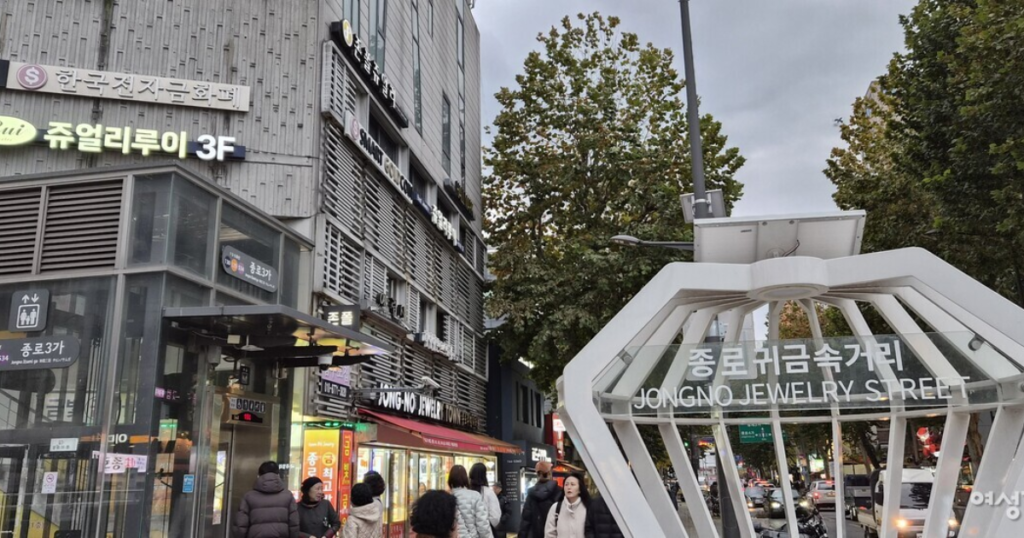
Image: Wolgok Jewelry Foundation
At first glance, this looks like a jewelry trend. Look a little closer and it starts to look like something else.
Mint has been one of the more visible colors in Korean fashion this summer. Jade sits naturally within that same green family, but it brings something mint cannot. It carries a Korean cultural memory with it.
That distinction matters.
Korean consumers already know jade. They have seen it on older relatives, in Korean dramas, in traditional jewelry, and in the stores of Jongno. Younger consumers are now taking that familiar material and wearing it in much lighter, more contemporary ways.
And Korean brands are beginning to do something even more interesting with it.
Oksan100, for example, has built a beauty and lifestyle brand around white jade, using the material across products such as soap, guasha tools, and fragrance. The brand is not simply borrowing jade as a decorative detail. It is making the material part of how the brand understands Korean aesthetics and contemporary daily life.
That is what makes the current jade moment worth paying attention to. The jewelry itself is interesting, but the bigger signal sits underneath it. Korean consumers are becoming more comfortable with things that once felt old-fashioned or overly traditional, while Korean brands are becoming more willing to turn those cultural references into products that feel desirable now.
You can see the same confidence developing elsewhere, from heritage-led beauty collaborations to retail spaces deliberately recreating the look and atmosphere of older Korea. Jade happens to be an unusually visible example because it connects a very current color direction with something Korean consumers already recognize.
If that pattern continues, jade may be less important as a trend in itself than as a preview of the kinds of Korean cultural references that could become commercially relevant next.
When Mint Starts Looking Like Jade
Mint has been having a very visible summer in Korea.
Cool greens have been appearing across fashion, accessories, and styling content, and that kind of color momentum tends to create opportunities beyond the original trend. Once consumers are already looking at a particular part of the color spectrum, brands have more room to introduce materials, products, and references that sit naturally within it.
Korean jade fits surprisingly well into that opening. It gives the current green direction a material and a cultural history, rather than leaving it as simply another seasonal color.
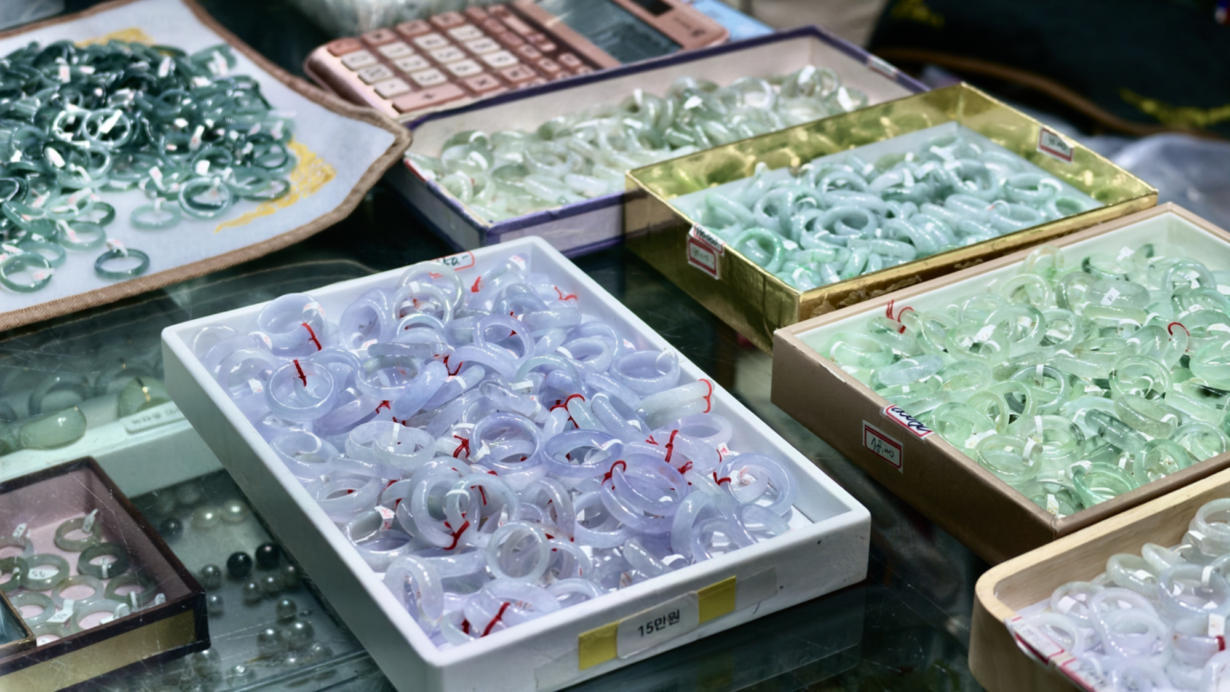
Young shoppers in Seoul are now making their way to Jongno, the city’s long-established jewelry district, to look for jade rings in thinner silhouettes, lighter colors, and more contemporary designs. Jongno has been a major jewelry hub since the 1930s, and the district’s jade stores have traditionally catered to an older customer base. The fact that younger Korean shoppers are now visiting these stores specifically for jade gives the trend a much more interesting context than a few green accessories appearing online.
The designs are helping, too. Slim rings and softer colors make jade considerably easier to work into a contemporary wardrobe, while prices at some specialist stores remain relatively accessible. Yeijak Jewelry, for example, currently offers slim jade rings in light green, white, blue, and other colors, alongside more traditional and elaborate pieces.
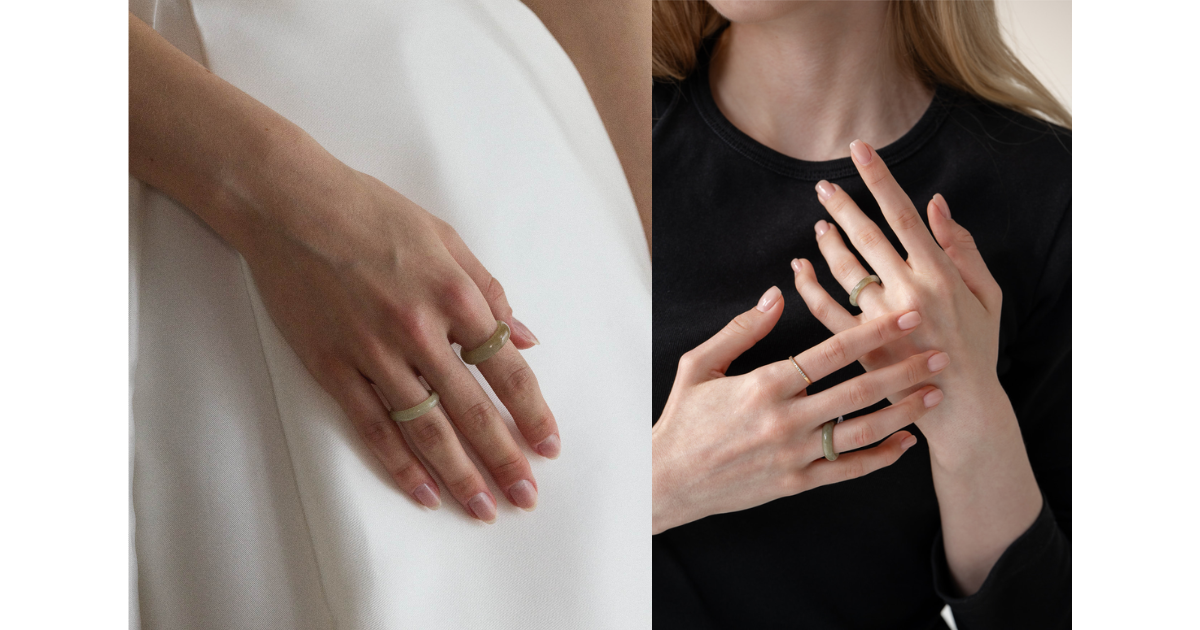
Image: Archive Scene, Yeijak Jewelry
The younger market is not rejecting the material’s history. They are making it easier to wear.
The appeal is partly that Korean consumers do not have to be introduced to jade from scratch. The material already carries memories of older relatives, traditional jewelry, Korean popular culture, and familiar retail districts such as Jongno. Younger consumers are simply encountering those associations through designs that feel much easier to wear now.
Fresh teal and green tones fit neatly into the current summer palette, while jade brings texture and a sense of familiarity that a standard mint accessory does not. It is a much richer reference for a brand to work with.
BTS’s V wearing jade rings at the group’s Arirang comeback concert in Gwanghwamun gave that reinterpretation another layer of visibility. The rings were supplied by Yeijak Jewelry, and the store later reported increased overseas orders and international visitors looking specifically for jade.
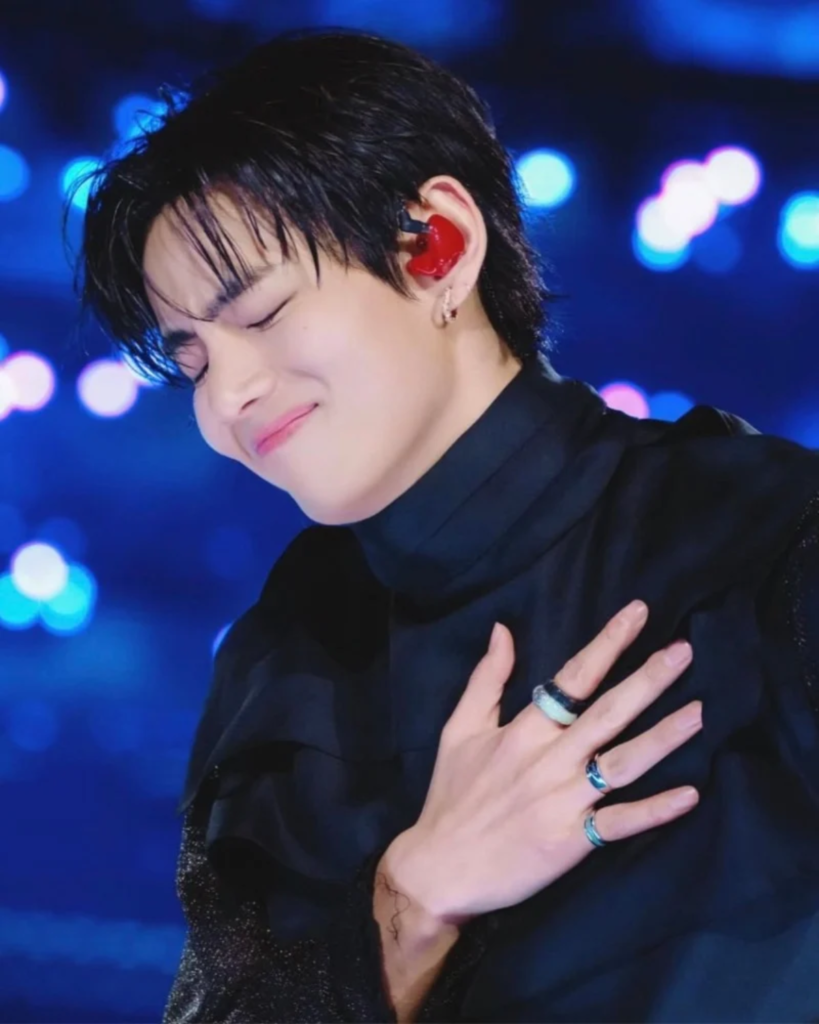
The important point is that celebrity exposure arrived after the material already had cultural familiarity and a growing younger audience. The celebrity moment made something that had been relatively easy to overlook much harder to miss.
That is often when brands start noticing that a niche behavior may have more room to grow.
Jade Is Starting to Enter Beauty
The more revealing part of the jade story may actually be happening outside jewelry.
Oksan100 (옥산백) is a relatively young Korean beauty and lifestyle brand built around white jade. The brand traces its current identity to the Oksan100 name adopted in 2024, following its earlier identity as Arollekt. Its product world now includes white jade soap, guasha tools, fragrance, and other objects built around the material.
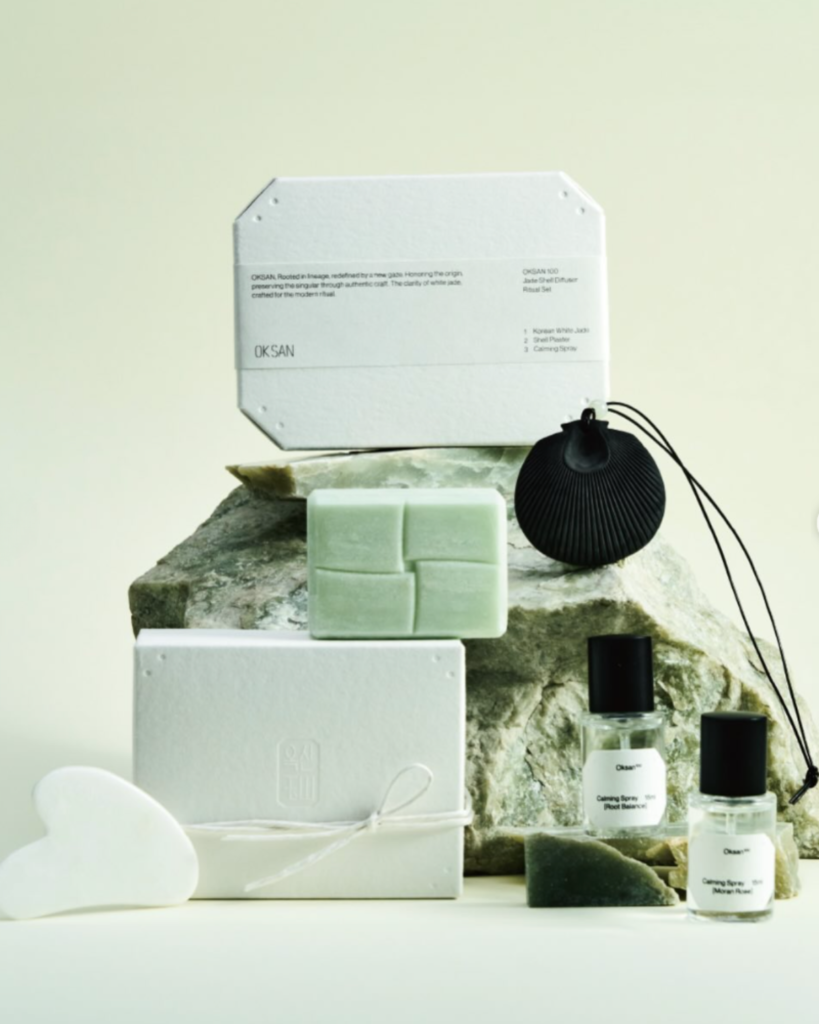
Image: Oksan100
Oksan100 is not treating jade as a pattern to place on a box or a visual cue to make a product look vaguely Korean. The material is helping define what the brand sells, how it talks about Korean aesthetics, and how it connects heritage with everyday rituals.
That distinction may sound small, but it changes the commercial opportunity. A traditional reference used for decoration can make a product feel Korean. A material that shapes the product world can give the brand an actual point of view.
White jade can carry associations of Korean culture while still working within beauty, ritual, tactility, calm, and craftsmanship. Oksan100 is a small brand, but that is precisely why it is useful as an early signal. Smaller companies can often build around an emerging idea long before larger brands decide there is enough demand to justify following it.
Whether Oksan100 itself becomes a major player is almost beside the point. The more revealing development is that a young Korean brand sees enough value in white jade to make it central to a contemporary beauty and lifestyle proposition.
Korean Heritage Is Becoming More Deliberate
Jade starts making even more sense when you look at the broader change happening in Korean branding. The country has always used its history, materials, food, architecture, and traditional aesthetics in products. What feels different now is how deliberately those references are being brought to the front of the brand rather than left quietly in the background.
CLIO’s collaboration with the Korea Heritage Service is a useful example. Its 2026 K-Royal Heritage Edition drew directly from Joseon royal objects and visual culture, translating references from royal lacquerware, embroidery, and ceremonial objects into contemporary makeup packaging and product design. The historical references were not simply there to make the collection look Korean. They were part of the product concept itself.
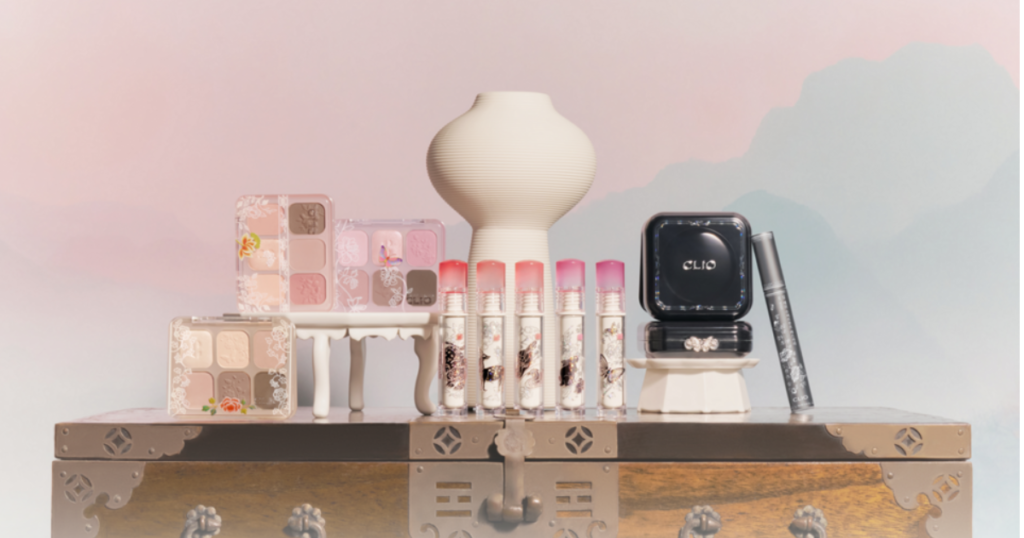
Image: Clio
More importantly, CLIO and the Korea Heritage Service had already collaborated in 2024 before returning to the idea in 2026. That kind of repetition is worth noticing. Once heritage starts generating another commercially viable collection, it becomes easier for brands to treat Korean cultural references as something they can build on rather than something they use once for a special occasion.
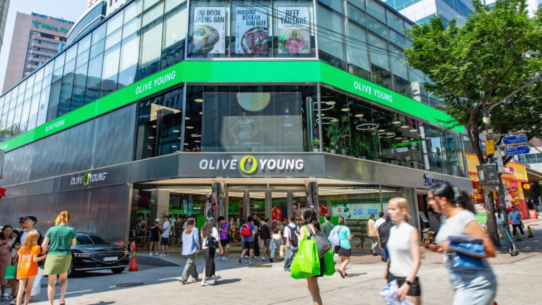
The same confidence is appearing in retail. Olive Young’s Gwangjang Market location was designed around a retro concept inspired by the atmosphere of 1960s Korea, combining a contemporary K-beauty store with the visual language of one of Seoul’s most recognizable traditional markets. The store was explicitly designed to turn Korean everyday culture into part of the shopping experience, rather than treating it as background decoration.
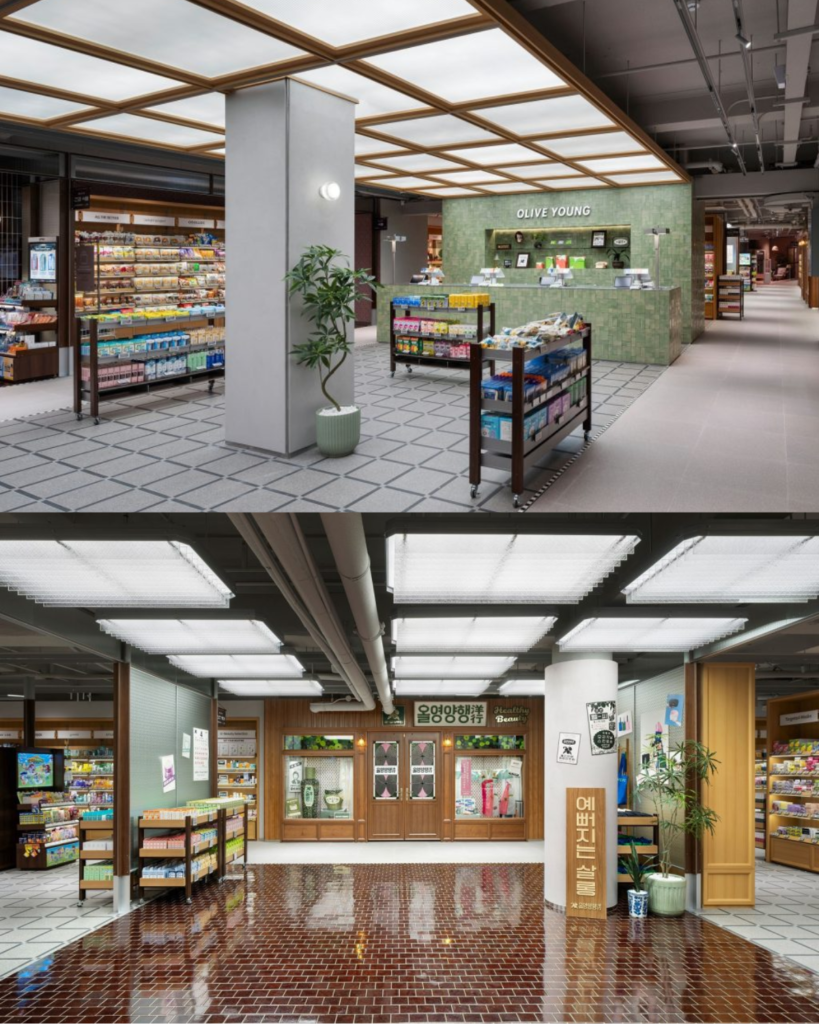
Image: CJ
That is a useful distinction. Korean heritage is becoming something brands can actively design around.
For years, “Korean” could function as a selling point by itself. Now the opportunity is becoming more specific. Brands can choose an actual Korean object, material, motif, place, craft, or historical reference and build a contemporary product around it.
Jade fits neatly into that direction because the material already has a Korean cultural history. The question is what Korean brands do with it now that consumers are increasingly willing to see that history as something stylish rather than old-fashioned.
The Korean Wave Has Changed What “Korean” Can Sell
The timing matters because the global audience has changed.
Ten years ago, a Korean brand often had to make itself understandable before it could be specific. Consumers might have known K-pop or Korean dramas without knowing much about the cultural references behind them. Being “Korean” was useful, but being too specifically Korean could create another problem. Would an international consumer understand it?
That barrier is much lower now. A global consumer who has spent years watching Korean entertainment, following K-pop, buying Korean beauty, eating Korean food, and increasingly exploring Korean fashion and lifestyle already has a much larger cultural frame of reference.
That gives Korean brands more room to stop translating everything.
BTS using Arirang as the title of a major comeback is one obvious example. KPop Demon Hunters brought Korean folklore and traditional visual references into a global entertainment property. The broader Korean Wave has reached a point where distinctly Korean references can be presented as the main attraction rather than something that needs to be softened for international audiences.
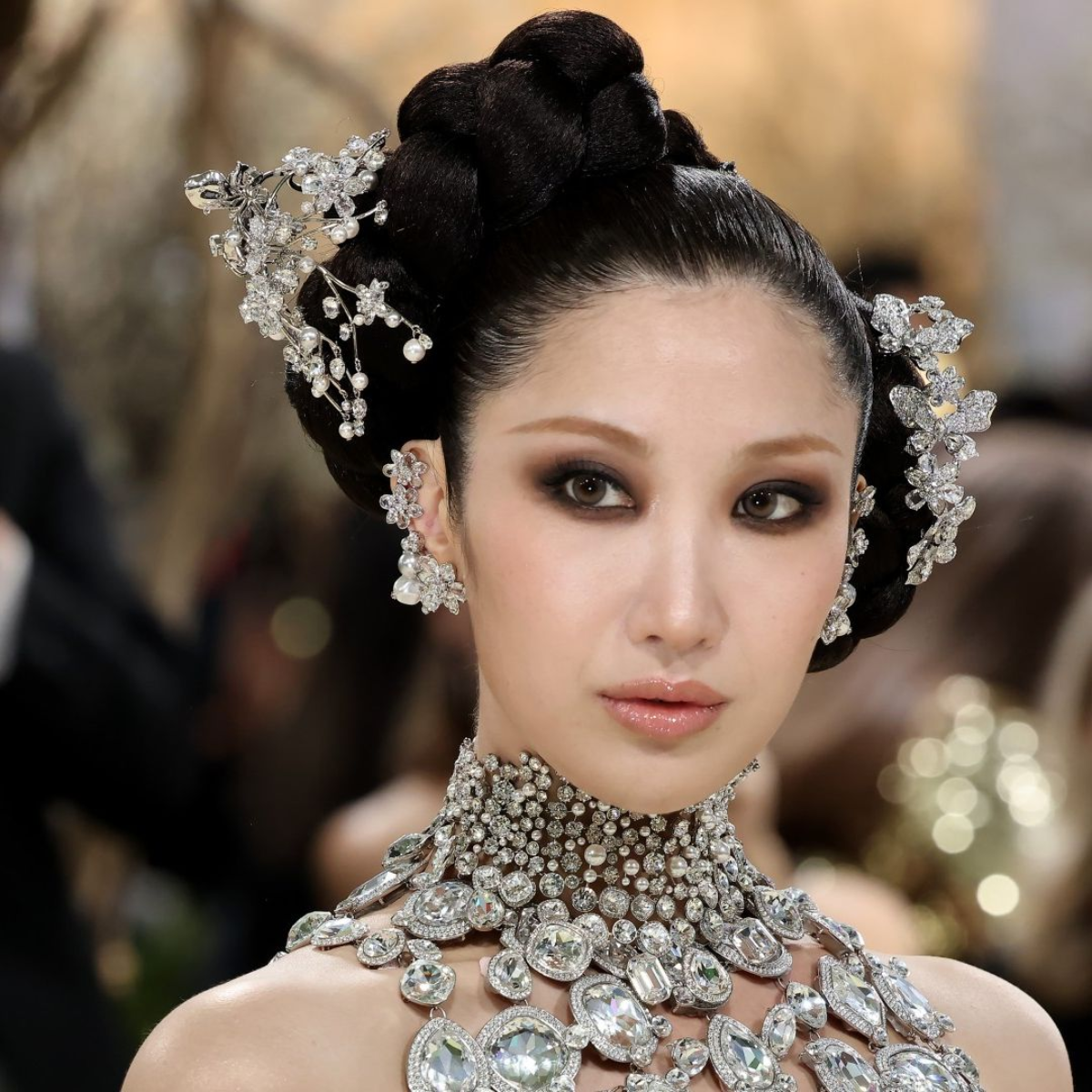
Image: Marie Claire
A global consumer does not need a detailed history lesson before finding a jade ring beautiful. But once they discover that the material has a particular place in Korean jewelry culture, that small piece of context can make the object more interesting rather than more confusing.
That is the advantage of specificity. “Korean-inspired” can mean almost anything. A material with an actual Korean history gives the consumer something concrete to discover.
That is why the jade story reaches beyond jewelry. It sits at the intersection of a current aesthetic trend, a familiar Korean material, and a global audience that is increasingly comfortable with the details of Korean culture.
From Korean Trend to Korean Brand
There is another piece of the Korean market worth keeping in view here. Korean consumers have become increasingly willing to choose domestic brands in categories that were once strongly associated with international names.
Fragrance is a good example. Korean consumers have not simply developed an interest in fragrance as a category. They have also helped build demand for domestic fragrance brands such as Tamburins and Granhand. Eyewear has experienced a similar change, with Korean brands building enough consumer loyalty to compete in a space that was once heavily shaped by international luxury and fashion names.
This is not exactly the same phenomenon as Korean heritage branding, but the two movements point in a similar direction. Korean consumers are not automatically treating international brands as the default choice anymore.
That creates more room for domestic brands to build identities around things that feel specifically Korean, whether that comes from a material, a craft, a place, a cultural reference, or simply a distinctly Korean point of view.
Korean jade could benefit from that environment. A consumer might first notice the material because it fits the current green color direction. Then they discover that younger Koreans are wearing it, that Jongno has specialist jade stores, that Korean celebrities are wearing it, and that Korean brands are beginning to build products around the material.
The path from trend to brand can happen surprisingly quickly. A color creates interest. A material gives that interest more depth. A Korean brand gives it somewhere to go.
That is where this becomes commercially relevant for global brands. The opportunity may not be to make a product that looks Korean. It may be to understand which Korean references consumers are beginning to seek out from Korean brands themselves.
Why Jade Is Worth Watching Before It Becomes Obvious
There is still a lot we do not know about where Korean jade is going. That is exactly why it is interesting.
The current signals are coming from several directions at once. Younger Korean shoppers are showing up in Jongno’s jade stores, where retailers are adapting traditional jade jewelry with slimmer silhouettes, new colors, and more contemporary designs. Specialist retailers such as Yeijak Jewelry now carry an unusually broad range of jade colors and styles.
The color environment is also doing its own work. Green has become increasingly visible in Korean summer fashion, giving jade a natural entry point into current styling. But unlike a seasonal color alone, jade comes with a material, a history, and a recognizable place in Korean culture.
Then there is the brand behavior. Oksan100 is already building a beauty and lifestyle proposition around white jade, while brands such as CLIO are repeatedly turning Korean heritage into contemporary product concepts. Retailers are also becoming more deliberate about bringing Korean cultural references into physical spaces, as Olive Young’s Gwangjang Market location demonstrates.
None of this means jade is about to appear everywhere next month. It does suggest that the material has moved beyond being a purely nostalgic object. It is being reconsidered by younger consumers, made more contemporary by brands, and placed inside a much larger conversation about what Korean culture can look like when it is designed for the present.
And that is where the forecast becomes more interesting.
If jade continues gaining attention, the next signal may not be another jade ring. It could be jade-inspired beauty, packaging, fragrance, wellness objects, interiors, lifestyle goods, or collaborations that reinterpret other Korean materials and traditions in similarly contemporary ways.
We have already seen Korean brands become more comfortable making heritage visible. The next step is seeing how many different parts of that heritage can become commercially desirable.
Jade may be one of the first signals. It probably will not be the last.
The Bigger Signal Is What Comes After Jade
If jade becomes a major Korean trend, the obvious outcome will be more jade. More rings, more accessories, more green products, and eventually plenty of brands claiming they saw it coming.
The more valuable signal is what Korean brands and consumers do with the cultural references that have not yet become obvious.
Korean consumers are becoming more comfortable revisiting things that once felt too traditional, too old-fashioned, or simply not fashionable enough for contemporary life. Saunas are being reframed through premium wellness. Hanbok is being reinterpreted through contemporary fashion. Traditional Korean spaces are becoming destinations. Heritage is increasingly appearing in beauty, retail, entertainment, and lifestyle without needing to look like a museum exhibit.
Jade fits neatly into that broader movement because it shows how quickly something familiar can acquire a new context. The material was never new to Korea. The way younger consumers are looking at it is.
That distinction is important for anyone trying to understand where the next Korean consumer signal might come from.
The next opportunity may not arrive as another obvious K-beauty launch or celebrity collaboration. It may already exist in Korean culture, sitting quietly in plain sight until a new color trend, consumer behavior, brand, or cultural moment gives it a reason to become relevant again.
For global brands, that is the part worth learning from. Korea is not simply producing more trends for the rest of the world to copy. It is increasingly turning its own cultural vocabulary into new products, new brands, and new commercial opportunities.
Jade is one early example of what that can look like.
The more interesting question is what else is waiting behind it.
Sources
- The Korea Herald — Gen Z’s renewed interest in Korean jade and younger shoppers visiting Jongno jade stores: https://v.daum.net/v/20260710090230840?f=p&
- Korea JoongAng Daily — younger Korean consumers returning to jade and the changing customer base in Jongno: https://www.koreajoongangdaily.com/lifestyle/grandmas-jade-jewelry-is-back-in-vogue/12754316
- Yeijak Jewelry — brand history, contemporary jade positioning, product range, and Jongno location: https://en.yeijak.com/
- Oksan100 — official brand positioning and its use of white jade across contemporary beauty and lifestyle products: https://www.oksan.shop/
- CJ Olive Young — official announcement and concept details for the Gwangjang Market location: https://corp.oliveyoung.com/ko/news/132?category=&pg=2&
- Sulwhasoo / LEJE — official information on the K-heritage limited-edition collaboration: https://www.sulwhasoo.com/about-sulwhasoo/brand-news/archive/contents/2026/perfecting-cushion-limited-edition.html